

Hey there! As a supplier of Aluminium Solid Round Bars, I've had my fair share of chats with customers about the differences between these bars and other types of aluminium bars. So, I thought I'd share some insights in this blog post.
Appearance and Shape
First off, let's talk about how they look. Aluminium Solid Round Bars, as the name suggests, are round. They have a smooth, circular cross - section. It's like a perfect cylinder made of aluminium. You can find them in various diameters, from small ones that are just a few millimeters thick to large ones that can be several inches across.
On the other hand, other aluminium bars come in different shapes. For example, there are flat bars, which are, well, flat. They're more like rectangular strips. Then there are square bars, with a square cross - section. These different shapes give them different visual aesthetics and are suitable for different applications.
The round shape of Aluminium Solid Round Bars makes them great for applications where a smooth, circular form is needed. Like in the manufacturing of shafts, where the round shape allows for easy rotation. You can check out our Aluminium Solid Round Bar for more details on the different sizes and finishes we offer.
Strength and Durability
When it comes to strength, Aluminium Solid Round Bars have some unique properties. The solid construction gives them a good amount of strength, especially when it comes to withstanding axial loads. Since the material is evenly distributed around the center, they can handle forces that act along the length of the bar quite well.
Other aluminium bars, like flat bars, may have different strength characteristics. Flat bars are often better at withstanding bending forces in one direction. Square bars also have their own strength profiles. They can be more stable in some applications where a more rigid structure is required.
In terms of durability, all aluminium bars are corrosion - resistant to a certain extent. Aluminium forms a natural oxide layer on its surface, which protects it from rust and other forms of corrosion. However, the round shape of the solid round bars can sometimes be more resistant to damage from impacts because there are no sharp edges that can be easily chipped or dented.
Manufacturing Process
The manufacturing process for Aluminium Solid Round Bars is a bit different from other bars. They are usually made through extrusion. In this process, a billet of aluminium is heated and then forced through a circular die to create the round shape. This results in a bar with a consistent cross - section and good surface finish.
Flat bars and square bars can also be made through extrusion, but they may also be produced by other methods like rolling. Rolling involves passing the aluminium through a series of rollers to shape it into the desired form. The choice of manufacturing process can affect the properties of the bars, such as their grain structure and mechanical properties.
Applications
Aluminium Solid Round Bars have a wide range of applications. In the automotive industry, they are used for making parts like axles and shafts. In the construction industry, they can be used as support columns or for decorative purposes. Their smooth, round shape makes them ideal for applications where a clean, modern look is desired.
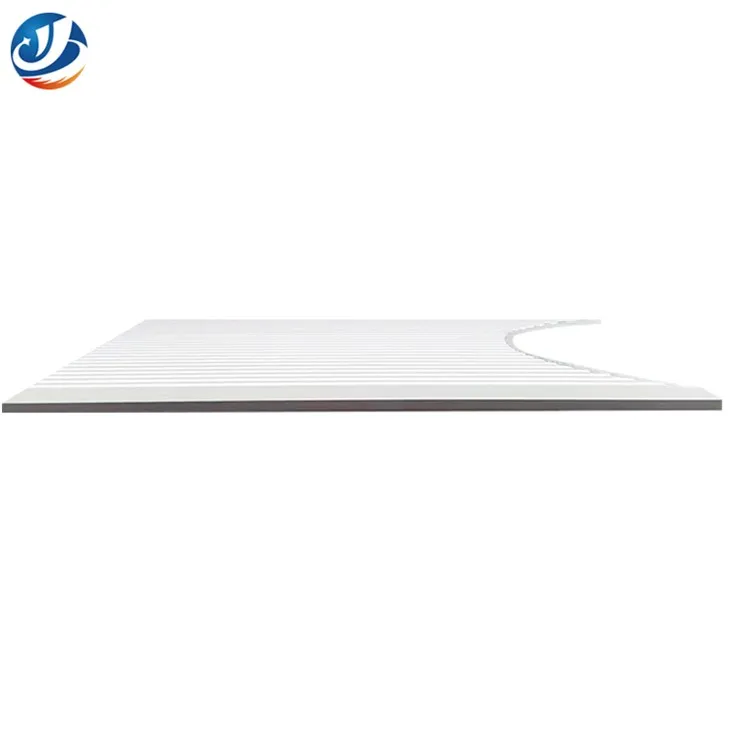
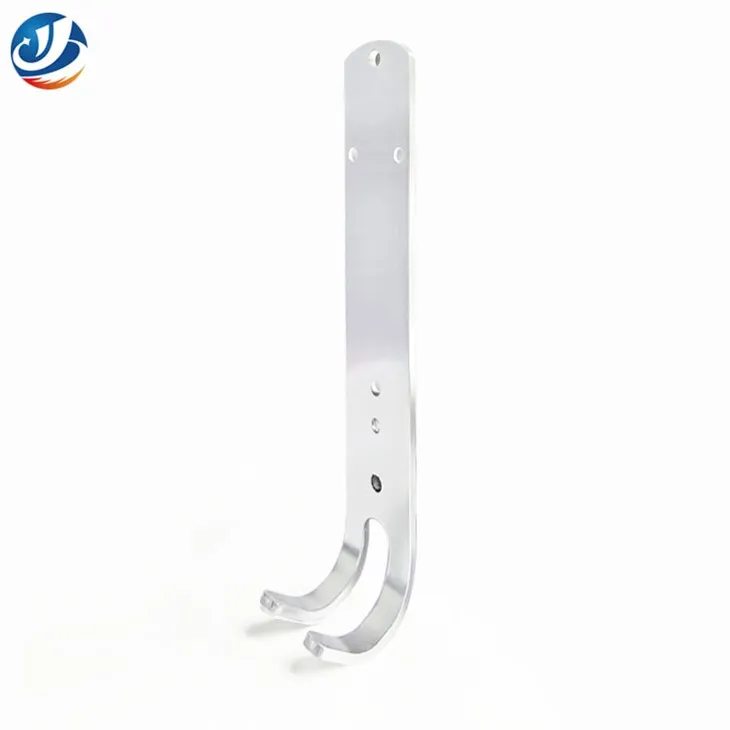
Other aluminium bars are used in different applications. For example, Industrial Aluminum Profile Baffle is often used in industrial settings to separate different areas or to control the flow of air or liquids. Flat bars are commonly used in the construction of frames and structures, where their flat surface can be easily attached to other components.
Multi - layer Aluminium Storage Racks, like the ones you can find at Multi - Layer Aluminum Storage Rack, are made using a combination of different aluminium bars. The square and flat bars are used to create the framework, while the round bars may be used for some of the support elements.
Cost
Cost is always an important factor when it comes to choosing the right aluminium bar. The cost of Aluminium Solid Round Bars can vary depending on the diameter, length, and the quality of the aluminium used. Generally, larger diameters and higher - quality aluminium will cost more.
Other aluminium bars also have their own cost structures. Flat bars and square bars may be less expensive in some cases, especially if they are made from a lower - grade aluminium or if they are produced in large quantities. However, the cost also depends on the manufacturing process and the specific requirements of the application.
Machinability
Aluminium Solid Round Bars are relatively easy to machine. Their round shape makes it easy to drill, turn, and mill them. You can create threads on them for use in applications where they need to be fastened to other components.
Other aluminium bars also have good machinability, but the process may be a bit different. For example, flat bars may be easier to cut and shape into different forms, while square bars may require more precision when drilling holes or making cuts.
Conclusion
In conclusion, Aluminium Solid Round Bars have their own unique characteristics that set them apart from other aluminium bars. Their round shape, strength, and manufacturing process make them suitable for a variety of applications. Whether you're in the automotive, construction, or industrial sectors, these bars can offer a great solution.
If you're interested in learning more about our Aluminium Solid Round Bars or have any questions about how they compare to other aluminium bars, feel free to reach out. We're here to help you find the right product for your needs. Contact us to start a conversation about your procurement needs and let's see how we can work together.
References
- "Aluminium Extrusion Handbook" by John A. Schey
- "Materials Science and Engineering: An Introduction" by William D. Callister, Jr. and David G. Rethwisch


