

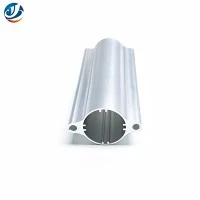


Aluminium Trim Profiles

Aluminium Trim Profiles Manufacturer & Wholesale Supplier
YIDA Aluminum Technology Co. Ltd. specializes in producing aluminum tile trims in China and has nearly 20 years of industry experience. Our company covers an area of 10,000㎡, integrating R&D, production, sales, and other services into one system. We have four extrusion production lines and independent facilities for extrusion, oxidation, CNC precision processing, punching, bru, polishing, sandblasting, and other processes, enabling us to provide customers with one-stop solutions. We are also constructing a new factory that will double our floor space, production capacity, and processing capabilities, allowing us to offer our customers a wider range of products and more choices.
Durable Quality
Our tile trims are made of high-quality aluminum, and each production process undergoes strict quality control to ensure long-term durability.
OEM Customized Solutions
We offer OEM trims to meet your unique needs, including custom colors, sizes and finishes.
Service
We provide anti-dumping duty solutions and a one-stop production, sales and after-sales services to our clients.

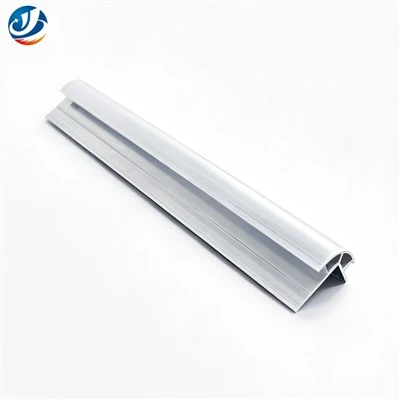

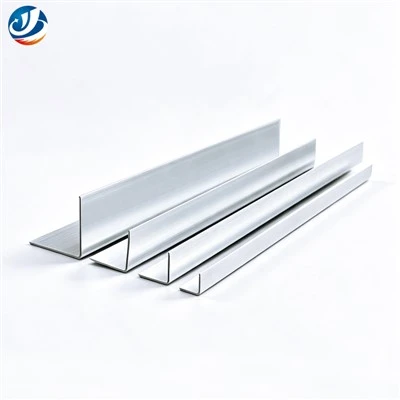

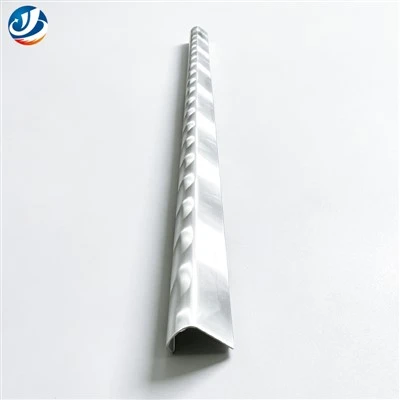


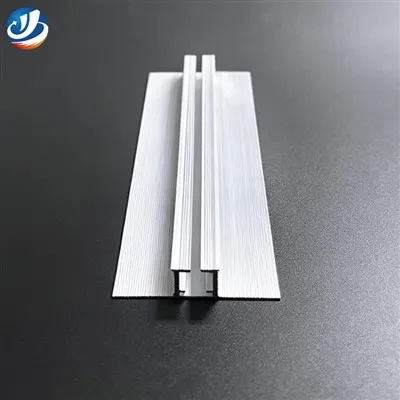


Advantages of Aluminium Trim Profiles
Enhancing structural integrity
One of the key attributes of aluminium trim profiles is their ability to enhance the structural integrity of a building. These profiles provide excellent support and reinforcement, ensuring that the building withstands various environmental and structural forces. Engineered with precision and expertise, aluminium trim profiles distributed by exceptional load-bearing capacity, making them ideal for applications that require additional strength and stability.
Durability and longevity
Aluminium trim profiles are prized for their remarkable durability and longevity, making them a preferred choice for architects and construction professionals. When compared to traditional building materials, aluminium exhibits superior resistance against corrosion, rust, and other forms of degradation. Furthermore, these profiles retain their strength and shape over time, even in harsh weather conditions.
Versatility in design
Apart from their functional attributes, aluminium trim profiles offer a wide range of design possibilities. Architects and designers can unleash their creativity and experiment with various shapes, sizes, and finishes to achieve unique aesthetics for their projects.
Enhancing aesthetics
Aluminium trim profiles serve as a defining element in enhancing the overall aesthetics of a building. These profiles can be used for decorative purposes, adding visual appeal to exteriors and interiors alike. Whether it's highlighting key architectural features or emphasizing clean lines and sleek designs, aluminium trim profiles are tailored to meet the demands of modern architectural trends, ensuring a harmonious blend of aesthetics and functionality.
Why Choose Us
Our factory
Yida aluminum has 3 advanced extrusion lines, capacity namely 2000 tons, 800 tons and 700 tons. The factory equipped with 25 tons of punching production lines, 5 cnc engraving machines, 50 modern oxidation tanks.
Our product
Aluminum extruded profiles, aluminum tubes, frame-like structural aluminum profiles, aluminum high-precision cnc machining profiles and aluminium trim profiles. The profiles produced by our company are widely used in all ranges such as industry, construction and home appliances.
Production market
The company has set up a marketing branch in hongkong, and established sales networks in germany, spain, russia and other countries and regions, and its export volume ranks among the top among many aluminum manufacturing companies.
Our certifications
Our factory is an aluminum industry base integrating the most advanced production and processing equipment and functions. And we certificated of the iso9001:2015 factory in april 2019.
Types of Aluminium Trim Profiles


J trim
J trim is applied along the edges of aluminum siding around windows and doors, as well as at the top of the siding to secure it. Proper installation of j trim is essential for sealing the project, safeguarding it from leaks and preventing moisture buildup.
U trim
U channel trim has been used for many years as a method for finishing edges and protection against the roughness of unfinished edges. It is used as a method of adding an aesthetic appeal to a project and reducing fabrication costs. The versatility of u trim is found in its ability to adapt to any type of material such as woven wire mesh and glass and wood panels.
Z channel trim
Similar to j channels, z channels are utilized in metal roofing systems to receive panels, ridge caps, and headwall flashing. The primary advantage of z channel aluminum trim is its design, which effectively prevents leaks. Z channel trim can be customized to various profiles, angles, sizes, and widths to meet specific needs.
H channel trim
H channel aluminum trim is comparable to c channel trim but features the same inside radius corners. It is well-suited for applications that demand strength and stability. H channel aluminum trim is commonly used for railings, decorative accents, and as framing for doors and windows.
Angle l
Aluminum angles are available in a wide range of sizes to suit various applications. Despite being lightweight, aluminum trim angles offer remarkable strength, durability, and resilience. They are commonly used for constructing frames, braces, and for edging tables and countertops.
T edging
T aluminum trim is valuable in architectural design and millwork. It finds application in store fixtures, displays, chairs, elevators, and as a finishing touch for woodworking projects. Its strength and durability make it particularly effective as tile edging, preventing chipping and serving as a transition for tile floors. T aluminum trim is available in various styles, including grooved, smooth, or fluted, to suit renovation and retrofitting needs.
F channel
Lightweight and thin f channel aluminum trim is commonly used to secure a soffit by slotting it into the groove of the f channel.
Hat channels
Resembling the shape of a top hat, hat channel aluminum trim is widely utilized for various applications. Its unique shape makes it an excellent choice as a decorative divider between wall panels, sheetrock, and tile. Hat channel aluminum trim serves as a substitute for wood and steel, offering comparable strength and durability while providing enhanced versatility and an attractive finish. It also acts as a base for water diversion and contributes to thermal efficiency in heating and cooling systems, as well as to the overall structural appearance.
Round aluminum channel trim
Round aluminum channel trim, similar in appearance to c channel but with thicker walls, resembles an aluminum rod. While it has a range of applications, its primary use is as a housing for led light strips.
Trim coil
Aluminum trim coil is a thin sheet of aluminum coated with polyester, providing protection against heat and moisture damage. Made from 0.019 gauge aluminum, it offers the right balance of rigidity and flexibility, making it easy to shape and install.
Billet
The extrusion of aluminum trim starts with a billet, which is an intermediate casting intended for subsequent processing. Billets can be made from different metals, with aluminum being the most frequently used. These billets are cast from ingots, and the aluminum alloys commonly employed for this purpose are 6061 and 6053.
Die
A critical element in aluminum trim production is the profile or die shape, crafted from precision-machined steel. While standard dies for aluminum trim are typically available from manufacturers' stock, custom and unique profiles can be designed by engineers as needed.
Heating
Before extrusion, the billet is preheated to enhance its pliability and malleability. This preparation involves heating the billet to 800°f (426°c). The heating process makes the billet softer and more flexible, though it does not melt. Essentially, this step ensures the billet can be easily shaped and formed.
Cradle
Once the billet is prepped, it is placed into a cradle that secures it for extrusion. The cradle ensures the billet remains stable before it is pushed into the extrusion press by the ram. A dummy block, attached to the ram, presses against the billet to prevent any of the heated metal from leaking backward during the process.
Extrusion
As the ram moves, it applies pressure to the billet, compressing it against the die, causing it to elongate and expand until it presses against the press walls. To enhance the durability and lifespan of the die, liquid nitrogen is used to cool the billet, preventing the formation of oxides on the extruded shape.


Temperature check
As the aluminum trim exits the die, its temperature is taken to assist in maintaining the speed of the extrusion. Each aluminum alloy, 6063, 6463, 6063a, 6101, 6005a, and 6061, has a different exit temperature that has to be maintained to ensure the quality of the final product.
Runout table
As the extrusion emerges from the die, it is directed onto a runout table equipped with a puller to guide it along. Fans positioned along the length of the table provide cooling to the extrusion as it moves. Once the extrusion reaches the desired length, it is either cut or sheared and then moved to the cooling table.
Stretching
After the extrusion has cooled adequately, it is transferred to the stretcher. This process straightens the extrusion and enhances its hardness. Stretching also helps relieve internal stresses caused by the high pressure and temperature during extrusion. It’s normal for there to be a slight variation in the extrusion’s dimensions as a result of this process.
Final cutting and heat treatment
Once the parts have been properly stretched and treated, they are cut to the specified lengths for shipping. To further enhance their properties, the cut pieces are subjected to an aging oven, a recommended process for aluminum alloy 6061. Additionally, for specific applications, the finished aluminum trim may receive additional treatments to improve its appearance and provide extra protection.
Impact extrusion
Impact extrusion is like cold forming where aluminum is extruded by impacting it with a die. Parts are formed at high speed by the force of a few short strokes. Unlike standard extrusion that is performed horizontally using a hydraulic press, impact extrusion is performed vertically to create a single part.
Assess spatial requirements and environmental conditions
Identify the areas where the tile trim will be installed, considering the specific requirements of the environment, such as humidity and frequency of water exposure. For instance, in bathrooms or kitchens, the trim needs to have good waterproof and moisture-resistant properties.
Measure the thickness and length of the tiles
Use a tape measure to gauge the thickness of the tiles and the length of the edges to be covered, ensuring that the purchased tile trim is suitable in size for the tile edges, providing adequate coverage and fit.
Select the appropriate trim type and material
Choose the tile trim type based on the color of the tiles and the interior decoration style, while also considering the surface treatment of the aluminum (such as anodizing, painting, brushing, etc.) to meet aesthetic and durability requirements.
Purchase and inspect samples
If possible, obtain trim samples to compare them with the tiles on-site, ensuring color and style compatibility. Inspect the quality and craftsmanship of the samples to ensure they are free of defects.
Seek professional advice
Before making a purchasing decision, it’s advisable to consult with designers or installation experts, especially for complex spaces or unique design requirements. Professional advice can help make more suitable choices.
How to Install Aluminium Trim Profiles?
Preliminary
Before beginning the installation, ensure that the installation surface is clean, flat, and free of dust. Any impurities can affect the adhesion quality of the aluminum tile trim. Prepare the necessary tools, such as measuring tools, marking pens, a caulking gun, a saw, or a cutting machine (for adjusting trim length), as well as suitable adhesive or double-sided tape.
Measuring and cutting
Measure the installation area again to ensure that the length of the aluminum tile trim matches the installation position perfectly. As mentioned earlier, use the appropriate tools to cut the aluminum trim, ensuring that each piece of trim fits precisely into its position.
Application adhesives
Apply a uniform coat of specialized aluminum adhesive or use high-quality double-sided tape on the back of the trim. Ensure that the adhesive is evenly distributed to provide maximum adhesion strength. For situations requiring additional fastening strength, consider using small screws or nails at the fixation points of the trim to enhance the securing effect.
Fixed aluminum tile trim
Gently press the trim onto the predetermined position, ensuring that it is parallel and aligned with the edge of the tile. Use a rubber mallet to lightly tap the trim, aiding in better securing and adhering it to the substrate.
Cleaning and inspection
After the installation is complete, use a damp cloth to clean off any excess adhesive to prevent it from hardening and becoming difficult to remove. Check the entire installation line to ensure it is straight and without gaps, ensuring that each part is firmly adhered to the predetermined position.
Drying
Depending on the type of adhesive used, it may be necessary to allow the installation area of the aluminum tile trim to dry for a period of time. Avoid touching or applying pressure to the trim during this time to ensure optimal bonding effectiveness.
Gather supplies: Start by gathering the necessary cleaning supplies. You will need a mild detergent, warm water, a soft cloth or sponge, and a bucket. Avoid using abrasive materials, as they can damage the finish.
Preparation: Begin by dusting or wiping off any loose dirt or debris from the trim. This can be done using a soft, dry cloth or a brush. Removing surface dirt first will prevent it from scratching the trim during the cleaning process.
Dilute detergent: In the bucket, mix a small amount of mild detergent with warm water. Ensure the detergent is specifically formulated for general cleaning.
Application: Dip the soft cloth or sponge into the soapy water mixture, and gently wipe down the aluminum tile trim. Pay extra attention to areas with visible stains or grime. Avoid using excessive force, as this can leave marks on the trim.
Rinse: After wiping down the trim, rinse the cloth or sponge thoroughly to remove any soap residue. Then, dampen the cloth or sponge with clean water and wipe the trim to remove any soap residue.
Dry thoroughly: Use a clean, dry cloth to wipe the aluminum tile trim once more to ensure it is completely dry. This step is crucial as water spots can form if the trim is left wet.
Additional care: For stubborn stains or marks, consider using a specialized aluminum cleaner. Be sure to follow the manufacturer's instructions when using such products.
Regular maintenance: To keep your aluminum tile trim looking its best, it's advisable to clean it regularly, especially in areas with high traffic or exposure to moisture. Routine cleaning will help prevent the buildup of dirt and stains.
Avoid harsh chemicals: Refrain from using abrasive or harsh chemicals, as they can damage the finish of the trim. This includes abrasive scrubbers and acidic cleaning agents.
By following these steps, you can maintain the beauty and functionality of your aluminum tile trim. Regular, gentle cleaning is key to ensuring that this architectural element continues to enhance the aesthetics of your space.
Our Factory

YIDA Aluminum Technology Co., Ltd. was formerly a distributor of aluminum products. In view of the market demand and R&D of new products, the company established a small factory with only 10 people in 2005.With the continuous innovation of R&D technology and expansion of production, it has become a high-tech enterprise integrating research, design, production, sales of aluminum construction profiles and industrial aluminum profiles. The company covers an area of 10,000 square meters and has extrusion workshop, deep processing workshop, oxidation workshop and packaging workshop. It is located in ZHAOQING high-tech area.


Certifications

Video