

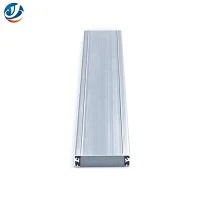
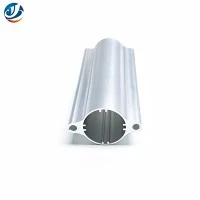


Extruded Aluminum Enclosure
YIDA Aluminum Technology Co., Ltd. was formerly a distributor of aluminum products. In view of the market demand and R&D of new products, the company established a small factory with only 10 people in 2005.With the continuous innovation of R&D technology and expansion of production, it has become a high-tech enterprise integrating research, design, production, sales of aluminum construction profiles and industrial aluminum profiles. The company covers an area of 10,000 square meters and has extrusion workshop, deep processing workshop, oxidation workshop and packaging workshop. It is located in ZHAOQING high-tech area.
Why Choose Us?
One-stop solution
With the continuous innovation of r&d technology and expansion of production, it has become a high-tech enterprise integrating research, design, production, sales of aluminum construction profiles and industrial aluminum profiles.
Global shipping
The company has a marketing network all over the country and cooperates with partners to develop the market.
Advanced equipment
We has 3 advanced extrusion lines, he factory equipped with 25 tons of punching production lines, 5 CNC engraving machines, 50 modern oxidation tanks.
Quality control
Our factory is an aluminum industry base integrating the most advanced production and processing equipment and functions. And we certificated of the iso9001:2015 factory in april 2019.
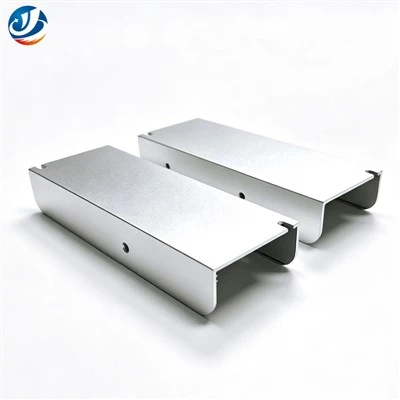


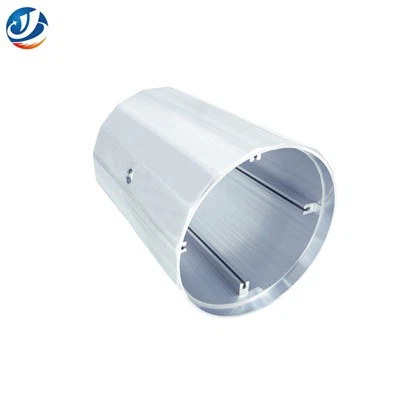


Extrusion is when the aluminum is forced through a shaped die to produce a continuous profile. Anextruded aluminum enclosure is characterized by its unique straight shape with uniform cross-sections.
This specific manufacturing method allows for cost-efficient production of customized lengths, making it a perfect pick for several applications requiring specific dimensions. The extruded enclosure is valued because of its versatility, ease of customization, and thermal conductivity.
Benefits of Extruded Aluminum Enclosure
Excellent for electronics
Due to its exceptional electrical and shielding properties, aluminum is widely used in the production of process enclosures meant to house or protect electronic components. Its versatility and durability make it a top choice in the lean manufacturing industry. Aluminum is a highly conductive metal with the highest electrical conductivity-to-weight ratio among all metals. It is an ideal material for enclosures as it provides excellent rfi / emi shielding and effectively controls esd (electrostatic discharge). Additionally, aluminum is a great reflector of externally generated interference, particularly electromagnetic wavelengths of radio and radar.
Weight & strength
Aluminum is a popular choice for constructing enclosures due to its high strength-to-weight ratio. This means that aluminum enclosures are not only lightweight but also strong. Compared to other materials used in enclosure construction, aluminum offers better fracture toughness, making it resistant to impacts, mechanical breakage, and propagation of fractures. Additionally, aluminum does not easily stress, tear, or crack.
Resistance to corrosion
Corrosion is a real issue in the world of manufacturing. Maybe that’s why so many experts choose aluminum process enclosures over alternative options because it’s naturally resistant to corrosive substances like salt water. Aluminum is actually resistant to several substances that cause weathering and can even withstand long-term exposure to uv rays.
Resistance to extreme temperature fluctuations
Aluminum is a versatile and reliable material that maintains consistent characteristics over a wide range of temperatures. It is not only strong and durable but also has a low coefficient of thermal expansion, which enables it to withstand higher temperatures without distortion. In cold weather, aluminum enclosures do not become brittle or fragile; on the contrary, their tensile strength increases without losing ductility. These features make aluminum an excellent choice in lean manufacturing.
High safety
Aluminum is a highly versatile material that is non-toxic, odorless, tasteless, and non-absorbing. It is also non-sparking, non-magnetic, and non-flammable, making it ideal for use in a variety of specialized environments. For example, aluminum enclosures can be used in a variety of harsh and even sensitive environments, from manufacturing plants to sensitive areas like food prep locations with high sanitary standards. Additionally, aluminum is fully recyclable, which makes it an environmentally-friendly choice for many industries.
Heat dissipation properties
Aluminum is a popular choice for enclosures due to its superior thermal conductivity. It effectively and efficiently dissipates heat away from electronics and other equipment. Additionally, aluminum boasts a high reflectance to incoming radiated heat, such as sunlight, with a reflectivity of over 80%.
Types of Extruded Aluminum Enclosure

Aluminum extrusion shell profiles
Aluminum extrusion shell profiles form half an enclosure and when flipped 180° mates with itself to form a rectangular enclosure. The full enclosure is held together with the front and rear face plates that can be screwed to the extrusions through self-tapping screws at the corners. The shell profiles are available in 2 sizes that mate with themselves as well as with each other to form 3 different widths of cross section enclosures. The length of these 3 different cross section enclosures can be arbitrarily selected - up to 3m long. These shell profiles have built in card guides which are designed to hold eurocards which are 100mm in height.

Aluminum extrusion side profiles
Aluminum extrusion side profiles form the 2 facing sides of the enclosure and are connected with aluminum panels of any size needed for the enclosure. The side profile enclosures are available in 2 different sizes. The length and width of enclosures made with these profiles can be arbitrarily selected, up to a length of 3m. The built in card guide can be used to hold standard .062" Thick pcb's.

Aluminum extrusion corner profiles
Aluminum extrusion corner profiles form the corners of the enclosure. Thus the length, width and height of the enclosure can be arbitrarily specified. The length is determined by the length of the corner profile. The width and height can be arbitrarily selected by choosing the dimensions of the aluminum sheet metal sides.
Aerospace components
One of the most common applications for aluminum enclosures is protecting aerospace components from harsh environmental conditions. In the aerospace industry, aluminum enclosures are often used to protect instrumentation, avionics, and communication systems required for safe travel.
Using aluminum enclosures over other protective materials is vital for the aerospace industry because aluminum provides a lightweight solution, helping reduce the aircraft’s overall weight and promoting greater fuel efficiency.
Military and defense
The numerous benefits of aluminum enclosures make this solution essential for the military and defense industry. Aluminum enclosures serve various purposes, such as protecting electronics and communication equipment vital for efficient commands.
Aluminum enclosures are also used for military aircraft and ground vehicles to protect electronic control systems and critical equipment to keep operations running. Because aluminum enclosures are durable and corrosion-resistant, they protect equipment in dangerous environments.
Aluminum enclosures also have naval applications that make them necessary in the military industry. These enclosures protect electronic systems in naval vessels, like navigation equipment, to prevent exposure to external elements. The enclosures are lightweight, providing portability for military equipment.
Chemical processing plants
Aluminum enclosures are highly useful in environments like chemical processing plants because of their durability and corrosion resistance. Chemical processing plants are home to several corrosive elements that can damage the integrity of electronic components, making aluminum enclosures essential to protect equipment from chemicals and corrosive atmospheres.
In chemical processing plants, aluminum enclosures are often used to protect electrical panels, control units, and junction boxes, ensuring systems run smoothly and safely throughout the plant. The aluminum’s durability makes it suitable to withstand harsh conditions long-term.
Telecommunications
Aluminum enclosures are widely used in the telecommunications realm, providing a level of security required to protect electronic equipment from damage.
Within this realm, aluminum enclosures protect networking equipment and communication devices for in-house environments and outdoor applications, protecting cables and other equipment with an unmatched level of durability.
How to Maintain Extruded Aluminum Enclosure
Regular inspection:
It is essential to thoroughly examine your aluminum areas before starting the cleaning system. Look out for signs of crumbling, like free panels, rust collections, or openings in the screen network. Rapidly settling these issues might keep your walled-in areas from deteriorating and increase their life span.
Gentle cleaning solutions:
While cleaning aluminum enclosures, utilize delicate, non-grating cleaning specialists to forestall surface harm. Warm water and a gentle dish cleanser can eliminate coarseness, grime, and bug buildup.
Delicate brush or fabric:
For constant messes or trash gatherings, use a microfiber fabric or a delicately smeared brush to scour the distressed regions tenderly. Steel fleece and rough scrubbers should not be utilized on aluminum surfaces since they might cause scratches and harm the material's uprightness. Stop applying excessive strain and abstain from tearing or causing harm, especially to the screen panels.
Rinse thoroughly:
Rinse the enclosures well with clear water after cleaning to eliminate any cleanser buildup. A gentle shower spout hose ensures uniform inclusion and forestalls water collection in specific districts.
Dry completely:
After cleaning, give the aluminum enclosures sufficient opportunity to dry before or after using them. To prevent water messes or streaks from appearing, use a delicate, spongy material or let them air dry. Avoid using harsh towels or wipes that could scratch the surface.
Grease up moving parts:
To ensure smooth operation, grease the moving pieces of any sliding entryways or depend on your aluminum enclosures using oil with a silicone base. Forestalling contact and reducing mileage on the instruments builds their helpful life.
Occasional support:
Make it a practice to occasionally keep up with your aluminum enclosures to guarantee ideal execution lasting through the year. Search for any rust or consumption on the enclosures areas or different indications of decay, and make a quick move to fix them. Consider adding a sealer or defensive covering to work on the metal surfaces' climate and life span versatility.
Design Considerations for Aluminum Enclosures
Aluminum enclosures play a critical role in safeguarding sensitive components across industries. Their design requires meticulous attention to technical details to ensure optimal performance and durability. Here’s a breakdown of the key points to consider:

Environmental conditions and corrosion mitigation: Account for humidity, temperature fluctuations, chemicals, and outdoor exposure. Apply anodization, coatings, or finishes to enhance corrosion resistance without compromising aesthetics.
Manufacturability and assembly efficiency: Balance functionality with ease of manufacture and assembly. Simplify designs, incorporate modular components, and use efficient fastening mechanisms to streamline production.
Customization and versatility: Embrace modularity and versatility to cater to diverse application requirements. Integrate interchangeable panels, modular components, and adaptable mounting solutions.
EMI grounding and bonding: Properly ground and bond enclosure components to minimize EMI risks. Ensure a low-impedance path for electrical currents to prevent unwanted interference.
Fastening and accessibility: Select appropriate fasteners and hinges for easy access to internal components during maintenance or repairs. Balancing security and accessibility ensures efficient servicing.
Impact resistance and durability: Optimize enclosure geometry to distribute impact forces and protect internal components. Use materials with high impact resistance in areas prone to physical stress.
Labels and markings: Incorporate spaces for labels, logos, and user instructions on the enclosure’s exterior. These are crucial for branding and user guidance.
Material selection: Aluminum alloy grades: Choose appropriate aluminum alloy grades based on mechanical properties, corrosion resistance, and weldability. Common choices include 6061 and 5052, but specific applications might require 6063 or 5083. Align alloy selection with the enclosure’s intended use and environmental conditions.
Mechanical design for structural integrity: Perform finite element analysis (FEA) to assess stress distribution and identify weak points. Integrate structural reinforcements, ribs, and optimized wall thickness for superior strength under external forces.
Aesthetic considerations and brand identity: Enhance user satisfaction and brand recognition by focusing on aesthetics. Choose surface finishes, textures, and design elements that align with the brand’s identity.
Cost-effectiveness analysis: Conduct thorough cost-benefit analyses to evaluate the justification for aluminum enclosures. Consider material costs, manufacturing complexity, and long-term maintenance expenses.
Modular cable management: Design cable routing channels and clips to manage internal wiring neatly. Efficient cable management prevents interference and simplifies future modifications.
Noise reduction: Integrate sound-absorbing materials or design features to reduce noise generated by enclosed equipment. Addressing acoustic concerns is crucial, especially in applications where noise can be disruptive.
Environmental regulations and compliance: Familiarize yourself with industry-specific regulations & standards for materials, coatings, and finishes. The enclosure’s design adheres to relevant compliance requirements.
Ventilation and cooling: Incorporate strategically placed ventilation slots or perforations to facilitate airflow. Ensure effective cooling without compromising the enclosure’s protective properties.
Thermal expansion and contracting: Account for the coefficient of thermal expansion of aluminum to prevent issues arising from temperature changes. Design enclosure joints and fasteners to accommodate expansion and contraction without compromising structural integrity.
The principle of extrusion is to apply pressure to the aluminum rod in the extrusion cylinder, so that the aluminum rod close to the melting point is extruded into the shape of the die hole through the die hole of the die. Therefore, the extruded aluminum profile is equivalent to the extension of a two-dimensional plane. In theory, this plane can be extended infinitely. However, due to the limitation of the length of the equipment, the later operation of the long material is difficult, and the extruded aluminum profile is generally not more than 6 meters long. Then cut according to the actual size used.
The principle of die casting is to completely melt the aluminum alloy and then inject it into the three-dimensional aluminum enclosure mold, and maintain a certain pressure. After cooling, the mold is opened, and a die-cast aluminum alloy enclosure is completed. Die-cast extruded aluminium enclosure has a wider variety of appearances.
It can be seen from the above that the extruded aluminum project box can only change its shape in a two-dimensional cross-section, while the die-cast aluminum enclosure can change its shape in any part in three dimensions. Die-cast aluminum can be made into a hollow ball, while extruded aluminum can only be made into a hollow round tube, and its two ends are open. Therefore, both ends of the extruded aluminum casing will be sealed with a cover or an aluminum plate. The die-cast aluminum housing can be made into a box shape and covered with a cover plate. But our extruded aluminum profile enclosures are still more common than die-cast aluminum enclosures.
Because the die-casting aluminum mold is expensive, and the production efficiency is not as good as the extrusion aluminum profile, the processing cost is also relatively high. Die-cast aluminum housings are required in some cases where a waterproof seal is required.
Our Factory

YIDA Aluminum has 3 advanced extrusion lines, capacity namely 2000 tons, 800 tons and 700 tons. The factory equipped with 25 tons of punching production lines, 5 CNC engraving machines, 50 modern oxidation tanks. Besides, we have series oftechnology in mold development, extrusion, anodizing, single and double salt coloring, industrial profiles and aluminum deep processing (drilling, punching, polishing, wire drawing, fine carving).Around 200 employees are hired in production and technical personnel field.


Certificate
