

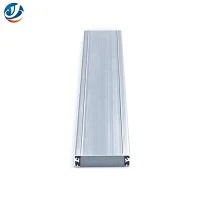
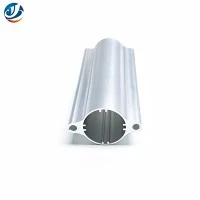


Aluminium Skirting Board
YIDA Aluminum Technology Co., Ltd. was formerly a distributor of aluminum products. In view of the market demand and R&D of new products, the company established a small factory with only 10 people in 2005.With the continuous innovation of R&D technology and expansion of production, it has become a high-tech enterprise integrating research, design, production, sales of aluminum construction profiles and industrial aluminum profiles. The company covers an area of 10,000 square meters and has extrusion workshop, deep processing workshop, oxidation workshop and packaging workshop. It is located in ZHAOQING high-tech area.
Why Choose Us?
One-stop solution
With the continuous innovation of r&d technology and expansion of production, it has become a high-tech enterprise integrating research, design, production, sales of aluminum construction profiles and industrial aluminum profiles.
Global shipping
The company has a marketing network all over the country and cooperates with partners to develop the market.
Advanced equipment
We has 3 advanced extrusion lines, he factory equipped with 25 tons of punching production lines, 5 CNC engraving machines, 50 modern oxidation tanks.
Quality control
Our factory is an aluminum industry base integrating the most advanced production and processing equipment and functions. And we certificated of the iso9001:2015 factory in april 2019.


Aluminium skirting is also called skirting board, skirting, and baseboard. It is a board that covers the lowest part of an interior wall or the joint between the floor and the wall surface. It can be used to protect walls from damage.
Benefits of Aluminium Skirting Board
Durability that lasts a lifetime
The durability of aluminium skirting profiles is one of the major benefits. Additionally, aluminium does not rust because of its high corrosion resistance. Conveniently, these longevity characteristics mean that your skirt profiles will be as fresh as ever for ages without the need or cost of regular replacements. These are especially advantageous in highly humid areas such as bathrooms and kitchens, where many other materials could rot away.
Easy maintenance
The aluminium skirting profiles are very low-maintenance, a characteristic that makes them easy to maintain. They are also easier to clean up and can be cleaned by merely wiping with damp cloths to remove dust or dirt from them. Aluminium profiles are more convenient because they do not require refinishing and repainting, as is the case with wooden frames.
Aesthetically pleasing
The aesthetic adaptability of aluminium skirting profiles is truly remarkable. Their sleek and modern look can effortlessly blend with a variety of interior design styles, ranging from contemporary to industrial. What sets aluminium profile apart is their capacity for customization. With a diverse selection of finishes, textures, and colours, they allow for seamless integration into a wide range of architectural themes. Whether you prefer a minimalist, urban, or traditional aesthetic, aluminium skirting profiles can be tailored to suit your specific design vision.
Environmentally friendly
In today’s world, sustainability has become a paramount concern, and aluminium skirting profiles shine in this regard. Aluminium is a highly recyclable material, and many aluminium profiles incorporate a significant portion of recycled content. By choosing aluminium for your skirting profiles, you are not only making an environmentally conscious choice but also making a clear statement of your dedication to a sustainable lifestyle.
Strength and stability
Aluminium is inherently strong and stable. Skirting profiles made from aluminium can withstand wear and tear, accidental impacts, and heavy foot traffic without suffering damage. This strength makes them an excellent choice for high-traffic areas, such as commercial spaces or homes with active families.
Fire resistance
Aluminium is a non-combustible substance; hence, it makes your space safer for use. Aluminium skirting profiles do not tend to increase fire when a fire happens. As such, additional safety is imperative in residential and commercial places as well.
Easy installation
Installing aluminium skirting profiles is a straightforward process that can be undertaken by professionals and diy enthusiasts alike. Tasks such as cutting, shaping, and securing the profiles are easily manageable. The lightweight nature of aluminium profiles also simplifies the installation process, ultimately reducing labour time and cost.
Flexibility in design
Aluminium is a versatile metal; this versatility applies to skirting profiles. They are also customizable to meet your design needs. Aluminium skirting profiles can be anything, depending on how you like them—either classic and minimalistic or bold and artistic.
Powder coated aluminium skirting
This type of aluminium skirting is coated using the electrostatic deposition method. The process involves creating a chemical bond between the powder and the aluminium during the cooking phase. The powder coat is then cured at high temperatures to form a hard, durable finish. The finishes are popular for their longevity and resistance to chipping, peeling and corrosion. They also come in different colours and textures.
Anodized aluminium skirting
This type of skirting has been subjected to an electrochemical process that thickens the natural oxide layer on the surface. The anodizing process is done using dyes to give the aluminium different shades. The anodized layer is more robust than the bare aluminium and provides better wear and corrosion resistance. These skirts have a metallic appearance, and their colours range from silver to black.
Wood look aluminium skirting
This is an anodized aluminium skirting with a wood grain pattern. The skirts are popular when a natural look is desired but with the durability of aluminium. They are easy to maintain and install and come in different wood finishes, such as oak, walnut, and pine.
LED aluminium skirting
This type of skirting has a dedicated channel for LED strips. They are used to create ambient lighting in residential and commercial spaces. The skirts come in different finishes, such as anodized, powder-coated, and wood-look. The LED lights are easy to install and provide functional and aesthetic lighting.
Concealed fix aluminium skirting
This type of skirting is fixed to the wall using screws or adhesive that are not visible once installed. They are designed for seamless and clean installation. The concealed fix skirts provide a contemporary look and are popular in modern interiors.
Application of Aluminium Skirting Board
Residential interiors
Aluminum skirting boards can be installed in homes. They protect walls from furniture damage and give a finishing touch to different rooms. These rooms include; living rooms, bedrooms, kitchens and bathrooms. These skirting boards are easy to maintain and provide a modern look in residential interiors.
Commercial spaces
These boards are used in offices, retail shops, hospitals and hotels. They offer high durability and easy maintenance. This makes them a popular choice for commercial spaces. The boards safeguard walls from high traffic damage and maintain a professional or stylish appearance. In hospitals and healthcare facilities, these boards provide hygiene since they are easy to clean.
Industrial settings
Aluminium skirting boards are installed in factories, warehouses and workshops. They provide wall protection from machinery and equipment. This prevents dents and scratches. The boards are preferred in industrial settings due to their durability and ability to withstand harsh conditions.
Outdoor areas
These boards are used in covered outdoor spaces like verandas, patios and parking garages. They protect walls from moisture, debris and impact. The aluminum material is resistant to corrosion and ensures longevity when installed in outdoor spaces.
Coastal regions
Aluminium skirting boards are ideal in coastal areas. This is due to their ability to resist saltwater and humidity. The boards protect walls from dampness and ensure longevity in harsh coastal environments.
Modern and minimalist designs
These skirting boards can be used in spaces with modern or minimalist designs. They offer a clean and sleek line that complements the design. The boards provide wall protection without overpowering the architectural elements of the space.
Material of Aluminium Skirting Board
1xxx series
Containing 99% aluminum, 1xxx series aluminum is often used in applications requiring high weldability due to their track record of high corrosion resistance and excellent workability.
6005/6005A
When comparing 6005 aluminum and 6005A, they differ in chemical composition but are similar in some applications. For instance, 6005 aluminum has a high silicon amount, reducing its melting point but improving its extrudability. 6005A aluminum also has more chromium to reduce the risk of stress corrosion and increase its toughness. It also has extra manganese to improve its extrudability and strength.


6063
A good match for decorative purposes with a good surface finish or for features difficult to extrude such as thin walls or fine details. It extrudes fairly easily and is available in multiple tempers. The alloy also has 25,000 psi minimum yield and 30,000 psi minimum ultimate strength when T6 tempered. It resists corrosion but has a low weld strength though it welds readily.
6061
Stronger than 6063, this alloy is a structural staple in the transportation and machined parts industries. It has a proven track record and an extensive database of properties which include minimum ultimate yield and tensile strengths of 35,000 and 38,000 psi, respectively. The alloy extrudes and welds readily. These attributes coupled with high fracture toughness and good fatigue strength have made it a shoe-in for welded structural members which include auto, truck and trailer frames, railroad cars, and pipelines.
Process of Aluminium Skirting Board
Wall treatment
Before installing the aluminum skirting board, pay attention to the wall basic treatment. For example, observe whether the ground and wall are flat. If there is any unevenness, use a spatula to flatten it, clean it up, and install aluminum baseboards. Otherwise, the skirting line on the installation will bend and be uneven, cannot fit on the wall, and there will be unsightly gaps, so we must do an excellent job in the grassroots treatment.
Precision drilling
First, saw off a section of 15cm aluminum baseboards section, and then clip the buckle to the card slot on the back. Second, let the skirting board lean on the wall and mark the snap holes. Then use a special tool to drill a hole in the wall, and then use a plastic nail to drive into the hole that has just been punched. Pay attention to fixing the buckle on the wall with screws.
Concave and convex angle treatment
Aluminium skirting bunnings is troublesome to handle at the concave and convex angle position. When installing the skirting at the convex and convex angle, pay attention to drawing the fixed point position on the wall, taking the holes, nail the plastic nails, and then fixing the convex and convex angle on the corner with screws.
Installation
Finally, use a tape measure to measure the size and distance of each segment and use a cutting machine to cut out the corresponding size and clip it to the corresponding buckle. If skirting line exceeds wall, install a fastener in the middle of the aluminum skirting line interface. The purpose is to ensure that the skirting line is flat.
Aluminium is a material that requires minimal maintenance and is very easy to maintain. The following are recommendations for cleaning and maintenance depending on the finish in order to maintain a long-lasting finish and performance over time.
Products to avoid
In any case, acidic or alkaline cleaning agents and abrasive cleaning agents should be avoided. Also, prior to installation and during assembly, it is important to protect the product from possible stains from other products such as lime, cement or concrete. These products have the ability to attack the anodic layer and must be removed immediately.
Interiors
In general, for proper maintenance and cleaning of indoor aluminium products, periodic cleaning with soft cloths and, in some cases, neutral cleaning agents rinsed with water will suffice.
Anodised aluminium
Anodised aluminium by its nature has excellent resistance to corrosion and discolouration, however, its finish can be altered by external agents or conditions. Commonly, soiling only causes aesthetic deterioration without compromising the excellent stability of the product.
In cases of stubborn dirt, it is possible to apply neutral cleaning agents with finely distributed abrasive elements in the product, which do not affect the aluminium surface chemically or mechanically.
Exteriors
Outdoor cleaning will depend on the exposure and aggressiveness of the environment in which the products are installed. In general, the aim is to avoid deposits of residues and stagnant dirt that can cause corrosion together with ambient humidity. Periodic cleaning with water may be sufficient for this purpose.
For more stubborn dirt, neutral cleaners can be used. Also, without functionally affecting the assembly and avoiding deep water penetration as far as possible, pressure water cleaning machines can be used.
Any cleaning agent residue must be removed with clean water afterwards.
Lacquered aluminium
Aluminium is lacquered according to processes that ensure its correct corrosion behaviour.
In the case of lacquered aluminium, any type of abrasive product that may irreparably damage the lacquer must be avoided. Car cleaning detergents can be used according to the manufacturer’s instructions.
Aluminium Skirting vs Wood Skirting
Traditionally, wood may have been the most popular material used for skirting, but there are now many compelling reasons to opt for aluminium.


Maintenance
Whereas aluminium skirting is virtually maintenance-free, wood skirting requires painting, staining and sealing from the outset – and regular attention afterwards – to preserve its appearance and structural integrity. The consequence of failing to do so could mean deterioration and costly repairs in the future.
Cleanliness and hygiene
Aluminium is non-toxic and because it’s non-porous, it won’t absorb moisture or harbour bacteria. Additionally, its smooth surface allows for quick and thorough cleaning, making it the perfect choice for environments in which hygiene and cleanliness are paramount for patient or consumer safety – healthcare facilities, food processing plants, kitchens, and laboratories.
Durability and cost-efficiency
While the initial cost of aluminium skirting may be slightly higher than wood, its long-term cost-effectiveness far outweighs the upfront investment. Aluminium is highly resistant to moisture and harsh temperatures, so it won’t warp, crack or fade. Its durability and resistance to damage, along with the need for minimal maintenance and a significantly longer lifespan, result in fewer repairs and replacements, and lower lifecycle costs over time.
Design appeal
For a contemporary look that offers seamless continuity between floors and walls, aluminium skirting complements today’s design trends.
Versatility
Aluminium is lightweight compared to materials such as wood or stone, making it easier to handle and install. This can reduce installation time and labour costs.
Pests
Unlike wood, the metal composition of aluminium provides a barrier from pests such as termites or wood-boring insects. Not only does this ensure the skirting remains intact and structurally sound over time, it also ensures a pest-free environment.
Fire protection
Aluminium is non-combustible, which means it does not burn. This makes aluminium skirting the safer option for buildings, reducing the risk of fire damage and enhancing overall safety.
Sustainability
Aluminium is highly resource-efficient compared to wood. By opting for aluminium skirting, you are better placed to meet your project’s sustainability targets while enjoying the benefits of a durable and long-lasting material.
How to Choose Aluminium Skirting Profile for Wall
Before anything else, it is important to determine the exact role the skirting board will play in the overall design of the space in question. Will it be mainly decorative or does it need to protect the walls from furniture and foot traffic as well? Perhaps waterproof properties are required for a bathroom or kitchen. Knowing the requirements will guide the selection process towards profiles suited for those functions.
Take into account the style of the room and the look that needs to be achieved. For more traditional spaces, choose skirt boards with details like grooves or raised panels. If the space is sleek and modern, pick smooth, simple lines. The profile should match the interior design style so everything feels cohesive and finished.
When picking the color and finish of the profile, consider how it will work with the flooring and walls. If the goal is for it to blend in, choose shades that are similar to the other surfaces. For an accent look, pick bolder colors or textures. High-gloss finishes are great for more formal areas, while matte is more casual.
Since skirting boards need to last, it is important to consider the quality of the profiles being purchased. Look for signs of excellent construction, like precision welding and smooth edges. Profile durability is also key - select boards made from long-lasting materials that will withstand the demands of the space, whether that requires waterproof properties or resilience to impacts.
Be sure to take into account how the skirting boards will be installed once they are purchased. Some profiles allow for simpler installs than others, which may affect the overall project costs. Consider the tools and skills required as well as the time needed for installation.
As with anything, budget constraints must be taken into account when skirting boards are being selected. Higher-end options may have a more premium look but also come at a higher cost. Profiles that fall within the budget but also meet all other criteria should be selected.
Our Factory

YIDA Aluminum has 3 advanced extrusion lines, capacity namely 2000 tons, 800 tons and 700 tons. The factory equipped with 25 tons of punching production lines, 5 CNC engraving machines, 50 modern oxidation tanks. Besides, we have series oftechnology in mold development, extrusion, anodizing, single and double salt coloring, industrial profiles and aluminum deep processing (drilling, punching, polishing, wire drawing, fine carving).Around 200 employees are hired in production and technical personnel field.


Certificate
