

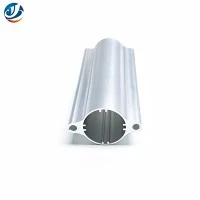


Cnc Aluminium Profile
What is Cnc Aluminium Profile?
Cnc aluminium profile is a process that involves using a computer-controlled machine to shape aluminum extrusion parts according to specific designs. The process is widely used in various industries, including automotive, aerospace, construction, and electronics. It provides precision, speed, and accuracy when it comes to producing different shapes and sizes of aluminum parts.Next, the design is programmed into the cnc machine, which uses a series of tools to cut, shape, and form the aluminum extrusion into the desired shape.
Precision and Accuracy
CNC machines can achieve tolerances as tight as ±001 inches, ensuring that each part meets exact specifications. This level of precision is crucial for applications where components must fit together.
Repeatability
Once a programme is created, it can be reused to produce identical parts with consistent quality, making CNC machining ideal for both prototyping and large-scale production.
Efficiency
CNC machines can operate continuously, significantly reducing production times. Automation also minimises human error, leading to higher overall efficiency.
Complexity
CNC machining allows for the creation of intricate and complex designs that would be challenging or impossible to achieve with manual methods.
Versatility
With the ability to work on a range of aluminium alloys, CNC machining offers versatility in fabricating parts for diverse applications, from lightweight automotive components to intricate housings.


Why Choose Us
Our factory
Yida aluminum has 3 advanced extrusion lines, capacity namely 2000 tons, 800 tons and 700 tons. The factory equipped with 25 tons of punching production lines, 5 cnc engraving machines, 50 modern oxidation tanks.
Our product
Aluminum extruded profiles, aluminum tubes, frame-like structural aluminum profiles, aluminum high-precision cnc machining profiles and aluminium trim profiles. The profiles produced by our company are widely used in all ranges such as industry, construction and home appliances.
Production market
The company has set up a marketing branch in hongkong, and established sales networks in germany, spain, russia and other countries and regions, and its export volume ranks among the top among many aluminum manufacturing companies.
Our certifications
Our factory is an aluminum industry base integrating the most advanced production and processing equipment and functions. And we certificated of the iso9001:2015 factory in april 2019.
The CNC Machining Process
CNC machining involves the use of computer-controlled machines to remove material from a workpiece and shape it into the desired form. The process usually begins with a CAD (computer-aided design) model, which is then converted into a series of instructions for the CNC machine to follow. Here’s a step-by-step overview of how CNC machining works in aluminium fabrication:
Design and Programming
Engineers create a detailed 3D model of the part using CAD software. This model is then translated into a set of G-code instructions that the CNC machine can interpret.
Setup
The aluminium workpiece is secured in the CNC machine. Tools are selected based on the material properties and the specific requirements of the part being fabricated.


Machining
The CNC machine follows the programmed instructions, moving along multiple axes to cut, drill, and shape the aluminium with high precision. Advanced CNC machines can operate on up to five axes simultaneously, allowing for complex geometries.
Finishing
Once the primary machining operations are complete, the part may undergo additional finishing processes such as deburring, anodizing, or polishing to achieve the desired surface quality and aesthetic.
The Production Process of Cnc Aluminium Profile
Laser cutting
Aluminum profile cutting is a cnc machining process which is a very simple machining method. The maximum cutting accuracy error can reach ±0.3mm. Aluminum profile cutting equipment and operators will directly affect the profile cutting accuracy.
Commonly used cutting processes for aluminum profiles include 900 cutting, 450 cutting and 1350 cutting processes. Cnc machines can also, according to customer needs cutting into different angles to achieve assembly of different regular angles.
Cnc drilling
Industrial aluminum profiles have a variety of connection methods and according to different connection methods drilling. Common drilling methods include through holes and stepped holes. The through hole is mainly used to connect bolts (half-round head) fast. Ladder holes are mainly used for special fastening connectors (built-in connectors, inner connectors). Drilling is the most common and high-tech process in cnc aluminum processing.
Cnc tapping
Aluminum profile tapping is external thread tapping. Aluminum profile tapping processing is to perform thread tapping on the tapping holes at the end of the aluminum profile according to the technical requirements of the design drawings for the fastening and connection of the later frame. The commonly used specifications of tapping holes are φ6, φ8, φ10, φ12, φ14, etc. The length of the bolt determines the depth of the hole, and the commonly used are m8, m12, m14, m16, etc. Generally, when the thickness of the aluminum profile is sufficient, it can be tapped.
Cnc milling
The conventional frame assembly of aluminum profiles does not require cnc milling for processing. However, under special circumstances, when non-standard parts and profiles are used together and function expansion, it is necessary to perform cnc milling processing on aluminum profiles according to technical requirements.
Many aluminum products need to undergo deep processing to meet the use requirements. Shenghai often cnc machining aluminum products including heat sink aluminum, aluminum handles, industrial aluminum parts, aluminum enclosure box, aluminum profiles for door&window accessories, fix joint aluminum, etc.
Determine the application
The intended application of the profile will significantly influence your choice. Consider the specific requirements of your project, such as load-bearing capacity, corrosion resistance, and aesthetic appeal. For example, if the profile will be used in a load-bearing structure, you will need a profile with high strength and rigidity.
Choose the right alloy
Cnc aluminium profiles are made from different aluminium alloys, each with unique properties. For instance, 6061 aluminium alloy offers a good balance of strength, corrosion resistance, and weldability, while 7075 aluminium alloy is renowned for its exceptional strength and hardness. Consult with manufacturers or industry experts to determine the most suitable alloy for your application.
Consider dimensions and tolerances
The dimensions and tolerances of the profile are critical for proper fit and functionality. Accurately define the profile’s length, width, height, and any necessary radii or chamfers. Specify the required tolerances to ensure the profile meets your precise requirements. High-precision cnc machining capabilities allow for the production of profiles with tight tolerances, resulting in precise assemblies.
Select the surface treatment
Surface treatments enhance the durability, aesthetics, and performance of cnc aluminium profiles. Anodizing creates a protective oxide layer, increasing corrosion resistance and wear resistance. Powder coating provides a wide range of color and texture options, enhancing the profile’s aesthetic appeal and protecting it from harsh environments. Consider the specific requirements of your application when choosing the appropriate surface treatment.
Partner with a reliable manufacturer
Selecting a reputable and experienced cnc aluminium profile manufacturer is crucial for project success. Look for manufacturers who offer comprehensive services, including design, engineering, production, and quality control. Assess their technical expertise, equipment capabilities, and quality management systems to ensure they can meet your project’s demands.
Precautions of Cnc Aluminium Profile
– Wear appropriate ppe: Always wear safety glasses, gloves, and earplugs during operation.
– Securely mount the profile: Clamp the aluminum profile firmly to the machine bed to prevent it from moving unexpectedly.
– Use sharp tools: Dull tools can kick back and cause injury. Use sharp cutting tools and regularly replace them.
– Maintain the machine: Keep the cnc machine well-maintained, lubricated, and free of debris to ensure proper operation.
– Avoid sharp edges: Cnc aluminum profiles can have sharp edges. Handle them carefully to prevent cuts.
– Use proper lifting techniques: Lift heavy profiles with a proper lifting device or seek assistance to avoid strain or injury.
– Store profiles safely: Store aluminum profiles in a designated, secure area to prevent them from falling or becoming unstable.
– Control dust: Cnc machining can generate aluminum dust, which is hazardous. Use dust collectors or wear a respirator to minimize exposure.
– Manage fumes: Welding or cutting aluminum can release harmful fumes. Ensure adequate ventilation and use exhaust systems to remove fumes.
– Beware of trip hazards: Keep the work area free of cables, tools, and debris to prevent tripping or falling.
– Verify electrical connections: Always double-check electrical connections before operating the machine.
– Ground the machine: Ensure the cnc machine is properly grounded to prevent electrical shocks.
– Avoid unauthorized modifications: Do not attempt to modify or repair electrical components without proper training or authorization.
– Know the emergency stop: Familiarize yourself with the location and operation of the emergency stop button.
– Establish an evacuation plan: Determine evacuation routes and designated assembly points in case of an emergency.
– Train for emergencies: Conduct regular safety training sessions to ensure proper response to emergencies.
– Stay alert and focused: Pay attention to the task at hand and be aware of potential hazards in the work area.
– Avoid loose clothing or jewelry: Loose clothing or jewelry can get caught in moving parts, causing injuries.
– Follow established procedures: Always follow standardized operating procedures for cnc aluminum profile operations.
– Report any hazards or concerns: Immediately report any unsafe conditions or potential hazards to the appropriate supervisor or safety personnel.
How to Maintain and Care for Cnc Aluminium Profile
Cleaning and inspection
Regular cleaning and inspection of cnc aluminum profiles are vital for maintaining their appearance and integrity.
Cleaning: Use a mild detergent and soft cloth to gently wipe down the profiles. Avoid using harsh chemicals or abrasive cleaners that could damage the surface.
Inspection: Examine the profiles for any signs of dirt, grime, or damage. Pay particular attention to areas with moving parts or critical connections.
Lubrication
Proper lubrication is essential for smooth operation and reduced wear and tear.
Regular lubrication: Apply a thin layer of lubricant, such as light machine oil or grease, to all moving parts, including bearings, slides, and gears.
Specific lubricants: Use manufacturer-recommended lubricants specifically designed for cnc aluminum profiles to ensure compatibility and optimal performance.
Surface protection
Protecting the surface of cnc aluminum profiles from corrosion and other environmental factors is crucial.
Anodizing: Anodizing involves creating a protective oxide layer on the aluminum surface, enhancing corrosion resistance and durability.
Powder coating: Powder coating involves applying a colored coating onto the aluminum surface, providing protection against wear, scratches, and uv radiation.
Environmental considerations
Cnc aluminum profiles should be stored and used in appropriate environmental conditions to prevent damage or corrosion.
Temperature and humidity: Store and operate the profiles within the recommended temperature and humidity ranges to avoid condensation, corrosion, and thermal expansion issues.
Chemical exposure: Avoid exposing the profiles to corrosive chemicals or solvents that could react with the aluminum surface.
Troubleshooting
Addressing potential issues promptly is essential to maintain the proper functioning of cnc aluminum profiles.
Noise or vibration: Check for misalignment, loose connections, or worn-out components, and address the issue promptly.
Reduced performance: Inspect the profiles for damage, lubrication, or proper assembly, and take the necessary corrective actions.
Preventive maintenance
Regular preventive maintenance measures can help extend the lifespan of cnc aluminum profiles.
Routine inspections: Implement a maintenance schedule for regular inspections, cleaning, and lubrication to minimize wear and tear.
Training: Ensure that operators are adequately trained in proper handling and maintenance techniques to prevent potential mishandling or damage.
Record keeping: Maintain a log of all maintenance activities, repairs, and inspections for future reference and accountability.
Our Factory

YIDA Aluminum Technology Co., Ltd. was formerly a distributor of aluminum products. In view of the market demand and R&D of new products, the company established a small factory with only 10 people in 2005.With the continuous innovation of R&D technology and expansion of production, it has become a high-tech enterprise integrating research, design, production, sales of aluminum construction profiles and industrial aluminum profiles. The company covers an area of 10,000 square meters and has extrusion workshop, deep processing workshop, oxidation workshop and packaging workshop. It is located in ZHAOQING high-tech area.


Certifications

Video