

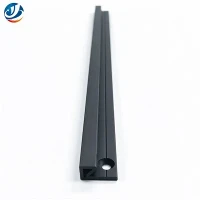


Aluminium Frame Profile
What is Aluminium Frame Profile?
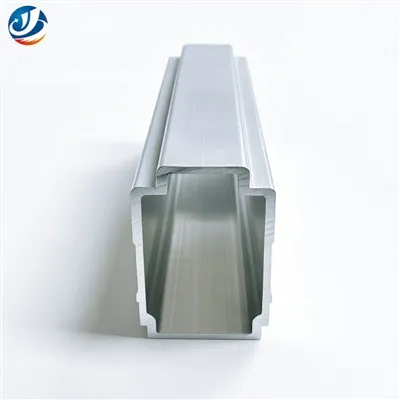
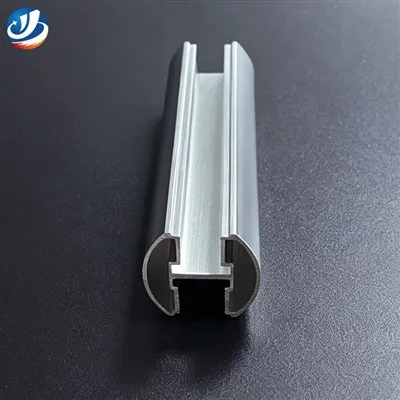
Aluminum frame better and superior to conventional metals both in terms of light weight but strong corrosion resistant and can be used for assembly, cutting, drilling, bending, stamping, as well as coloring as needed. This makes the aluminum frame work popular. In addition to being used in doors and windows, aluminum frames can also be adapted to be used as furniture pieces that emphasize beauty and design.This is also conducive to expanding the sense of space in the interior,therefore, there are more and more users of aluminium frame profile profiles.
Advantages of Aluminium Frame Profile
Good sealing
Aluminum frames have a good seal. This is because the aluminum door frame will be embedded in the wall and floor. Aluminum door frames and glass doors are completely sealed. Users do not have to worry about a lot of dust entering the room, and it also has the function of anti-noise.
Easy extrusion
Aluminum alloy is easy to extruding. After high temperature mold extrusion, the aluminum alloy will become the aluminum alloy profile that customers need.
Long service life
The service life of aluminum alloy material is very long. Therefore all kinds of door frame aluminum profiles made from aluminum alloy are very durable. It is not afraid of the erosion of wind and rain or humid environment. In addition, it does not require frequent maintenance, saving time and labor. Therefore many customers increasingly prefer to use aluminum door frame.
Recyclability
Aluminum is a highly recyclable material. Using aluminum materials can help save resources. It is also eco-friendly, which is friendly to the environment. Therefore using aluminium frame profile is good for conserving natural resources.


Why Choose Us
Our factory
Yida aluminum has 3 advanced extrusion lines, capacity namely 2000 tons, 800 tons and 700 tons. The factory equipped with 25 tons of punching production lines, 5 cnc engraving machines, 50 modern oxidation tanks.
Our product
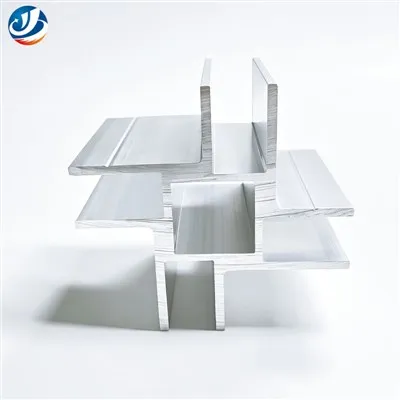
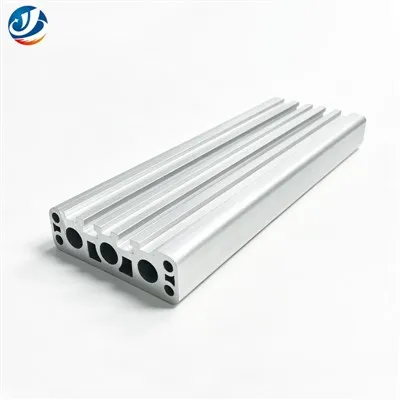
Aluminum extruded profiles, aluminum tubes, frame-like structural aluminum profiles, aluminum high-precision cnc machining profiles and aluminium trim profiles. The profiles produced by our company are widely used in all ranges such as industry, construction and home appliances.
Production market
The company has set up a marketing branch in hongkong, and established sales networks in germany, spain, russia and other countries and regions, and its export volume ranks among the top among many aluminum manufacturing companies.
Our certifications
Our factory is an aluminum industry base integrating the most advanced production and processing equipment and functions. And we certificated of the iso9001:2015 factory in april 2019.
Types of Aluminium Frame Profile
Single rabbet profile
A single rabbet profile on an aluminum door refers to the construction of the door's frame. The rabbet is a groove cut into the edge of the door frame that allows the door panel to sit flush within the frame. A single rabbet means that only one groove is cut into the frame, as opposed to a double or triple rabbet.
Double rabbet profile
A double rabbet profile on an aluminum door refers to the shape of the door's edge where the door panel fits into the frame. The double rabbet refers to two grooves, or recesses, cut into the edge of the door panel, allowing it to fit securely into the frame and seal tightly when closed.


Double egress profile
An aluminum door with a double egress profile typically refers to a door that has two points of egress or exit points. This type of door is often used in commercial or public buildings as a safety feature to allow for easy and quick exit in an emergency. The double egress profile also allows for a wider opening which is useful for wheelchair access.
Cased opening profile
A cased opening profile for a metal interior door frame is a type of trim or molding used to cover the gap between the door frame and the drywall or wall surface surrounding the door. It is typically made of aluminum and is designed to match the color and finish of the door itself. The cased opening profile is used to give a finished and polished look to the installation of the door. The cased opening profile helps to create a seamless and finished look for the door installation and can also provide additional support and stability for the door.
The Production Process of Aluminium Frame Profile
Aluminum alloy selection
Aluminum alloy selection is the vital first step in crafting precise extrusion profiles. Choosing the right alloy dictates the profile’s strength, corrosion resistance, and other characteristics. This decision forms the foundation for a successful extrusion process, ensuring the final product meets design requirements and performance expectations.
Custom extrusion design and die preparation
Begin by designing the desired shape and dimensions of the aluminum extrusion profile using specialized software. Once the design is finalized, create a die, which is a tool that shapes the aluminum under pressure. The die should match the profile’s specifications and intricacies.
Billet heating
Load an aluminum billet, a cylindrical piece of aluminum, into a furnace and heat it to the required temperature. Heating makes the aluminum malleable and ready for extrusion.
Extrusion tooling process
The heated billet is pushed through the die using a hydraulic press. The pressure forces the aluminum to take on the shape of the die’s opening. As the aluminum passes through, it forms the desired profile.
Cooling and cutting
After extrusion, the newly shaped aluminum profile is rapidly cooled using water or air to maintain its structural integrity. Once cooled, the continuous extrusion is cut into desired lengths using a saw or other cutting tools.
Straightening and quality check
The extruded profiles may undergo a straightening process to correct any distortions caused during extrusion. Finally, conduct a quality check to ensure that the dimensions, surface finish, and overall quality meet the required standards.
Packaging and distribution
Approved profiles are packaged securely to prevent damage during transportation. They are then distributed to manufacturers for use in various applications.
How thick should aluminum frame be
As an expert in the field of aluminum frames, I often get asked the question, "how thick should an aluminum frame be?" it's a valid concern, as the thickness of an aluminum profile frame can greatly impact its strength and durability. In this article, I will guide you through the process of choosing the right thickness for your aluminum frame, discuss its applications, highlight the advantages of using aluminum extrusion frames, and delve into the importance of surface treatment. By the end of this article, you will have a clear understanding of how to select the perfect aluminum frame for your needs.
How to choose aluminum frame profile
When selecting an aluminum frame profile, it's crucial to consider the intended application and the load it will bear. The thickness of the frame plays a significant role in determining its strength and ability to withstand external forces. It is essential to strike a balance between having a frame that is thick enough to provide sufficient structural integrity and one that is not excessively bulky or heavy.
To determine the appropriate thickness for your aluminum frame profile, you need to assess the load it will bear. If the frame will support heavy machinery or equipment, a thicker frame would be necessary to ensure its stability. On the other hand, if the frame will be used for lightweight structures such as display panels or signage, a thinner frame might be more suitable.
Additionally, the size and dimensions of your aluminum frame should be taken into consideration. Larger frames generally require thicker profiles to maintain their stability, while smaller frames can often be made with thinner profiles without compromising their integrity.

How to Judge Quality of Extrude Aluminium Frame Profile
Surface
It depends on whether the frame aluminium profile is obviously distorted in appearance and shape, and touch whether the surface feels (uneven), whether there are cracks or bubbles, scratches, burrs and other uneven places. You must check each side carefully, and if you find any, it is best not to buy it. This is an obvious quality problem.
Look at the degree of oxidation
You can scratch the surface of the aluminum profile with a smooth hard object, and a white scratch will be left at this time. We wipe it lightly with our hands and observe. If it cannot be wiped off, the material may have quality problems. If it can be wiped off easily, it means that the thickness of the oxide film on the surface of the aluminum frame section is qualified. Generally, the average thickness of the oxide film of the industrial aluminum profile is 10μ.
Colour
The color of the same aluminum alloy profile should be the same. If the chromatic aberration is obvious, attention should be paid. The section color of ordinary aluminum alloy profiles is generally silvery white with uniform texture. If the color is dark or dark, it can be concluded that it is forged in the furnace from recycled aluminum or scrap aluminum. In addition, check whether the section thickness of the aluminum profile frame is the same as the marked model, and whether there is a difference between the actual product and the marked.
Flatness
Check the surface of the aluminum alloy profile, there should be no depressions or protrusions. The aluminum profiles processed by regular manufacturers have a smooth surface. If it is a small workshop, due to the machine or raw materials, the surface of the profile will have slight unevenness. Aluminum extruded frame is easy to oxidize and deform in the later stage.
Strength
When buying, you can bend the profile moderately by hand. If it can be bent without force, it can be determined that the strength of the aluminum frame sectionis unqualified. Of course, the harder the profile, the better. Aluminum has a certain degree of toughness and is not a hard material. With this characteristic, different shapes can be forged.
Therefore, when choosing aluminium frame profile, you need to observe carefully. Avoid using profiles with obvious defects such as bubbles, ash, cracks, burrs, and peeling. If the above phenomenon exists, it can basically be judged that it belongs to secondary aluminum or scrap aluminum, which is formed after secondary processing. This material is prone to cracking and oxidation in the later stage due to uneven texture and disordered alloy ratio.
Production lines
With the invention of the production, or assembly line, it has been possible for different kinds of industries to more efficiently manage their processes and operations. With the many properties of aluminum, it shouldn’t be a surprise why extruded profiles make the best use for the components of this complex machine.Components like the solenoid valve can be made with aluminum material. This type of alloy is lightweight, corrosion-resistant, and offers a low-cost option compared to other kinds of materials. Solenoid valves that are made of aluminum are especially effective in the transport, transmission, and distribution of different fluids. This durable, yet lightweight material can ensure that the production line stays in optimal condition.
Door frames
As door frames, aluminum not only improves the functionality of this structure, but it also has many decorative elements in contemporary architecture. The shiny finish of the aluminum is pleasing to look at. Aluminum door frames require very little maintenance, due to their resistance to material degeneration, like corrosion, degeneration, and rusting. The durability also prevents the entry of unwanted airborne particles, in order to retain a clean air quality inside the structure.
Window sections
Compared to wooden, or timber sections, aluminum window sections are far more affordable and practical. Similar to the humble aluminum door frame, window sections that are made out of aluminum have both functional and decorative elements.
The problem with window sections that are made with different materials, is that they can degrade easily. For example, wood can be difficult to maintain, especially in the presence of harsh environmental conditions. Meanwhile, the many features and properties of aluminum profiles make it less destructive. The normal motion involved in sliding windows won’t be interrupted by environmental hazards like heavy rain and high temperatures.
Building railings
Building railings need to meet several safety standards. These structural components have been a part of both high-rise developments and humble residential spaces. While the main driver behind the installation of railings has mainly to do with safety, these may also have aesthetic implications.
As a material, aluminum is highly versatile and malleable. Manufacturers of guard railings can come up with a wide variation of designs on aluminum profiles. Aluminum profiles can be fabricated to become decorative columns, bottom rails, lattice systems, newel posts, and the like.
Utility trailers
Utility trailers are primarily used for hauling different kinds of equipment. These simple machines can accommodate varying loads of objects, depending on the size of the trailer. They offer a high level of accessibility and flexibility — in particular, utility trailers come with a coupler hitch in order to tightly secure the entire system to a vehicle.
Decks of utility trailers are usually made out of heavy-duty wood panelling or high grade steel. These materials may not necessarily be cheap, but using aluminum profiles as side railings can greatly reduce the entire weight of the utility cart. There’s little-to-no need for future replacements because the material can greatly withstand many outdoor elements that may potentially mar the railings’ quality.
Our Factory

YIDA Aluminum Technology Co., Ltd. was formerly a distributor of aluminum products. In view of the market demand and R&D of new products, the company established a small factory with only 10 people in 2005.With the continuous innovation of R&D technology and expansion of production, it has become a high-tech enterprise integrating research, design, production, sales of aluminum construction profiles and industrial aluminum profiles. The company covers an area of 10,000 square meters and has extrusion workshop, deep processing workshop, oxidation workshop and packaging workshop. It is located in ZHAOQING high-tech area.


Certifications

Video