

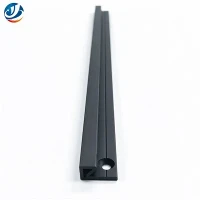


Aluminum Tube
What is Aluminum Tube?
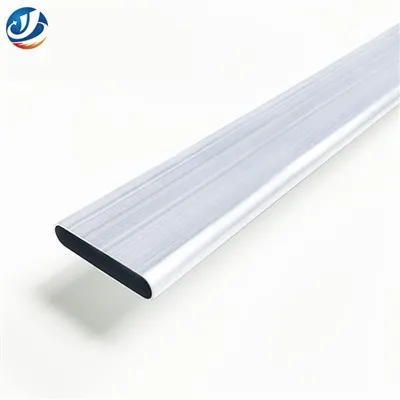
Aluminum tube are one of the most versatile and widely used components in many industry sectors. Thanks to their unique properties such as lightness, corrosion resistance, good thermal and electrical conductivity, as well as the ability to form into various shapes, aluminum tube have become irreplaceable in many sectors.Their versatility makes them an inseparable element in such diverse fields as construction, automotive, aerospace, energy or chemicals. In construction, aluminum tube are often used in structures such as window frames, doors, building facades, as well as in ventilation and air conditioning systems. In the automotive and aerospace industries, due to their lightness and strength, they are irreplaceable in the production of various types of vehicles and machines.
Corrosion Resistant
Of all the advantages brought by aluminum, none are more important than corrosion resistance. This metal can fight rust far better than most of the popular metals, which is why it’s often selected for a variety of outdoor and aquatic applications.
Lightweight
While other metals may be stronger, aluminum has a clear advantage in overall weight. Steel, for example, weighs much more than aluminum. Iron is also much heavier; aluminum is roughly a third of the weight compared to iron.
Sound Insulating
Sound control can be important for a variety of reasons, and while aluminum tube may not be considered a sound-control material (like sound-insulating drywall, for example), it does have the ability to reduce sounds from one area to another.
Heat and Flame Resistant
Aluminum tubes also have heat-insulation properties and can be used when even temperatures are required for an industrial or mechanical structure.
Long-term Durability
Aluminum is specifically manufactured to resist corrosion, which not only keeps it strong but also ensures long-term durability. Builders, manufacturers, and industrial experts who need metal tube that will last for decades often turn to aluminum, assuming the greater strength of steel is not required.
Malleable
Aluminum is one of the most versatile metals currently available, which is why aluminum tube is so popular. This metal can be formed into a variety of different shapes and sizes, and it’s generally easy (and relatively affordable) to work with. This makes aluminum the ideal choice for applications where malleability is important.


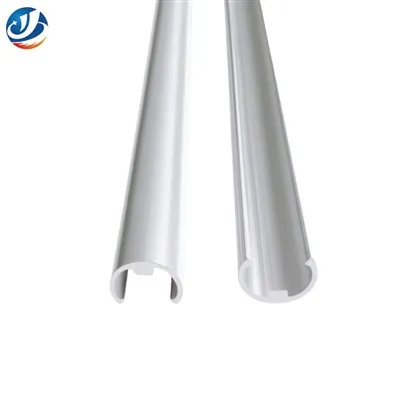
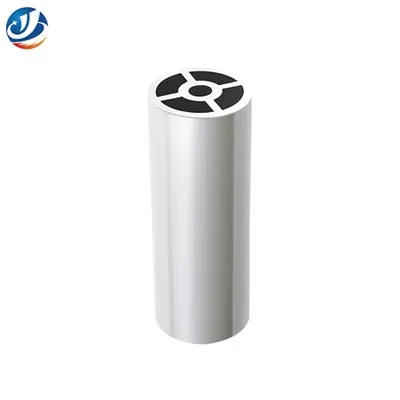
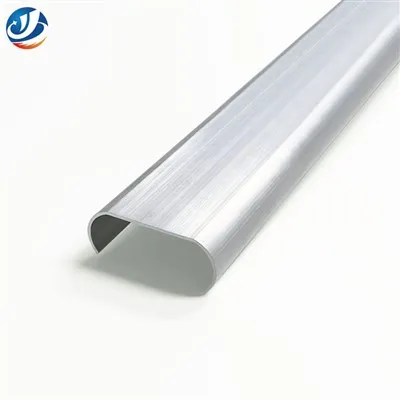



Why Choose Us
Our factory
Yida aluminum has 3 advanced extrusion lines, capacity namely 2000 tons, 800 tons and 700 tons. The factory equipped with 25 tons of punching production lines, 5 cnc engraving machines, 50 modern oxidation tanks.
Our product
Aluminum extruded profiles, aluminum tubes, frame-like structural aluminum profiles, aluminum high-precision cnc machining profiles and aluminium trim profiles. The profiles produced by our company are widely used in all ranges such as industry, construction and home appliances.
Production market
The company has set up a marketing branch in hongkong, and established sales networks in germany, spain, russia and other countries and regions, and its export volume ranks among the top among many aluminum manufacturing companies.
Our certifications
Our factory is an aluminum industry base integrating the most advanced production and processing equipment and functions. And we certificated of the iso9001:2015 factory in april 2019.
Types of Aluminum Tube


Seamless aluminum tubes
Seamless aluminum tubes are made by drawing a solid aluminum billet through a die to create a hollow tube. They have no seams or welds, which makes them stronger and more reliable than welded tubes. Seamless aluminum tubes are commonly used in high-pressure applications, such as hydraulic systems, heat exchangers, and air conditioning systems. They are also used in the aerospace industry for fuel and hydraulic lines.
Welded aluminum tubes
Aluminum tubes that are welded together from two or more pieces of aluminum are known as welded aluminum tubes. While they are more affordable than seamless tubes, they are not as robust. Welded tubes are frequently used in applications that do not require high pressure, such as furniture, fences, and light fixtures. Additionally, they are used in the automotive industry for exhaust systems.
Drawn aluminum tubes
Drawn aluminum tubes are made by drawing a solid aluminum rod through a die to create a hollow tube. They have a smooth surface finish and are used in applications that require a high level of precision, such as instrumentation, telecommunications, and aerospace. Drawn aluminum tubes are also used in the medical industry for catheters and other medical devices.
Extruded aluminum tubes
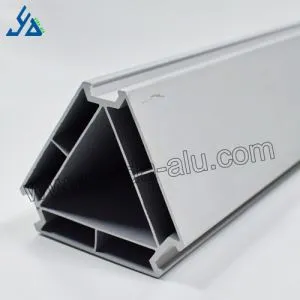
Extruded aluminum tubes are produced by pushing heated aluminum billets through a die to form a hollow tube. With a uniform cross-section, they are ideal for applications that demand a high degree of structural integrity, such as construction, transportation, and marine applications. In addition, extruded aluminum tubes are employed in the automotive industry for structural components and radiator supports.
Finned aluminum tubes
Finned aluminum tubes are used in heat transfer applications. They have fins on the outside of the tube that increase the surface area and improve heat transfer efficiency. Finned aluminum tubes are commonly used in air conditioning and refrigeration systems, as well as in heat exchangers for the aerospace and automotive industries.
Coiled aluminum tubes
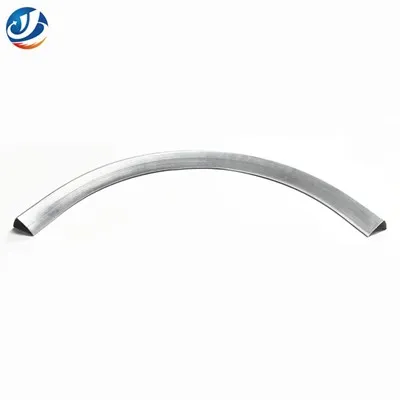
Aluminum tubes that are coiled into a smaller diameter coil are known as coiled aluminum tubes. They are utilized in applications that require flexibility and easy installation, such as refrigeration and air conditioning systems. Coiled aluminum tubes are created by coiling a lengthy section of aluminum tubing. Furthermore, they are used in the medical industry for medical devices such as catheters.
Square aluminum tubes
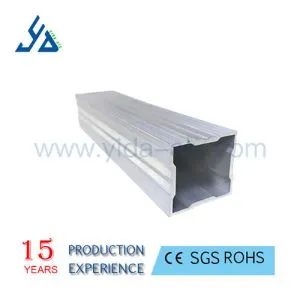
Square aluminum tubes are used in applications that require a high level of structural integrity, such as construction, transportation, and marine applications. They have a square cross-section and are used as structural components for frames, supports, and rails. Square aluminum tubes are also used in the automotive industry for suspension components and body structures.
Rectangular aluminum tubes
Rectangular aluminum tubes are akin to square tubes, with the distinction being their rectangular cross-section. While they can be used in similar applications to square tubes, they are better suited for applications requiring a wider profile, such as trailer frames and boat docks.
Hollow aluminum tubes
Hollow aluminum tubes are used in applications that require a lightweight and rigid structure, such as antennas, flagpoles, and furniture. They have a hollow center and are commonly made from extruded aluminum. Hollow aluminum tubes are also used in the automotive industry for shock absorbers and steering components.
Selecting the Right Aluminum Tube
Factors to Consider
Application requirements: Identify the primary function of the tubing in your project. Will it be used for structural support, fluid flow, or something else? Understanding the application's demands helps determine the required strength, weight limitations, and other crucial properties.
Material properties: Aluminum comes in various alloys, each offering distinct properties in terms of strength, corrosion resistance, and workability. Selecting the right alloy ensures the tubing possesses the necessary characteristics for your project's needs. We'll delve into common aluminum alloys used in tubing later in this guide.
Joining methods: Consider how you plan to connect the tubing to other components in your project. Common joining methods for aluminum tubing include welding, brazing, and mechanical fasteners. The chosen method might influence the selection of tubing material and wall thickness.
Cost considerations: Aluminum tubing prices vary depending on size, alloy, and wall thickness. Balancing costs with the required properties is essential for a successful project.
Common Aluminum Alloys for Tubing
Several aluminum alloys are well-suited for tubing applications. Here's a closer look at some commonly used alloys:
6061 Aluminum: This versatile alloy offers a good balance between strength, weight, and corrosion resistance. It's readily weldable and often used in general-purpose structural applications. A 1-inch diameter 6061 aluminum tube with a 1/4-inch wall thickness is a popular choice for furniture frames, bike frames, and various industrial structures due to its ability to handle moderate loads without excessive weight.
6061-T6 Aluminum: This is a heat-treated version of the versatile 6061 alloy. The heat treatment process (designated by the “T6” temper) significantly enhances the strength of the material compared to the non-heat-treated version. A 1-inch diameter 6061-T6 aluminum tube with a 1/2-inch wall thickness becomes a robust option for applications demanding high load-bearing capacity. While heavier than thinner-walled tubes, it can handle substantial weight without compromising structural integrity. This makes it suitable for heavy-duty furniture frames, industrial equipment supports, and even some structural components in construction (depending on specific load requirements and building codes).
6063 Aluminum: This alloy boasts superior strength compared to 6061 while maintaining good corrosion resistance and weldability. It's often used in applications requiring higher load-bearing capacity, such as heavy-duty furniture, truck components, and industrial machinery. While not as common as 6061 in 1-inch diameter aluminum tube, it can be a suitable option for projects needing extra strength in this size with a 1/4-inch wall thickness.
5052 Aluminum: This alloy prioritizes excellent corrosion resistance and workability. It's not the strongest option but it finds applications in environments prone to corrosion, such as marine applications, food processing equipment, and outdoor signage. 1-inch diameter 5052 aluminum tube with a 1/8-inch wall thickness might be suitable for handrails or lightweight structural components in non-demanding environments.
7075 Aluminum: This alloy prioritizes strength and is often used in aerospace applications. It offers superior strength compared to 6061, even without heat treatment. However, it's also less weldable and more susceptible to corrosion. A 1-inch diameter 7075 aluminum tube with a 1/2-inch wall thickness is ideal for projects requiring exceptional strength, such as heavy machinery components, lifting equipment, or even custom-built roll cages for off-road vehicles. Due to the focus on strength, weight might be a consideration, and alternative materials or designs might be explored for weight-sensitive applications.
Application of Aluminum Tube
Construction & architecture
In construction, aluminum tube are often used in structures such as window frames, doors, building facades, as well as in ventilation and air conditioning systems. Thanks to their corrosion resistance, they are ideal for outdoor applications where they are exposed to weather conditions.
Furniture industry
In the furniture industry, aluminum tubes are used in the manufacture of various types of furniture, from tables and chairs, to cabinets and shelves. Thanks to their lightness and strength, they are ideal for the manufacture of furniture that must be both durable and easy to move.
Bicycle industry
In the bicycle industry, aluminum tubes are a key component of bicycle frames. Thanks to their lightness and durability, they allow the production of lightweight and durable bicycles that are at the same time easy to control and comfortable to use.
Automotive
In the automotive industry, aluminum tubes are used in many components, from vehicle frames to cooling systems to interior trim. Thanks to their lightweightness, they help to reduce the weight of the vehicle, which translates into better fuel efficiency.
Aerospace
In the aerospace industry, aluminum tubes are irreplaceable due to their high strength and low weight. They are used in many aircraft components, from the fuselage structure, through hydraulic systems, to interior elements.
Energy industry
In the power industry, aluminum tube are often used in transmission systems where their good electrical conductivity is essential. They are also used in wind turbine constructions, where their lightness and strength are crucial.
Chemical & pharmaceutical
In the chemical and pharmaceutical industries, aluminum tube are used in transmission systems, where their corrosion resistance is extremely important. They are also used in the production of laboratory equipment, where their next feature, which is the ease of cleaning, is checked.
Aluminum Tube Manufacturing Processes
Extrusion
Extrusion is a process in which a billet of aluminum is forced through a die, creating a long, continuous piece with a uniform cross-sectional shape, similar to how pasta is made using a pasta machine. The extruded product can be a pipe or a tube, depending on the die's shape and the application's specific requirements. Extrusion is especially useful for producing complex cross-sectional shapes and is widely used in the automotive, construction, and aerospace industries.
Drawn over mandrel (DOM)
DOM primarily manufactures tubes with high dimensional accuracy and excellent surface finish. The basic idea is to take a tube that's already been extruded and refine it further. The tube is drawn over a mandrel and through a die, stretching and compressing it to achieve a smoother interior and exterior surface. If you think of extrusion as the act of making the “dough” for a pie, DOM is like rolling it out carefully to get that smooth, flawless crust.
Welded tubes
Welded tubes are made by taking a flat sheet of aluminum and forming it into a tube shape. The edges are then welded together to form a seam. This method is generally more cost-effective than extrusion or DOM but may result in a weaker tube due to the presence of a seam. Welded tubes are often used in applications where high strength is not a primary concern but where cost-efficiency is desirable, like opting for a stapled booklet over a hardbound book when durability is not the main requirement.
How to Maintain and Care for Aluminum Tubes
Corrosion Control: A Paramount Concern
The primary nemesis of aluminum tubes is corrosion, the insidious process that can gradually erode their structural integrity. To combat this, meticulous attention must be paid to the environment in which the tubes are deployed. Avoiding exposure to highly corrosive substances, such as acids or alkalis, and maintaining a clean and dry storage space are crucial.
Mechanical Integrity: Handling with Care
Extruded aluminum tubes, while robust, can succumb to deformation or damage if mishandled. Employing appropriate protective measures during transportation and storage is imperative. Utilize sturdy packaging materials to prevent scratches or dents, and ensure that the tubes are securely fastened to avoid excessive vibrations.


Surface Protection: Shield Against Abrasion
The outer surface of extruded aluminum tubes often serves as an aesthetic or functional element. To preserve its pristine appearance and integrity, regular cleaning is essential. Utilize mild detergents and soft cloths to remove dirt or debris. Abrasive cleaners should be avoided, as they can mar the surface and compromise its protective oxide layer.
Inspection and Maintenance: Proactive Measures
Periodic inspections are indispensable for early detection of any potential issues. Conduct thorough visual examinations of the tubes, paying particular attention to areas where corrosion or deformation may be likely to occur. Regular maintenance, such as tightening loose connections or applying anti-seize compounds to prevent galling, can proactively address potential problems and prolong the tubes’ lifespan.
Our Factory

YIDA Aluminum Technology Co., Ltd. was formerly a distributor of aluminum products. In view of the market demand and R&D of new products, the company established a small factory with only 10 people in 2005.With the continuous innovation of R&D technology and expansion of production, it has become a high-tech enterprise integrating research, design, production, sales of aluminum construction profiles and industrial aluminum profiles. The company covers an area of 10,000 square meters and has extrusion workshop, deep processing workshop, oxidation workshop and packaging workshop. It is located in ZHAOQING high-tech area.


Certifications

Video