

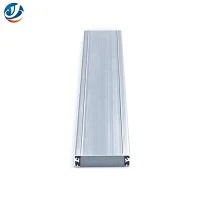
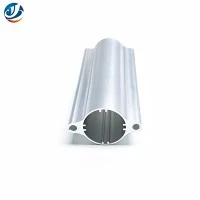


Aluminum Frame Profile

Aluminum Frame Profiles are structural materials with specific cross-sectional shapes, made through precise extrusion processes. Their main function is to serve as the main load-bearing structure of frame systems, and they are widely used in building doors and windows, industrial equipment, and other fields.
Product Specifications
| Products name | Aluminum frame profile |
| Material | 6063-T5 Aluminum |
| Size | OEM |
| Color | Silver, champagne, black, etc. |
| Surface treatment | Supports anodizing, spraying, and other treatments, with optional color and protective performance. |
| Anodizing | Forms an oxide layer with a thickness of 10-20 μm, enhancing corrosion resistance and surface hardness. |
| Coating treatment | Using fluorocarbon spraying or powder spraying process, with surface adhesion reaching grade 0, excellent weather resistance, suitable for outdoor environments. |
| Corrosion resistance | Surface of aluminum alloy naturally forms an oxide film, effectively resisting atmospheric and acidic or alkaline corrosion. |
| Processing Flexibility | Extrusion process can shape complex cross-sections in a single step, reducing subsequent processing steps and lowering manufacturing costs. |
| Recyclable | Aluminum materials can be 100% recycled and reused. |
| Customizable | YES |


Aluminum frame profiles are tough, have moderate hardness, and are easy to cut and work with, without breaking easily.


Product Features


1. Material: 6063-T5 aluminum alloy, hollow with reinforcements, lightweight yet strong, twist-resistant and not easy to deform
2. Slot structure: comes with standard T-slots, sliding nuts can be installed anywhere, high assembly flexibility
3. Assembly: pure component assembly, no welding needed, can be disassembled, modified, and reused
4. Surface treatment: mainly anodized, rust-resistant, corrosion-resistant, oil-resistant, wear-resistant, not easy to oxidize or rust
5. Safety design: rounded corners to prevent injuries to people and cables
6. Appearance: matte and smooth surface, strong industrial feel, no need for painting or secondary processing
7.Application:Automation equipment rack, production line workbench, factory safety guardrail, machine protective cover, storage shelf, test jig frame, exhibition display stand, robot mounting bracket.
Hot Tags: aluminum frame profile, China aluminum frame profile manufacturers, suppliers, factory, aluminum window extrusion profiles, extruded aluminum window frame, aluminium window frame extrusions, window aluminium profile, aluminium profiles for windows and doors, aluminium window profile suppliers
You Might Also Like


Send Inquiry