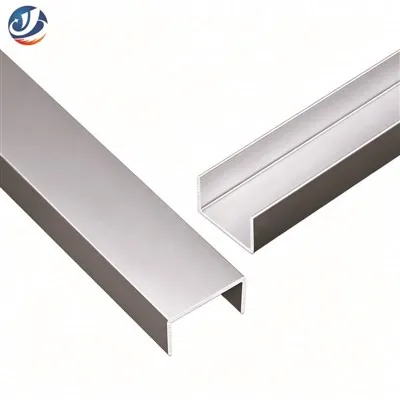
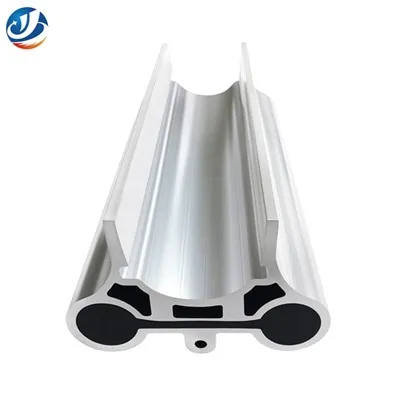
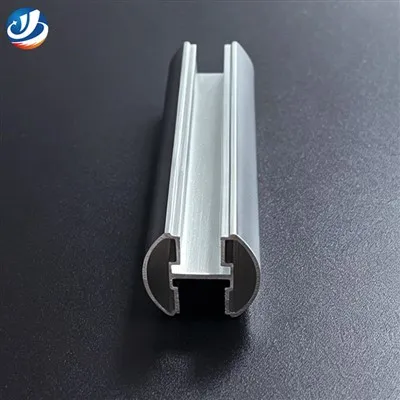
Due to the particularities of the manufacturing process, hot-extruded aluminum profiles can have surface defects during the hot extrusion process caused directly or indirectly by the mold polishing quality or processing conditions. These defects include coarse texture, color separation, dark streaks, bright streaks, scratches, rough edges, and poor surface finish.
Causes of surface roughness defects in extruded aluminum profiles: During extrusion production of aluminum profiles, common defects that are visually apparent include bending, twisting, deformation, and slag inclusion.
Aluminum profiles coming off the extrusion production line are referred to as the base material or billet, also called white material.
The initial judgment of surface quality is generally made after the mold is set up and 2-3 rods are extruded; the first sample check is used to preliminarily determine whether the surface quality is qualified. Once the surface is qualified, other items are then inspected.
5 Methods for Quickly Judging Surface Quality Defects of Aluminum Profiles
1. Tactile inspection: Touch the surface of the substrate with your hand, or use your fingernail to scratch lines, feel any depressions or protrusions, and determine if there is a noticeable tactile texture. Suitable for assessing various surface treatments.
2. Pencil scratch test: During the aluminum profile extrusion process, use a pencil to scratch the surface of the aluminum profile, and judge the presence of coarse texture or grooves based on tactile feel and the continuity of the pencil scratch. Suitable for surface assessment of anodized materials.
3. Spray painting test: During first-sample inspection, spray the substrate surface with an automatic sprayer to simulate the painting effect. After the surface dries for 1-2 minutes, observe for scratches, depressions, protrusions, or other defects. Suitable for surface assessment of painted materials.
4. Alkaline wash test: During first-sample inspection, take a 300mm section from the third rod and soak it in a mold tank for 30-40 seconds. By examining the substrate surface after alkaline washing, you can check for issues like color separation, scratches, or mold weld lines. Suitable for anodized materials with high surface quality requirements.
In addition to the above four common methods, the following is another method for reference.
5. Surface Sanding: During the first inspection sampling, take a 300mm sample section and use an industrial white cloth to sand the substrate surface in a horizontal direction. After sanding, the substrate surface makes it easier to observe very fine defects. This method is used to identify surface defects such as fine scratches, depressions, protrusions, and other defects that are difficult to detect with the above four methods. It is suitable for surface assessment of coatings, anodized materials, and fluorocarbon materials.
The first step is to quickly assess whether the surface quality of the initial inspection piece meets the standard. Even if the first piece passes, abnormalities may still occur during the extrusion process. Therefore, in actual production, it is necessary to develop a reasonable inspection frequency based on the degree of substrate defects and the type of surface treatment, in combination with the order and customer quality requirements, following the requirements of the operation manual. Corresponding methods should be chosen to make timely and accurate judgments, with the principle of avoiding misjudgment and oversight.