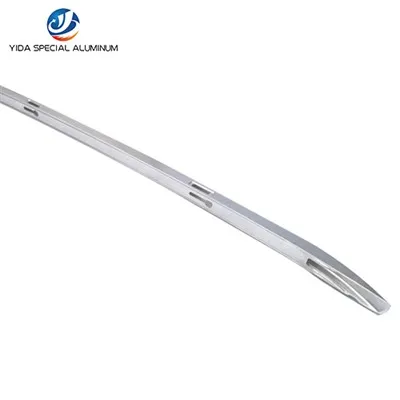
In the world of interior design and construction, aluminium skirting boards have gained significant popularity for their durability, aesthetic appeal, and ease of maintenance. As a leading supplier of [Aluminium Skirting Boards], we often receive inquiries from customers about the installation process, particularly regarding the type of adhesives required. In this blog post, we will explore whether aluminium skirting boards need special adhesives for installation and provide insights to help you make informed decisions for your projects.
Understanding Aluminium Skirting Boards
Aluminium skirting boards offer a sleek and modern alternative to traditional wooden or PVC skirting. They are resistant to moisture, scratches, and dents, making them ideal for a variety of environments, including residential, commercial, and industrial settings. Our range of aluminium skirting boards includes White Aluminum Skirting, Commercial Aluminium Skirting, Black Aluminium Skirting Board, and Anodized Aluminum Skirting Boards. Each product is designed to meet different design preferences and functional requirements.
The Role of Adhesives in Skirting Board Installation
Adhesives play a crucial role in skirting board installation. They provide a strong and secure bond between the skirting board and the wall, ensuring that the skirting remains in place over time. The right adhesive can also help to fill gaps, absorb vibrations, and prevent the skirting from lifting or separating from the wall.
Factors to Consider When Choosing an Adhesive for Aluminium Skirting Boards
When selecting an adhesive for aluminium skirting boards, several factors need to be taken into account:
Compatibility
The adhesive must be compatible with both the aluminium material of the skirting board and the surface of the wall. Some adhesives may react with aluminium, causing corrosion or discoloration. It is essential to choose an adhesive that is specifically formulated for use with aluminium and the type of wall surface you are working with, such as plaster, drywall, or concrete.
Bond Strength
Aluminium skirting boards need to be firmly attached to the wall to withstand daily wear and tear. The adhesive should provide a high level of bond strength to ensure that the skirting remains in place. Consider the weight and size of the skirting board, as well as the location where it will be installed. For heavy or large skirting boards, or in areas with high traffic or vibration, a stronger adhesive may be required.
Drying Time
The drying time of the adhesive can affect the installation process. Some adhesives dry quickly, allowing for a faster installation, while others may take longer to cure. Consider the project timeline and the amount of time you have available for the installation. If you need to complete the installation quickly, choose an adhesive with a fast drying time.
Flexibility
Aluminium skirting boards may expand and contract slightly due to changes in temperature and humidity. The adhesive should have some degree of flexibility to accommodate these movements without cracking or breaking the bond. A flexible adhesive can also help to prevent the skirting from warping or buckling over time.
Environmental Conditions
The environmental conditions in the installation area can also impact the performance of the adhesive. For example, in areas with high humidity or moisture, such as bathrooms or kitchens, a waterproof adhesive may be necessary. In outdoor applications or areas exposed to extreme temperatures, an adhesive that can withstand these conditions is required.
Do Aluminium Skirting Boards Require Special Adhesives?
In general, aluminium skirting boards do not necessarily require special adhesives, but it is recommended to use adhesives that are suitable for aluminium and the specific installation conditions. There are several types of adhesives that can be used for aluminium skirting board installation:
Construction Adhesives
Construction adhesives are a popular choice for skirting board installation. They provide a strong and durable bond and are suitable for a variety of wall surfaces. Some construction adhesives are specifically formulated for use with aluminium and offer good adhesion and resistance to moisture.


Silicone Adhesives
Silicone adhesives are flexible and waterproof, making them ideal for areas where moisture is a concern. They can also withstand temperature variations and are suitable for both indoor and outdoor applications. However, silicone adhesives may take longer to cure and can be more difficult to clean up.
Epoxy Adhesives
Epoxy adhesives offer high bond strength and chemical resistance. They are suitable for attaching heavy or large skirting boards and can be used on a variety of surfaces, including metal, concrete, and wood. Epoxy adhesives typically require a longer curing time and may need to be mixed before use.
Our Recommendations
As a supplier of aluminium skirting boards, we recommend the following adhesives for installation:
- [Product Name 1]: This construction adhesive is specifically formulated for use with aluminium and provides a strong and durable bond. It has a fast drying time and is suitable for a variety of wall surfaces.
- [Product Name 2]: A silicone adhesive that offers excellent flexibility and waterproofing properties. It is ideal for areas with high humidity or moisture, such as bathrooms and kitchens.
- [Product Name 3]: An epoxy adhesive with high bond strength and chemical resistance. It is suitable for attaching heavy or large skirting boards and can be used on a variety of surfaces.
Before using any adhesive, it is important to read the manufacturer's instructions carefully and follow the recommended application methods. Test the adhesive on a small, inconspicuous area first to ensure compatibility and adhesion.
Installation Tips
Here are some tips to ensure a successful installation of aluminium skirting boards:
- Prepare the Surface: Clean the wall surface thoroughly to remove any dust, dirt, or grease. Use a degreaser or appropriate cleaning solution if necessary.
- Measure and Cut: Accurately measure the length of the skirting board and cut it to the required size using a saw or appropriate cutting tool. Make sure the cuts are straight and clean.
- Apply the Adhesive: Apply the adhesive evenly along the back of the skirting board, following the manufacturer's instructions. Use a notched trowel or a caulking gun for a consistent application.
- Install the Skirting Board: Press the skirting board firmly against the wall, starting from one end and working your way along. Use a level to ensure the skirting is straight and aligned. Apply pressure for a few minutes to allow the adhesive to bond.
- Trim and Finish: Once the skirting board is installed, use a utility knife to trim off any excess adhesive. You can also use Aluminium Skirting Board Accessories to add a finishing touch, such as corner pieces or end caps.
Conclusion
In conclusion, while aluminium skirting boards do not always require special adhesives, it is important to choose an adhesive that is compatible with the aluminium material and the installation conditions. Consider factors such as compatibility, bond strength, drying time, flexibility, and environmental conditions when selecting an adhesive. By following the recommended installation tips and using the right adhesive, you can ensure a secure and long-lasting installation of your aluminium skirting boards.
If you have any questions or need further advice on aluminium skirting board installation or adhesive selection, please do not hesitate to contact us. We are here to help you with your interior design and construction projects.
References
- Manufacturer's guidelines for aluminium skirting boards.
- Industry standards and best practices for skirting board installation.
- Previous installation experiences and customer feedback.