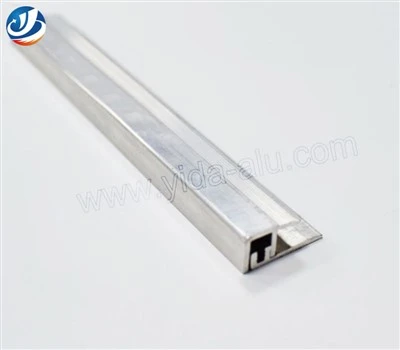
As a supplier of Aluminium Tile Trims, I understand the importance of ensuring these products reach their final installation in perfect condition. Aluminium tile trims not only enhance the aesthetics of a tile installation but also provide protection to the tile edges. However, the installation process can sometimes pose risks of damage. In this blog, I'll share some practical tips on how to prevent aluminium tile trims from getting damaged during installation.
1. Proper Handling Before Installation
The journey of preventing damage starts long before the actual installation. When receiving the aluminium tile trims, it's crucial to handle them with care. These trims are often made of lightweight yet relatively soft aluminium, which can be easily scratched or dented.
- Storage: Store the trims in a clean, dry place. Avoid stacking heavy objects on top of them, as this can cause deformation. If possible, use racks or shelves to keep the trims in an upright position. This helps prevent any unnecessary pressure that might lead to bending or warping.
- Transport: When moving the trims from the storage area to the installation site, use a suitable container or cart. Ensure that the trims are properly secured to prevent them from shifting and colliding with each other or other objects during transportation.
2. Precise Measurement and Cutting
One of the most common causes of damage during installation is improper measurement and cutting. Incorrect measurements can lead to trims that are either too short or too long, which may require forceful adjustments during installation, increasing the risk of damage.
- Accurate Measuring Tools: Use high - quality measuring tools such as a tape measure or a laser measurer. Double - check your measurements to ensure accuracy. A small error in measurement can have a significant impact on the fit and appearance of the trims.
- Proper Cutting Equipment: Select the appropriate cutting tool for the aluminium tile trims. A fine - toothed saw or a metal cutter is usually recommended. Make sure the cutting tool is sharp to ensure a clean cut. A dull blade can cause jagged edges, burrs, or even cracks in the trims.
- Cutting Technique: When cutting the trims, secure them firmly to prevent movement. Use a straight edge or a guide to ensure a straight cut. Apply steady pressure and avoid forcing the tool through the aluminium, as this can cause the trim to deform or break.
3. Surface Preparation
The surface where the aluminium tile trims will be installed plays a vital role in preventing damage. A rough or uneven surface can cause the trims to not fit properly, leading to stress points and potential damage.
- Clean the Surface: Remove any dirt, dust, grease, or debris from the surface. Use a degreaser or a mild cleaning solution to ensure a clean and dry surface. A dirty surface can prevent the adhesive from bonding properly, which may cause the trims to lift or peel over time.
- Level the Surface: Check the surface for any unevenness. If necessary, use a leveling compound to create a smooth and flat surface. This will help the trims to fit snugly and evenly, reducing the risk of damage due to uneven pressure.
4. Adhesive Selection and Application
Using the right adhesive and applying it correctly is essential for a successful and damage - free installation of aluminium tile trims.
- Appropriate Adhesive: Choose an adhesive that is specifically designed for bonding aluminium to the surface material. Consider factors such as the type of surface (e.g., concrete, wood, or tile), the environmental conditions (e.g., humidity, temperature), and the expected load on the trims.
- Proper Application: Follow the manufacturer's instructions for applying the adhesive. Apply an even layer of adhesive to both the back of the trim and the installation surface. Use a notched trowel to ensure a consistent thickness of the adhesive layer. Avoid applying too much or too little adhesive, as this can affect the bonding strength and may cause the trim to shift or become loose.
- Pressing and Alignment: After applying the adhesive, carefully place the trim on the surface and press it firmly. Use a rubber mallet or a roller to ensure good contact between the trim and the surface. Check the alignment of the trim regularly during the pressing process to ensure it is straight and level.
5. Protection During Installation
During the installation process, it's important to take additional steps to protect the aluminium tile trims from damage.
- Use Protective Gear: Wear gloves to prevent fingerprints and scratches on the trims. Fingerprints can not only affect the appearance of the trims but also attract dirt and dust over time.
- Avoid Impact: Be careful when working around the installed trims. Avoid hitting or bumping the trims with tools or other objects. If you need to work in close proximity to the trims, use protective barriers or covers to prevent accidental damage.
- Clean as You Go: Remove any excess adhesive or debris from the trims immediately after installation. Use a clean, damp cloth to wipe the trims gently. This will help maintain the appearance of the trims and prevent any adhesive residue from hardening and becoming difficult to remove.
6. Post - Installation Care
Once the aluminium tile trims are installed, proper post - installation care is necessary to ensure their long - term durability and appearance.
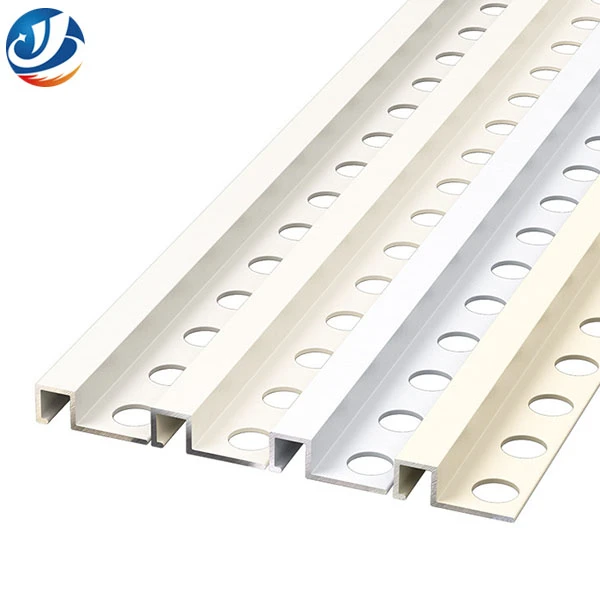

- Avoid Harsh Chemicals: When cleaning the area around the trims, avoid using harsh chemicals or abrasive cleaners. These can damage the surface of the aluminium and cause it to lose its shine. Instead, use a mild detergent and a soft cloth to clean the trims.
- Regular Inspections: Periodically inspect the trims for any signs of damage, such as scratches, dents, or loose sections. If any damage is detected, address it promptly to prevent further deterioration.
At our company, we offer a wide range of high - quality aluminium tile trims, including L Shaped Aluminium Edging Strip, Aluminum Tile Edge Round, and Aluminium L Shaped Trim. Our trims are designed to meet the highest standards of quality and durability. If you're in the process of a tile installation project or considering one, we invite you to contact us for a consultation. We can provide you with the right products and expert advice to ensure a successful installation. Whether you're a contractor, a DIY enthusiast, or a designer, we're here to help you make the most of your tile project.
References
- "Aluminium Installation Best Practices," Tile Suppliers Association, 2022.
- "A Guide to Working with Aluminium in Construction," Construction Materials Institute, 2021.
- "Tile Trim Installation Manual," Aluminium Manufacturers Association, 2023.