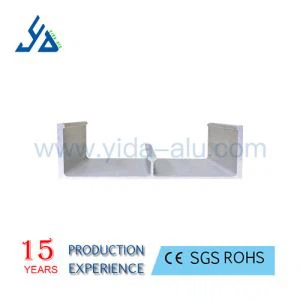
Hey there! As a supplier of Aluminium Angle Trim, I've seen firsthand how versatile and useful this product can be. Aluminium angle trim is a great way to add a finishing touch to different surfaces, protecting edges and giving a professional look. In this blog, I'll share with you the installation methods for aluminium angle trim on various surfaces.


Installation on Wood Surfaces
Wood is a common surface where aluminium angle trim is used. Whether it's for a DIY project or a professional woodworking job, here's how you can install it.
First, you'll need to measure the length of the edge where you want to install the trim. Make sure to cut the aluminium angle trim to the right size using a hacksaw. You can also use a miter saw for a more precise cut, especially if you're working on corners.
Once you've got the right length, it's time to prep the wood surface. Sand the edge lightly to ensure a smooth finish. This will help the trim adhere better.
There are a couple of ways to attach the trim to the wood. One option is using nails. You can use small finish nails and a nail gun. Make sure to space the nails evenly along the trim, about every 6 - 8 inches. Another option is using adhesive. There are special wood adhesives available in the market. Apply the adhesive to the back of the trim and press it firmly onto the wood edge. Hold it in place for a few minutes until the adhesive starts to set.
If you're looking for a high - quality anodized finish, check out our Anodised Aluminium Angle Trim. It not only looks great but also provides extra protection against corrosion.
Installation on Concrete Surfaces
Concrete surfaces are a bit more challenging when it comes to installing aluminium angle trim. But with the right tools and methods, it can be done.
Start by cleaning the concrete edge thoroughly. Remove any dirt, dust, or debris. This will ensure that the trim adheres properly.
To attach the trim to the concrete, you'll need to use some kind of fastener. One popular option is using concrete screws. First, drill pilot holes into the concrete using a masonry drill bit. The size of the drill bit should match the size of the screws.
Once the holes are drilled, place the aluminium angle trim over the edge and insert the screws. Tighten them using a screwdriver or a drill. Make sure the screws are tightened enough to hold the trim in place but not so much that they damage the trim.
Another option is using construction adhesive. Apply the adhesive to the back of the trim and press it firmly onto the concrete edge. You may need to use some clamps to hold the trim in place while the adhesive dries. This can take a few hours, so be patient.
Our Aluminium Angle Extrusion is a great choice for concrete surfaces. It's strong and durable, able to withstand the harshness of concrete environments.
Installation on Metal Surfaces
Installing aluminium angle trim on metal surfaces is a bit different. The main concern here is making sure the trim doesn't corrode due to the contact with other metals.
First, clean the metal surface to remove any grease, oil, or rust. You can use a degreaser and a wire brush for this.
If you're using a metal that's compatible with aluminium, you can use rivets to attach the trim. Drill holes in both the trim and the metal surface. Then, insert the rivets and use a rivet gun to secure them.
If you don't want to use rivets, you can also use a metal - specific adhesive. Apply the adhesive to the back of the trim and press it onto the metal edge. Make sure to follow the manufacturer's instructions for the adhesive, as different adhesives have different drying times.
For a unique and stylish option, take a look at our Aluminum Arc Extenar Conas Edge Strips. They can add a modern touch to your metal surfaces.
Installation on Plastic Surfaces
Plastic surfaces are relatively easy to work with when it comes to installing aluminium angle trim.
Start by cleaning the plastic edge to remove any dirt or dust. You can use a mild soap and water solution.
To attach the trim, you can use a plastic - friendly adhesive. Apply the adhesive to the back of the trim and press it onto the plastic edge. Hold it in place for a few minutes until the adhesive sets.
Another option is using small plastic clips. These clips can be inserted into the trim and then attached to the plastic surface. This method is great if you want to be able to remove the trim later.
Tips for a Successful Installation
- Always wear safety gear, such as gloves and safety glasses, when cutting and installing the trim.
- Take your time to measure and cut the trim accurately. A good fit will make the installation look better.
- If you're working on a large project, test the installation method on a small area first to make sure it works well.
Why Choose Our Aluminium Angle Trim
We offer a wide range of aluminium angle trim products. Our trims are made from high - quality aluminium, which is strong, lightweight, and corrosion - resistant. We have different finishes and sizes available to meet your specific needs. Whether you're working on a small DIY project or a large commercial job, we've got the right trim for you.
If you're interested in purchasing our aluminium angle trim, we'd love to have a chat with you. We can discuss your requirements, provide you with a quote, and answer any questions you might have. Just reach out to us, and let's start the conversation.
References
- Woodworking Installation Guides from local hardware stores
- Concrete and Metal Installation Manuals from fastener manufacturers
- Plastic Adhesive Product Information Sheets