

If you’ve ever stood back and admired a sleek, modern building that seems to balance strength with lightness, chances are Aluminium Round Tubes played a behind-the-scenes role in its design. For over a decade, I’ve worked as a direct supplier of aluminum round tubes, and I’ve watched these products evolve from a niche alternative to steel or wood into a go-to material for architects, contractors, and builders across residential, commercial, and industrial construction projects. What makes aluminum round tubes stand out isn’t just their round shape—it’s the unique combination of properties that solve long-standing construction challenges, from weight limits to corrosion. In this post, I’ll break down the key advantages of using aluminum round tubes, share real-world examples from projects I’ve supplied, and link to specific tube types tailored to different construction needs.
First, let’s start with the most obvious but impactful advantage: their exceptional strength-to-weight ratio. Construction teams are constantly navigating tight limits—whether it’s the load a roof can support, the weight of materials that can be lifted to a upper floor, or the overall structural mass that prevents a building from shifting on its foundation. Traditional materials like steel are strong, but they’re heavy. A solid steel tube of the same diameter as an aluminum round tube would weigh nearly three times as much, adding unnecessary stress to beams, supports, and even the crane used to lift it. For example, last year I supplied Aluminium Alloy Round Tubes (available at /aluminum-tube/aluminium-round-tube/aluminium-alloy-round-tube.html) for a small apartment complex in downtown Portland, where the architect had to keep structural loads low to comply with the city’s historic district guidelines. The alloy tubes we provided offered a tensile strength of up to 42,000 psi—comparable to mild steel—but weighed just 2.7 pounds per foot for a 2-inch diameter, vs. 7.8 pounds per foot for the same size steel tube. That weight savings cut the crane time for roof framing by two hours, and reduced the total structural load by over 15,000 pounds, which meant the foundation didn’t need extra concrete footings—saving the client an estimated $12,000 in materials and labor. This strength-to-weight balance isn’t just a win for cost; it’s a critical safety factor in high-wind or seismic zones, where reducing structural mass can lower the risk of building damage during extreme weather.
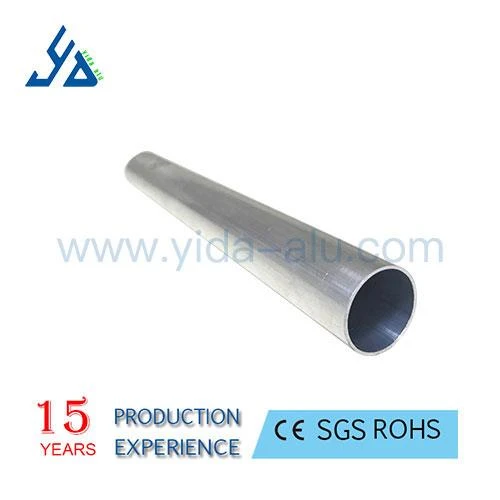
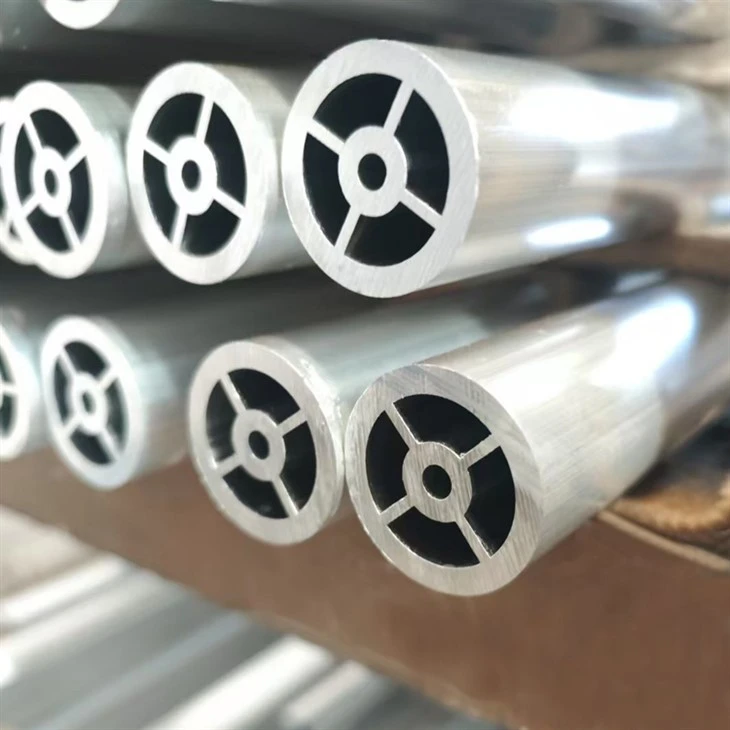
Next, corrosion resistance is a game-changer for construction, especially in areas with harsh environments like coastal regions, high humidity, or industrial zones. Steel rusts when exposed to moisture, salt air, or pollutants, which means contractors have to invest in expensive coatings, regular maintenance, and even replacement parts every 10 to 15 years. Aluminum, on the other hand, forms a thin, natural oxide layer when it’s exposed to air—this layer is self-healing, so if it’s scratched or dented, it immediately reforms without any additional treatment. That’s a huge benefit for buildings in places like Miami, where saltwater from hurricanes is a constant threat. I recently worked on a beachfront condo project that had been using steel railings and balcony supports, only to find rust spots within two years of installation. They switched to our Aluminum Hollow Round Tubes (available at /aluminum-tube/aluminium-round-tube/aluminum-hollow-round-tube.html) which have no hollow areas that trap moisture, so there’s nowhere for corrosion to start. Now, three years later, those tubes look exactly the same as the day they were installed, with no chipped paint, rust streaks, or structural degradation. The client saved over $50,000 in maintenance costs over those three years, and they project the tubes will last 50+ years with minimal upkeep. This resistance also means less waste—corroded steel has to be scrapped and replaced, but aluminum round tubes can be recycled at the end of their life without losing any of their properties, making them a more sustainable choice too.
Flexibility in design and customization is another advantage that sets aluminum round tubes apart. Architects today want buildings that are visually distinctive as much as structurally sound, and aluminum’s malleability makes it easy to shape, cut, and fabricate into almost any form. Unlike steel, which requires heavy machinery and extensive welding to adjust, aluminum can be cut with standard saws, bent with basic tools, and extruded into custom profiles to fit specific design needs. For example, a few months ago, I supplied Extruding Circular Aluminium Tubes (available at /aluminum-tube/aluminium-round-tube/extruding-circular-aluminium-tubes.html) for a modern office building in Chicago that needed curved balcony railings. The extruded tubes allowed us to create smooth, uniform curves without weakening the material, which would have been much harder with steel. We also offered custom finishes—powder coating in a matte black that matched the building’s facade—and the installation team was able to assemble the railings 30% faster than they would have with steel, because the tubes fit together with simple press-fit connectors instead of complex welds. Even for more functional elements, like roller shutters, aluminum round tubes are ideal. Aluminium Roller Shutter Tubes (available at /aluminum-tube/aluminium-round-tube/aluminium-roller-shutter-tube.html) are lightweight but rigid, so they can roll up and down smoothly without warping, which is critical for storefronts and warehouses that need secure, easy-to-operate shutters. The round shape also eliminates sharp edges, making them safer to handle during installation and less likely to catch on debris.
Cost efficiency over the long term is probably the most underrated advantage of aluminum round tubes. When I first started in this industry, I thought steel was cheaper upfront, but over time, that changed as I saw how much maintenance steel required. Let’s break it down: a 20-foot steel tube might cost $150, while a comparable aluminum round tube costs $200—so at first glance, aluminum is more expensive. But when you factor in corrosion-related maintenance, replacement, and labor, the numbers shift dramatically. For a 10,000-square-foot warehouse with steel support beams, you might spend $2,000 a year on sandblasting, painting, and repairing rust spots. With aluminum round tubes, that annual cost drops to less than $200—just a quick wash to keep the finish looking good. Over 20 years, that’s a difference of $36,000, which is more than the initial extra cost of aluminum. Plus, aluminum is 100% recyclable—when a building is demolished, aluminum round tubes can be melted down and reused in new products, whereas steel has lower recyclability rates and often requires more energy to process. In an era where construction companies are focusing on circular economy practices, that recyclability is a big selling point. I’ve had several clients tell me that choosing aluminum round tubes helped them earn LEED points for their projects, which can make the building more attractive to tenants and buyers.
Durability and fire resistance are two non-negotiable factors in construction, and aluminum round tubes excel here too. Unlike wood, which is flammable and rots, or even some types of plastic composite materials, aluminum doesn’t burn. It has a melting point of over 1,200 degrees Fahrenheit, which means it won’t contribute to a fire’s spread, making it a safer choice for structural elements, wall framing, and even decorative features in commercial buildings with strict fire codes. Last year, I supplied aluminum round tubes for a school renovation in Houston, where local fire codes require non-combustible materials for all interior structural components. The tubes we provided met NFPA 701 standards, and their lightweight design made them easy to install in the school’s narrow hallways without disrupting classes. Another project I worked on was a large warehouse in Arizona, where extreme temperatures (over 110 degrees Fahrenheit in summer) can warp or weaken some materials. Aluminum round tubes hold their structural shape and strength even in high heat, whereas plastic tubes might bend or crack, and steel can expand and contract enough to cause alignment issues in long spans. That stability is critical for warehouses that store sensitive goods, or for buildings in areas with extreme temperature fluctuations.
Of course, not all aluminum round tubes are the same, and choosing the right type for your project is key. For projects that need extra strength and durability in harsh environments, Aluminium Alloy Round Tubes are the best choice, as they’re engineered with specific blends of aluminum and other metals (like magnesium or copper) to boost tensile strength and corrosion resistance. For applications where moisture or debris could get trapped inside a hollow shape, Aluminum Hollow Round Tubes offer a solid or semi-hollow design that prevents water buildup. If you need a custom shape or profile, Extruding Circular Aluminium Tubes let you create exactly the dimensions and curves you need, without sacrificing strength. For roller shutters, gates, or other moving parts, Aluminium Roller Shutter Tubes are lightweight yet rigid, ensuring smooth operation for years. And for curved architectural features, Aluminium Half Round Tubes (available at /aluminum-tube/aluminium-round-tube/aluminium-half-round-tube.html) provide the perfect semi-circular shape that’s both aesthetically pleasing and structurally sound.
As a supplier, I’ve spent years working closely with architects and contractors to match the right aluminum round tube to their specific project needs. I’ve seen first-hand how these tubes can solve problems that traditional materials can’t—from reducing structural loads in seismic zones to cutting maintenance costs in coastal areas, to creating sleek, modern designs that meet a client’s vision. If you’re working on a construction project and considering aluminum round tubes, or if you want more information about the different types I offer, I’d be happy to help you navigate the options, provide custom quotes, or walk you through how these tubes can benefit your project. Whether you’re building a small residential deck, a large commercial office, or an industrial warehouse, aluminum round tubes are a versatile, durable, and cost-effective choice that will stand the test of time. Get in touch to discuss your requirements and see how our aluminum round tubes can elevate your next construction project.
References
- Aluminum Association. (2022). Aluminum in Construction: Properties and Applications. Retrieved from aluminum.org
- National Fire Protection Association. (2021). NFPA 701: Standard Methods of Fire Tests for Flame Propagation of Textiles and Films. Quincy, MA: NFPA.
- American Society of Civil Engineers. (2020). Strength-to-Weight Ratios of Construction Materials. Reston, VA: ASCE.
- U.S. Green Building Council. (2023). LEED v4.1 Building Design and Construction Credits. Washington, DC: USGBC.


