When I first started selling aluminium round tubes over a decade ago, I used to get asked this question at least once a week: “Will these tubes rust?” It’s a fair question, honestly—most of us grow up with steel, where rust is an inevitable nuisance, something that needs sanding, painting, or replacing every few years. So when customers switch to aluminium, they carry that same expectation of corrosion, but here’s the thing: aluminium is a different animal entirely. Today, I want to break down exactly how corrosion-resistant aluminium round tubes are, what affects their performance, and how we, as a supplier, ensure our products hold up even in the harshest environments.
Let’s start with the basics. Corrosion, for any metal, is basically the metal reacting with its environment to form a new compound—usually an oxide, which for steel is that flaky, orange rust we all know. For aluminium, though, that oxide layer is nothing like rust. When pure aluminium is exposed to oxygen (and let’s be real, most of the air we breathe has plenty of it), a thin, invisible layer of aluminium oxide forms on its surface almost instantly. This layer is only a few nanometers thick, but it’s hard, dense, and adhesive—it sticks to the underlying metal instead of flaking off. That’s the key difference. Steel rust flakes away, exposing fresh metal to more corrosion, but aluminium’s oxide seals the surface, stopping further reactions. So in their natural state, aluminium round tubes are already corrosion-resistant—way more than steel, for that matter.
But here’s where it gets a bit more nuanced. Not all aluminium is the same, and not all environments are the same. The alloy you use matters a lot. Pure aluminium (like 1100 series) is soft and highly corrosion-resistant, but it’s not great for structural applications. Most of the round tubes we supply are made from alloys like 6061 or 6063, which have small amounts of magnesium and silicon added for strength. These alloys still form that protective oxide layer, but their performance can shift a bit depending on the mixture. For example, 6061 is a workhorse alloy, used in everything from bike frames to truck parts, and it’s corrosion-resistant enough for outdoor use, even in moderate industrial areas. 6063, which is more malleable and often used for extrusion, is also highly corrosion-resistant, making it perfect for products like window frames or decorative trim.
Then there’s the environment. If you put an aluminium round tube in a dry, indoor space like an office or a home, it’ll probably last decades without any noticeable corrosion. I’ve got a 6063 aluminium round tube railing that’s been outside on my back porch for seven years now—no rust, no pitting, just a slight dulling from UV light. But if you take that same tube and submerge it in saltwater, or leave it constantly exposed to chemicals like those found in some industrial cleaners, you might run into a problem called galvanic corrosion. That happens when aluminium is in contact with a more noble metal (like steel or copper) in the presence of an electrolyte (like saltwater). The aluminium becomes the anode in the electrochemical reaction, so it starts to corrode faster. That’s not a flaw in aluminium itself—it’s a matter of choosing the right materials for the job. At our company, we always make sure to tell customers about this, and we can supply tubes with additional finishes to counteract that.
Speaking of finishes, that’s where we can push the corrosion resistance even further. Our standard aluminium round tubes come with a natural oxide layer, but we offer options like anodizing or powder coating that add an extra barrier. Anodizing is a process where we thicken the oxide layer artificially—we can make it 10 to 100 times thicker than the natural layer, and it can be dyed any color you want. That not only looks great but also provides excellent protection against scratches and chemicals. We recently helped a customer in the marine industry source anodized 6061 round tubes for boat railings—they’ve been in saltwater for three years, and not a single spot of corrosion. Powder coating is another popular choice: it’s a dry powder applied electrostatically, then cured into a hard, durable finish. It’s great for outdoor furniture, storefront displays, anything that needs to look good and stand up to the elements. I can’t tell you how many times customers have come back saying their powder-coated round tubes look as good as the day they installed them, even after five years in the sun.
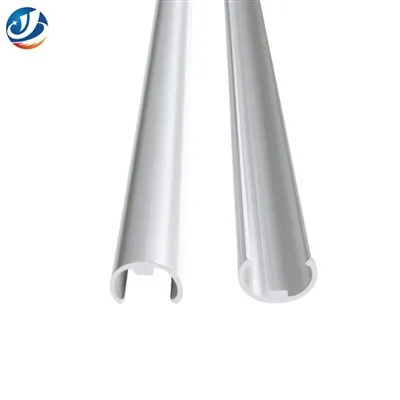
Now, let’s talk about some of the specific products we offer as part of our aluminium round tube line, because I know a lot of you might be wondering how these general corrosion-resistance facts apply to the types of tubes we supply. For example, our C-type semicircular aluminium profile is a unique shape often used in architectural trim and solar panel frames. Its curved design means less surface area exposed to direct moisture, which helps the oxide layer stay intact longer—perfect for commercial building projects where longevity is key. Then there’s the aluminium roller shutter tube, which has to withstand constant opening and closing, as well as exposure to rain and snow. The alloy we use for these tubes is formulated to be both flexible and corrosion-resistant, so it doesn’t crack when rolled up and down, even in cold, damp weather. We also offer aluminium flat sided oval tube, a popular choice for automotive parts and exercise equipment. Its flat sides make it easier to attach components, and its oval shape reduces drag, but the aluminium material means it won’t rust if it gets caught in a rainstorm on a job site.
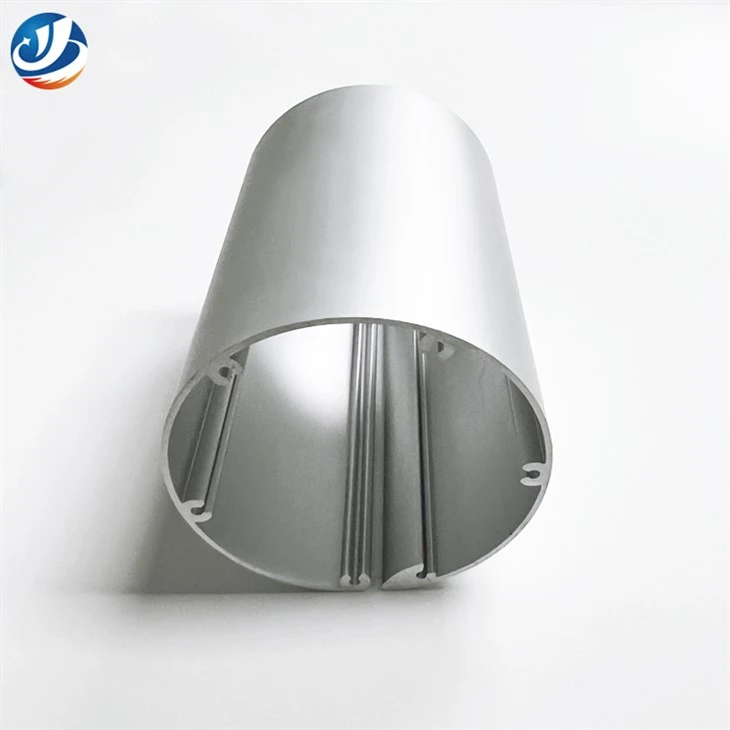
We also have oval aluminum extrusion, which is extruded (not drawn, like some cheaper tubes) for consistent wall thickness and shape. Extruded tubes have a more uniform oxide layer because the process doesn’t leave any sharp edges or surface imperfections—those imperfections are where corrosion can start, even on aluminium. And our multi-channel round aluminium profile is designed with internal channels for wiring or fluid transfer; the enclosed channels mean the inside is protected from the elements, so even in harsh environments, the only surface exposed is the exterior, which we treat with a corrosion-resistant finish. All of these products, at their core, are aluminium round tubes (or variations that start from round extrusion), so they all benefit from that natural oxide protection.
I should also address a common misconception: some people think aluminium corrodes “just as bad” as other metals because it develops a white powdery residue. That residue is aluminium hydroxide, often called “aluminium rust,” but it’s not like steel rust. It’s a very thin layer that actually slows down further corrosion by keeping moisture out. In fact, in some cases, that white residue is a sign that the protective layer is working—if it wasn’t there, the metal would be corroding from the inside out. I’ve seen this happen with old aluminium patio furniture: it’s a bit dull and white, but it’s still structurally sound, while a nearby steel chair is completely rusted through.
So, what about the caveats? If you’re using aluminium round tubes in a highly acidic or alkaline environment (like near a chemical plant, or in a pool with very high chlorine levels), you’ll need to take extra steps. At our company, we can supply tubes with a specialized coating, like a fluoropolymer finish, that’s resistant to those harsh chemicals. We also recommend avoiding direct contact with other metals unless you use a dielectric separator—this is a thin material that prevents the electrochemical reaction I mentioned earlier. For example, if you’re mounting an aluminium tube to a steel beam, a rubber or plastic washer between them will stop galvanic corrosion. We always provide these tips to every customer, because we want our products to work for them, not just sell them.
Another factor is maintenance. Unlike steel, which needs regular painting and rust treatments, aluminium round tubes are low-maintenance. A simple wipe-down with soap and water is usually enough to keep them looking good. If they do get dirty (like from road salt in the winter), just rinse them off with water—salt sitting on the surface is the only thing that can accelerate corrosion, so cleaning it off is all you need to do. I’ve had customers tell me they forgot they had aluminium tubes on their garden shed until a year later, because they didn’t have to do anything to them. That’s the beauty of it.
Let me share a quick story to illustrate this. A few years back, we supplied a set of aluminium round tubes for a small café’s outdoor awning frame. The café is on a busy street in a coastal town, so it’s exposed to salt air every day. When they installed the tubes, they were shiny and new. Last month, they came to us to order more tubes for a new patio area, and I asked how the original ones were holding up. The owner said, “I haven’t done a thing to them. They still look almost the same as when we put them up. I thought for sure the salt would eat through them in a year, but here we are, three years later.” That’s not an isolated case—coastal areas are some of the harshest environments for metal, and our customers’ aluminium tubes are holding up better than any steel product we could have supplied.
Now, I know some of you might be looking at this and thinking, “But aluminium is more expensive than steel.” It’s true, upfront cost is higher, but when you factor in maintenance, replacement costs, and longevity, aluminium often ends up being cheaper in the long run. A steel tube might cost less initially, but if it rusts out in five years, you’re paying for replacement and labor. An aluminium tube will last 20, 30, even 50 years with minimal upkeep. For many businesses, that’s a no-brainer.
At our company, we don’t just sell aluminium round tubes—we educate our customers. We tell them the truth about corrosion, about alloys, about finishes, because we want them to make the best choice for their project. If you’re working on something that needs to stand the test of time, whether it’s a railing, a frame, a component, or something else entirely, our team can help you pick the right tube. We have all the products I mentioned earlier, and more—check out our C-type semicircular aluminium profile, aluminium roller shutter tube, aluminium flat sided oval tube, oval aluminum extrusion, and multi-channel round aluminium profile for more details.
If you’re still not sure, or if you have specific questions about your project’s environment, feel free to reach out to us for a consultation. We don’t pressure anyone to buy—we just want to make sure you get a product that works for you. Corrosion resistance is a big part of why aluminium round tubes are such a popular choice, but it’s not the only reason—they’re lightweight, strong, easy to work with, and aesthetically pleasing. But let’s be honest, knowing they’re going to hold up without rust is a huge relief, especially for outdoor or industrial projects.
In summary: Aluminium round tubes are naturally corrosion-resistant because of their protective oxide layer. The alloy you choose and the environment they’re in affect how well they perform, but with the right selection (and maybe a finish), they can handle almost anything from dry indoor spaces to coastal or moderate industrial areas. They’re not 100% immune to corrosion, but they’re way more resistant than steel, require less maintenance, and last longer. That’s why we’ve been supplying them for over a decade, and that’s why our customers keep coming back.
If you’re ready to discuss your aluminium round tube needs, or want more information about our specific profiles, don’t hesitate to contact our team for a procurement consultation. We’re here to help you find the right product for your project, with the corrosion resistance and quality you can count on.

References
- Davis, J.R. (Ed.). (2001). Corrosion: Understanding the Basics. ASM International.
- Scully, J.R., Silverman, D.C., & Kendig, M.W. (2002). Corrosion of Aluminium and its Alloys. Woodhead Publishing.
- Shreir, L.L., Jarman, R.A., & Burstein, G.T. (Eds.). (1994). Corrosion, 3rd Edition. Butterworth-Heinemann.
- American Society for Testing and Materials (ASTM). (2019). Standard Guide for Corrosion Tests of Aluminium and Aluminium Alloys (G161-19).