If you’ve ever walked a construction site, you know the quiet crunch of aluminum beams being hauled, the hush of a formwork system locking into place, and the long shadow that “cost” casts over every decision contractors make. As a supplier of formwork aluminum beams, I field this question every single day: Are our beams worth the upfront investment, or should teams stick to cheaper, disposable alternatives like timber beams? Short answer: For most projects, yes—they’re not just a splurge. They’re a long-term cost-saving workhorse that solves pain points no other formwork material can touch. But let’s break this down properly, because the “cost-effective” label doesn’t just mean what you pay at the register. It means counting every dollar that flows in and out of a formwork system over its entire life.
First, let’s get one myth out of the way: Aluminum formwork beams aren’t the cheapest option when you get a single quote. Timber beams, for example, might run $2 to $5 per linear foot, vs. $12 to $18 per linear foot for comparable aluminum. But that’s like comparing a one-off fast-food meal to a 12-month grocery stockpile—short-term, timber looks better; long-term, the math shifts dramatically. Here’s where the numbers get real: aluminum beams have a usable life of 50 to 100 years if maintained correctly. Timber? Even the best pressure-treated beams rarely last more than 10 years in regular, harsh construction use, and they’re often done after just 2 to 3 reuses. Steel beams? They’re heavy, prone to rust, and scratch concrete surfaces, so their lifespan is also far shorter than aluminum, with higher maintenance costs.
Let’s talk about reuse, because that’s where the biggest savings hide. On a mid-rise residential project, a typical contractor might need 1,000 linear feet of formwork beams. With timber, that’s one-time use for that project—each beam is cut to size, then either hauled to a landfill or sold at a deep discount for small DIY jobs after the build wraps. For a contractor who does three or four mid-rise builds a year, that’s 3,000 to 4,000 linear feet of timber beams bought annually, with almost no resale value left. For aluminum beams? That same 1,000 linear feet can be used for 50+ projects, adjusted slightly for height or span, and then resold to another contractor when you’re done with it. I’ve seen a set of aluminum beams that a client used on 62 different builds over 30 years—they still hold their load capacity perfectly. When you factor in the cost of buying new beams every year, that’s $10,000 to $20,000 a year saved on timber, vs. a one-time $15,000 investment in aluminum that pays for itself in its first two projects.
Another often-overlooked win: labor time and safety, which are two of the biggest hidden costs on construction sites. Aluminum is 50% lighter than steel, and far stiffer than timber. A single worker can lift a 20-foot aluminum beam without heavy machinery, vs. timber beams that take two people to carry safely, or steel beams that require a crane and rigging crew. On a 10-story building, that adds up to hours saved every day on beam placement, alignment, and tear-down. Our clients tell us labor costs for formwork go down by 15 to 20% when switching from timber to aluminum beams—no overtime required for heavy lifting, no extra crew to move loads, and less time spent repairing damaged beams mid-project. Safety is another angle: timber splinters easily, can crack under pressure, and rots if left exposed to rain. Aluminum is corrosion-resistant, doesn’t splinter, and has a uniform strength rating, so workers don’t have to worry about a beam snapping halfway through a pour. Less time on injuries, less time dealing with damaged materials, that’s more money back in your pocket.
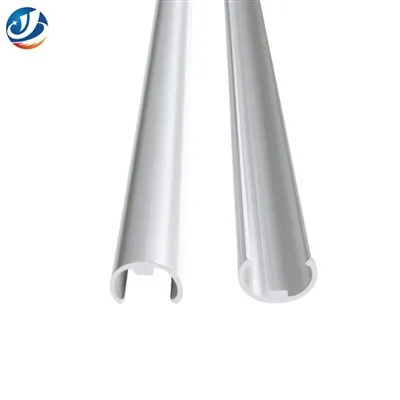
Wait, but what about other aluminum products that might mix into your formwork system? As a supplier, we often work with contractors who complement their formwork beams with aluminum extrusions for track or rail use—things like slide tracks for formwork panels, or support rails for adjustable bracing. If you’re not familiar, extruded aluminum profiles are perfect for these parts because they’re lightweight, consistent, and can be cut to exact sizes for your project. For example, Aluminum Rail Track is a staple in many formwork setups, letting you adjust panel height without re-drilling or rebuilding supports. Extruded Aluminum Profile Track takes that a step further, with a grooved design that keeps panels aligned perfectly during concrete pours, eliminating gaps that lead to uneven concrete and extra finishing work. Even smaller parts like Aluminum Track Profile or Curtain Track Aluminum Profiles (used for sliding formwork access panels) are durable enough to last for hundreds of uses, so you don’t have to replace these small, often overlooked components every project. One thing to note: all these track and profile products are made from the same high-grade aluminum as our formwork beams, so they wear at the same rate—meaning your entire formwork system works as a single, long-lasting unit, not one that breaks down after a few projects. That’s why we often point contractors to pages like Aluminium Track Extrusions when they’re building out a full formwork setup, to make sure every part is compatible and built to last.
Now, let’s address the big caveat: upfront logistics and storage costs. Aluminum beams take up about the same amount of space as timber, but because they’re rigid (no warping over time), you can stack them higher and more neatly in a yard or warehouse. Timber beams, by contrast, warp, twist, and take up more space once they’re damaged, so storage costs can be 10 to 15% higher for timber over a year. Plus, you don’t have to treat aluminum beams—timber needs regular preservative treatments to prevent rot and insect damage, which adds material cost and labor every 1 to 2 years. For contractors who work in wet climates, that treatment cost alone can add up to thousands of dollars a year. Another point: when you’re done with aluminum beams, you can recycle them for 90% of their original value. Aluminum is infinitely recyclable, so even at the end of its 100-year life, you can sell it to a scrap yard for 80 to 90 cents a pound, vs. timber that costs money to haul to a landfill and has almost no residual value. That means your investment in aluminum isn’t a sunk cost—it’s an asset you can liquidate at any time if you need to free up capital for another project.
Let’s run a real-world example to make this concrete. Say a small contractor, BuildRight, does 4 residential mid-rise builds a year, each needing 800 linear feet of beams. Here’s their cost breakdown over 5 years:
-
Timber Beams: 800 linear feet per build x 4 builds/year x 5 years = 16,000 linear feet. At $3 per linear foot average timber cost, that’s $48,000. Tear-down, disposal, and labor add another $12,000, bringing total cost to $60,000 over 5 years. Resale value for used timber? $0. After 5 years, BuildRight has nothing to show for their $60k investment, and they’re buying more beams next year.


-
Aluminum Beams: 800 linear feet, one-time investment at $15 per linear foot = $12,000. Storage, minor maintenance, and 2 extra hours of labor per build = $2,500 over 5 years. Total cost: $14,500. After 5 years, BuildRight can resell their aluminum beams for 80% of original value, so $9,600. That means their net cost over 5 years is just $4,900. That’s a 92% lower cost than timber.
That math isn’t a fluke—it’s the result of aluminum’s inherent properties. Stiffness means less material is wasted on repairs, light weight means labor savings, durability means no annual purchases. Even on smaller projects, like a 10-unit apartment building, aluminum beams will pay for themselves in 1 or 2 builds, vs. timber that takes 3+ builds just to break even.
Of course, aluminum isn’t perfect for every job. If you’re doing a one-off small job, like a backyard shed or a basement addition that needs only 100 linear feet of formwork, the upfront cost might not make sense. The reuse benefit only kicks in when you have multiple projects lined up, and if you’re a new contractor who doesn’t have space to store beams, aluminum might not be the best first investment. But for most professional contractors, developers, and general contractors who are doing 5+ projects a year, the long-term savings are undeniable.
Another point to consider: concrete finish quality. Aluminum beams have a smooth, non-porous surface that doesn’t react with concrete, so the finished concrete is cleaner, with fewer blemishes that need sanding or patching. Timber, by contrast, leaves small splinters and wood fibers in concrete, which means extra finishing work, and sometimes even structural issues if those fibers aren’t removed. Aluminum’s uniform strength also means fewer issues with uneven settlement during concrete pours, which reduces callbacks and warranty work. For developers, callback costs can eat 5 to 10% of project profits, so reducing that is a huge long-term win.
I’ve seen this firsthand with a regular client of mine, a construction company that focuses on 20- to 30-story apartment buildings. 7 years ago, they made the switch from timber to aluminum beams, and their lead foreman told me last year that the switch saved them over $120,000 in labor, material, and callback costs in that time. They now only use aluminum for all their formwork, and they even rent out extra beams to smaller contractors during slow periods, adding another revenue stream. That’s the kind of return most material options can’t match.
If you’re still weighing the pros and cons, don’t just take my word for it. Industry data from the Formwork Association of North America finds that aluminum formwork systems (including beams) have a 35% lower total cost of ownership over 10 years than timber formwork, and a 20% lower cost than steel. That data backs up the numbers I see every day as a supplier.
At the end of the day, “cost-effective” isn’t about the initial price tag. It’s about all the costs that add up over the life of a product: how many times you can use it, how much labor it saves, how much maintenance it needs, and what you can get for it when you’re done. Formwork aluminum beams check every box. They’re an investment that pays for itself quickly, reduces labor and safety risks, and lasts longer than any other formwork material out there.
If you’re ready to stop throwing money away on disposable formwork and start building a system that works for you for decades, reach out to our team to discuss your project needs, get a customized quote, and learn how we can help you maximize your long-term savings.
References:
- Formwork Association of North America. (2023). Total Cost of Ownership for Formwork Materials.
- Aluminum Extruders Council. (2022). Lifecycle Analysis of Architectural and Construction Aluminum Products.
- Construction Industry Institute. (2021). Labor Efficiency in Formwork Systems.
- National Ready Mixed Concrete Association. (2020). Concrete Surface Finish Quality and Form Material Compatibility.