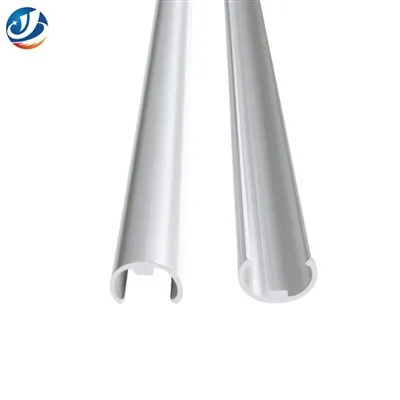
As a supplier of CNC aluminium profiles, I am often asked about the recyclability of these products. In this blog post, I will delve deep into the topic of whether CNC aluminium profiles can be recycled, exploring the process, benefits, and implications of recycling these materials.
The Recyclability of Aluminium
Aluminium is one of the most recyclable materials on the planet. It can be recycled indefinitely without losing its inherent properties. This characteristic makes it a highly sustainable choice for various industries, including manufacturing, construction, and transportation. The recycling process of aluminium is also relatively energy - efficient compared to primary aluminium production.
Primary aluminium production involves extracting aluminium from bauxite ore through a complex and energy - intensive process called electrolysis. This process requires a significant amount of electricity and generates a large amount of greenhouse gas emissions. On the other hand, recycling aluminium only uses about 5% of the energy required for primary production. This reduction in energy consumption not only saves costs but also has a positive impact on the environment by reducing carbon emissions.
CNC Aluminium Profiles and Recycling
CNC (Computer Numerical Control) aluminium profiles are made from aluminium through a precision machining process. These profiles are used in a wide range of applications, from architectural structures to electronic enclosures. But can these CNC - machined aluminium profiles be recycled? The answer is a resounding yes.
Once a CNC aluminium profile reaches the end of its useful life, it can be collected and recycled. The recycling process typically starts with the collection of scrap aluminium profiles. This scrap is then sorted based on its alloy composition and other characteristics. After sorting, the scrap is melted in a furnace at high temperatures. During the melting process, impurities are removed, and the aluminium is refined to a high - quality state.
The molten aluminium can then be cast into new ingots or other forms. These new aluminium products can be used to manufacture everything from new CNC aluminium profiles to other aluminium - based products. This closed - loop recycling system ensures that the aluminium is reused, reducing the demand for primary aluminium and minimizing waste.
Benefits of Recycling CNC Aluminium Profiles
There are several benefits to recycling CNC aluminium profiles. Firstly, from an environmental perspective, recycling aluminium helps to conserve natural resources. As mentioned earlier, the primary production of aluminium requires large amounts of bauxite ore, which is a non - renewable resource. By recycling aluminium profiles, we can reduce the need for mining new bauxite and preserve these precious resources for future generations.
Secondly, recycling aluminium profiles has significant economic advantages. The energy savings associated with recycling translate into lower production costs. For manufacturers, this can lead to more competitive pricing for their products. Additionally, the recycling industry creates jobs in collection, sorting, melting, and manufacturing processes.
Thirdly, recycling aluminium profiles can enhance a company's corporate social responsibility (CSR) image. In today's environmentally conscious market, consumers and businesses are increasingly looking for sustainable products. By promoting the recyclability of their CNC aluminium profiles, suppliers can attract more customers who value environmental sustainability.
Challenges in Recycling CNC Aluminium Profiles
While the recyclability of CNC aluminium profiles is well - established, there are some challenges in the recycling process. One of the main challenges is the presence of contaminants in the scrap. CNC aluminium profiles may have coatings, paints, or other substances on their surfaces. These contaminants need to be removed before the aluminium can be recycled effectively. This removal process can be complex and may require additional energy and resources.
Another challenge is the alloy composition of the aluminium profiles. Different alloys have different properties, and recycling them requires careful sorting and processing. If the alloys are not properly sorted, the quality of the recycled aluminium may be compromised.
The Role of Suppliers in Promoting Recycling
As a supplier of Aluminum Cnc Machining Parts, Cnc Aluminium Parts, and Cnc Small Aluminum Parts, I play a crucial role in promoting the recycling of CNC aluminium profiles.
We can educate our customers about the recyclability of our products and provide guidance on how to recycle them properly. For example, we can offer information on local recycling facilities and the best practices for preparing the scrap for recycling.
In addition, we can work with recycling companies to ensure that the scrap aluminium profiles are recycled in an efficient and environmentally friendly manner. By collaborating with these partners, we can contribute to the development of a more sustainable recycling ecosystem.
Conclusion
In conclusion, CNC aluminium profiles can indeed be recycled, and the recycling process offers numerous environmental, economic, and social benefits. As a supplier, I am committed to promoting the recycling of our products and working towards a more sustainable future.
If you are interested in purchasing high - quality CNC aluminium profiles or have any questions about their recyclability, please feel free to contact us for a purchase negotiation. We are more than happy to assist you in finding the right products for your needs.


References
- "Aluminium Recycling: A Global Perspective" by International Aluminium Institute.
- "Sustainable Manufacturing and Recycling of Aluminium Alloys" by Journal of Sustainable Metallurgy.
- "The Environmental Impact of Aluminium Production and Recycling" by Environmental Science and Technology.