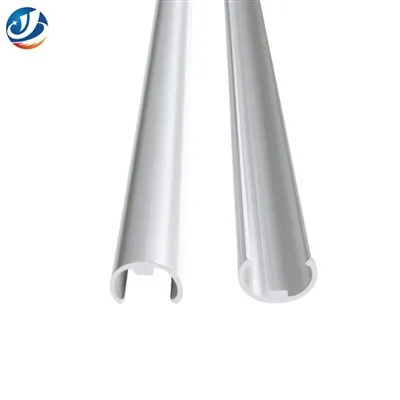
Aluminium tile trims are a popular choice in the construction and interior design industries due to their versatility, durability, and aesthetic appeal. One of the key considerations when selecting tile trims is their resistance to chemicals. In this blog post, we'll explore the chemical resistance of aluminium tile trims, drawing on scientific knowledge and industry experience as a leading Aluminium Tile Trims supplier.
The Basics of Aluminium and Chemical Resistance
Aluminium is a highly reactive metal, but it forms a thin, protective oxide layer when exposed to air. This oxide layer, known as aluminium oxide (Al₂O₃), acts as a barrier that prevents further oxidation and provides a certain level of protection against chemical attack. The thickness and integrity of this oxide layer play a crucial role in determining the chemical resistance of aluminium tile trims.
Factors Affecting Chemical Resistance
1. Chemical Composition of the Aluminium Alloy
Different aluminium alloys have varying levels of chemical resistance. For example, alloys with higher levels of copper or magnesium may have different corrosion resistance properties compared to pure aluminium. As a supplier, we offer a range of aluminium tile trims made from different alloys to meet the specific needs of our customers. These alloys are carefully selected to provide optimal performance in various chemical environments.
2. Surface Treatment
Surface treatments can significantly enhance the chemical resistance of aluminium tile trims. Anodizing is a common surface treatment method that thickens the natural oxide layer on the aluminium surface, providing better protection against chemicals. Powder coating is another popular option, which not only adds a decorative finish but also acts as a barrier against chemical corrosion. Our Powder Coated Brown L Shape Tile Trim is an example of a product with enhanced chemical resistance due to its powder coating.
3. Environmental Conditions
The chemical resistance of aluminium tile trims can also be affected by the environment in which they are used. Factors such as temperature, humidity, and the presence of specific chemicals can all impact the performance of the trims. For instance, in a high - humidity environment, the risk of corrosion may increase, especially if the trims are exposed to chemicals that can break down the protective oxide layer.
Testing the Chemical Resistance of Aluminium Tile Trims
To ensure the quality and chemical resistance of our products, we conduct a series of tests. These tests simulate different chemical environments and conditions to evaluate how the trims will perform over time.
Immersion Tests
In immersion tests, samples of our aluminium tile trims are immersed in various chemical solutions for a specified period. The solutions may include acids, alkalis, and salts, which are commonly found in different industrial and domestic settings. After the immersion period, the samples are examined for signs of corrosion, such as pitting, discoloration, or loss of material.


Spray Tests
Spray tests are used to simulate the exposure of the trims to chemical mists or splashes. The samples are sprayed with a fine mist of the chemical solution, and the effects are observed over time. This test is particularly relevant for applications where the trims may be exposed to occasional chemical splashes, such as in a laboratory or a chemical processing plant.
Applications and Chemical Resistance Requirements
Residential Applications
In residential settings, aluminium tile trims are commonly used in bathrooms, kitchens, and other areas. The chemical exposure in these environments is typically limited to household cleaning agents, such as mild detergents and soaps. Our aluminium tile trims are designed to withstand these common chemicals, ensuring long - term durability and appearance. For example, our Aluminum Edging For Tile is suitable for use in residential bathrooms, where it can resist the effects of soapy water and occasional cleaning with mild chemicals.
Commercial and Industrial Applications
In commercial and industrial settings, the chemical exposure can be much more severe. For example, in a food processing plant, the trims may be exposed to acids, alkalis, and sanitizing agents. In a chemical laboratory, they may come into contact with a wide range of corrosive chemicals. For these applications, we offer aluminium tile trims with enhanced chemical resistance, such as those with special coatings or made from high - performance alloys. Our Aluminum Floor Expansion Joint Cover is designed to withstand the harsh chemical environments often found in industrial settings.
Maintenance to Enhance Chemical Resistance
Proper maintenance can also help to enhance the chemical resistance of aluminium tile trims. Regular cleaning with mild detergents and water can remove any chemical residues that may accumulate on the surface. Avoid using abrasive cleaners or tools that can damage the protective oxide layer or the coating. If the trims are exposed to harsh chemicals, they should be rinsed thoroughly with water as soon as possible to minimize the risk of corrosion.
Conclusion
In conclusion, aluminium tile trims generally have a good resistance to chemicals, thanks to the protective oxide layer and the option of surface treatments. However, the actual chemical resistance depends on several factors, including the alloy composition, surface treatment, and the specific chemical environment. As a supplier, we are committed to providing high - quality aluminium tile trims that meet the diverse chemical resistance requirements of our customers.
If you are in the market for aluminium tile trims and have specific chemical resistance needs, we invite you to contact us for more information. Our team of experts can help you select the right product for your application and provide detailed technical support. Whether you are working on a residential project or a large - scale commercial or industrial installation, we have the solutions to meet your needs.
References
- ASM Handbook Volume 13A: Corrosion: Fundamentals, Testing, and Protection
- Aluminum Association Technical Papers on Aluminium Corrosion and Surface Treatments