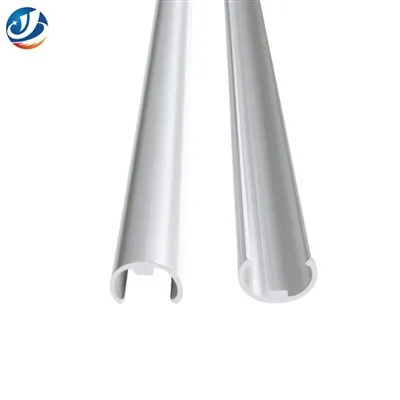
When it comes to choosing skirting boards for your home or commercial space, two popular options that often come into consideration are aluminium skirting boards and glass skirting boards. As an aluminium skirting board supplier, I have in - depth knowledge of both products and can offer a detailed comparison to help you make an informed decision.
1. Aesthetic Appeal
Aluminium skirting boards offer a modern and sleek look. Their metallic finish gives a contemporary touch to any room. You can find them in various colors, including silver, black, and gold. The Brushed Aluminium Skirting Board has a unique texture that adds a bit of sophistication. It can blend well with different interior design styles, whether it's minimalist, industrial, or high - tech.
On the other hand, glass skirting boards provide a more transparent and elegant look. They can create an illusion of more space in a room, especially in smaller areas. Glass skirting boards are available in clear, frosted, or colored options. Clear glass can give a very open and airy feel, while frosted glass offers a bit of privacy and a softer look.
2. Durability
Aluminium is a highly durable material. It is resistant to corrosion, scratches, and dents. This makes aluminium skirting boards ideal for high - traffic areas such as hallways, commercial spaces, and kitchens. They can withstand the daily wear and tear that comes with regular use. Even in humid environments, aluminium skirting boards won't rust or degrade easily. The Aluminium Profle Skirting is designed to be long - lasting and maintain its appearance over time.
Glass skirting boards, while elegant, are more fragile. They are prone to breakage if hit with a hard object. In a busy household or a commercial setting with a lot of movement, there is a higher risk of glass skirting boards getting damaged. However, if the installation is done correctly and the area is not prone to impacts, glass skirting boards can last a long time.
3. Installation
Aluminium skirting boards are relatively easy to install. They are lightweight, which makes handling and positioning them much simpler. Most aluminium skirting boards come with pre - drilled holes for easy attachment to the wall. You can use screws or adhesive to secure them in place. This means that even those with limited DIY skills can install aluminium skirting boards without much hassle. The Wall Skirting is designed for straightforward installation.
Glass skirting boards require more careful installation. They need to be cut to the right size accurately, and the edges need to be polished to prevent injury. Since glass is heavy and fragile, it often requires professional installation. Special brackets and adhesives are needed to ensure that the glass skirting boards are securely attached to the wall.


4. Maintenance
Maintaining aluminium skirting boards is a breeze. You can simply wipe them clean with a damp cloth and a mild detergent. They don't require any special cleaning products or treatments. Over time, if they get dirty, a quick clean will restore their original shine.
Glass skirting boards, however, need more attention. They are prone to fingerprints and smudges, which can be quite visible. Regular cleaning with a glass cleaner is necessary to keep them looking their best. Also, any chips or cracks in the glass need to be addressed immediately to prevent further damage.
5. Cost
In general, aluminium skirting boards are more cost - effective. The raw material cost of aluminium is relatively low compared to glass. Additionally, the ease of installation means that you can save on labor costs if you choose to install them yourself.
Glass skirting boards are usually more expensive. The cost of the glass itself, along with the professional installation required, can add up. However, if you are looking for a high - end and unique look for your space, the investment in glass skirting boards might be worth it.
6. Safety
Aluminium skirting boards are a safe option. They don't have sharp edges that can cause injury, and there is no risk of breakage like with glass. In a family home with children or in a commercial space with a lot of foot traffic, aluminium skirting boards provide a secure and reliable solution.
Glass skirting boards pose a safety risk if they break. The broken glass can cause cuts and injuries. Special safety glass can be used to reduce this risk, but it still remains a concern, especially in high - traffic areas.
7. Sound Insulation
Aluminium skirting boards can offer some level of sound insulation. They can help to reduce the noise that travels along the floor and up the wall. This can be beneficial in both residential and commercial settings, especially in areas where noise reduction is important.
Glass skirting boards, on the other hand, do not provide significant sound insulation. In fact, they can sometimes amplify sound due to their reflective properties.
8. Environmental Impact
Aluminium is a highly recyclable material. At the end of its life cycle, aluminium skirting boards can be recycled and reused, which makes them an environmentally friendly choice.
Glass is also recyclable, but the recycling process for glass is more energy - intensive compared to aluminium. Additionally, if glass skirting boards break during use, they may end up in landfills instead of being recycled.
In conclusion, both aluminium and glass skirting boards have their own advantages and disadvantages. If you are looking for a durable, cost - effective, and easy - to - maintain option, aluminium skirting boards are a great choice. They are suitable for a wide range of applications and can enhance the aesthetic appeal of your space. On the other hand, if you want a high - end, elegant look and are willing to invest in professional installation and more careful maintenance, glass skirting boards might be the right option for you.
If you are interested in purchasing aluminium skirting boards for your project, I encourage you to get in touch for a detailed discussion. We can provide you with samples, discuss your specific requirements, and offer competitive pricing. Let's work together to find the perfect skirting solution for your space.
References
- "Building Materials Handbook" - A comprehensive guide on different building materials including aluminium and glass.
- "Interior Design Trends" - A publication that provides insights into the latest trends in interior design, including the use of skirting boards.