

When it comes to tile installations, the choice of tile trims is a crucial decision that can significantly impact the overall look, durability, and functionality of the project. Two popular options in the market are aluminium tile trims and stainless - steel tile trims. As a supplier of aluminium tile trims, I'll provide an in - depth comparison of these two types of trims to help you make an informed decision.
Appearance
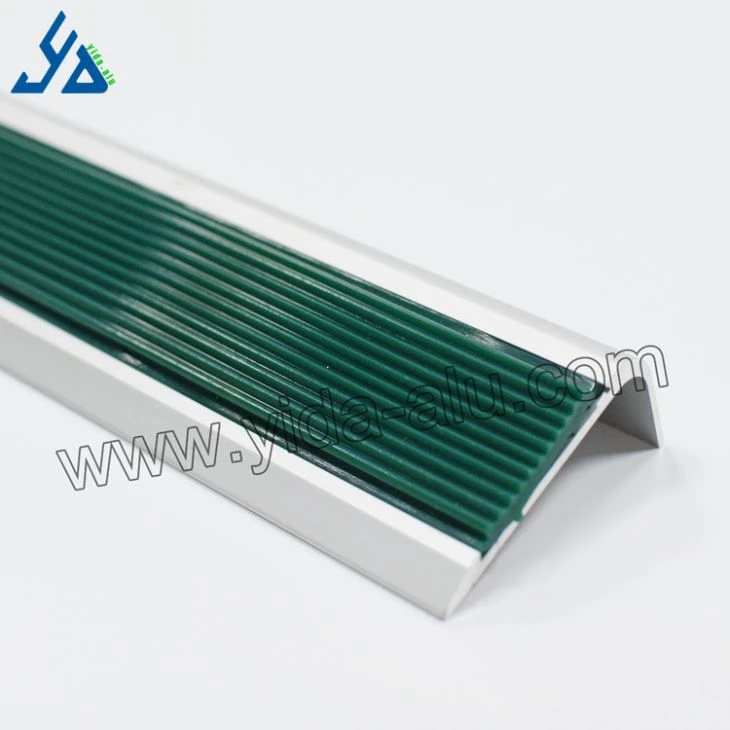
One of the first aspects people consider is the appearance of the tile trims. Aluminium tile trims offer a sleek and modern look. Aluminium can be easily anodized, which means it can be treated to have a durable finish in a variety of colors. For example, our Anodized Aluminum Stair Nosing comes in different anodized finishes, providing flexibility in matching the existing decor or creating a bold contrast.
On the other hand, stainless - steel tile trims have a classic and timeless appearance. Stainless steel has a natural silver - gray sheen that exudes sophistication. It gives a high - end look, especially in commercial or contemporary settings. However, the color options for stainless - steel are relatively limited compared to aluminium. While you can find brushed or polished stainless - steel finishes, the color palette is restricted to variations of silver and gray.
Weight
Weight is an important factor, especially in large - scale tile installation projects. Aluminium is a lightweight metal. This makes it easier to handle during installation, reducing the physical strain on installers. Less weight also means that it is easier to transport and store. As a result, shipping costs may be lower compared to stainless - steel tile trims. Our Aluminium Quadrant Trim is lightweight and easy to install, which can save both time and labor costs on the job site.
Stainless - steel, in contrast, is much heavier. The density of stainless steel makes it more cumbersome to work with. Installers may need more effort to position and secure stainless - steel tile trims, and additional support may be required in some cases. This can lead to increased labor costs and potentially more complex installation processes.
Corrosion Resistance
Both aluminium and stainless - steel have good corrosion resistance, but they achieve this in different ways. Aluminium forms a natural oxide layer when exposed to air, which acts as a protective barrier against corrosion. This oxide layer can be further enhanced through anodizing. Our Anodised Aluminium Edge Protection Profile has an anodized finish that provides excellent corrosion resistance, making it suitable for use in wet areas such as bathrooms and kitchens.
Stainless steel contains chromium, which forms a passive film on the surface. This film prevents oxygen and moisture from reaching the metal, thus protecting it from rust and corrosion. Stainless - steel tile trims are highly resistant to harsh environments, including exposure to chemicals, saltwater, and high humidity. However, in some cases, if the stainless - steel is of low quality or has imperfections in the passive film, it may still be prone to corrosion over time.
Cost
Cost is often a determining factor in choosing tile trims. Aluminium tile trims are generally more cost - effective than stainless - steel tile trims. The raw material cost of aluminium is lower, and the manufacturing process for aluminium tile trims is also relatively less expensive. As a supplier, we can offer a wide range of Aluminum Tile Trim Profile at competitive prices. This makes aluminium a great choice for budget - conscious projects without sacrificing quality.
Stainless - steel tile trims, due to the higher cost of the raw material and the more complex manufacturing process, are typically more expensive. While they offer excellent durability and a high - end look, the price may be a limiting factor for some projects.
Machinability
Machinability is important when it comes to customizing tile trims for specific installation requirements. Aluminium is highly machinable. It can be easily cut, drilled, bent, and shaped to fit various tile edges and corners. This makes it ideal for custom projects where unique shapes and sizes are needed. Our Aluminum Edging For Tile can be easily modified on - site to ensure a perfect fit.
Stainless steel is more difficult to machine. It requires specialized tools and more force to cut and shape. This can increase the time and cost of custom - made stainless - steel tile trims. For projects where customization is not a major requirement, stainless - steel can still be a great option, but for those with complex design needs, aluminium may be the better choice.
Installation
Aluminium tile trims are generally easier to install. Their lightweight nature and good machinability mean that installers can work more quickly. They can be easily attached to the tile surface using adhesives or mechanical fasteners. The flexibility of aluminium also allows it to conform to slightly uneven surfaces, reducing the need for extensive surface preparation.
Stainless - steel tile trims, because of their weight and stiffness, may require more precise installation. They need to be properly aligned and fixed securely to ensure a professional finish. In some cases, additional support or reinforcement may be necessary during installation, which can add to the complexity and time of the project.

Durability
Both aluminium and stainless - steel tile trims are durable, but their durability can vary depending on the application. Aluminium tile trims are strong enough for most residential and commercial applications. With proper anodizing and finishing, they can withstand normal wear and tear. However, in extremely harsh environments with high - impact forces or heavy traffic, they may be more prone to dents and scratches compared to stainless - steel.
Stainless - steel tile trims are extremely durable. They can withstand high - impact forces, heavy traffic, and harsh chemicals without significant damage. They are often used in high - traffic areas such as commercial kitchens, hospitals, and public buildings where durability is of utmost importance.
In conclusion, the choice between aluminium tile trims and stainless - steel tile trims depends on several factors, including appearance, weight, corrosion resistance, cost, machinability, installation, and durability. Aluminium tile trims offer a lightweight, cost - effective, and customizable solution, while stainless - steel tile trims provide a classic, high - end, and extremely durable option.
If you are considering a tile installation project and are interested in learning more about our aluminium tile trims or have questions about the comparison between aluminium and stainless - steel tile trims, feel free to reach out. We would be delighted to assist you in making the best choice for your project.
References
- Smith, J. (2020). "Materials for Tile Installations: A Comprehensive Guide". Tile Industry Press.
- Brown, A. (2019). "Comparative Analysis of Metal Tile Trims". Construction Materials Journal.


