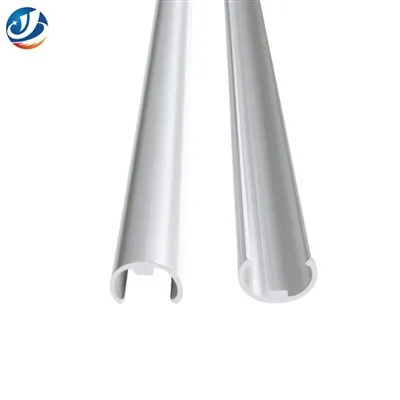
When embarking on a tiling project, one often overlooks the significance of aluminium tile trims. These seemingly minor components play a crucial role in the overall aesthetics and functionality of your tiled surfaces. As a trusted Aluminium Tile Trims supplier, I understand the challenges that come with choosing the right trims for your specific project. In this blog, I'll guide you through the essential factors to consider, ensuring that you make an informed decision.
Understanding the Importance of Aluminium Tile Trims
Aluminium tile trims are not just decorative elements; they serve several practical purposes. Firstly, they protect the edges of your tiles from chipping and damage, extending the lifespan of your tiled installation. Secondly, they provide a neat and professional finish to your project, enhancing the overall appearance of the space. Additionally, aluminium trims can help to cover any gaps or inconsistencies between tiles, creating a seamless and polished look. Given these benefits, it's clear that choosing the right aluminium tile trims is essential for the success of your project.
Material and Finish
One of the first considerations when choosing aluminium tile trims is the material and finish. Aluminium is a popular choice due to its durability, lightweight nature, and corrosion resistance. However, not all aluminium trims are created equal. The quality of the aluminium can vary, and some may be more resistant to scratches and wear than others.
When it comes to finishes, there are several options to choose from. Anodized finishes are a popular choice as they provide an extra layer of protection and come in a variety of colors. For a more natural look, you might consider a brushed or polished finish. Each finish has its own unique characteristics, so it's important to choose one that complements the style of your tiles and the overall design of your project. You can explore our Anodised Aluminium Tile Trim Edging for a wide range of anodized options.
Type of Trim
The type of trim you choose will depend on the specific requirements of your project. There are several common types of aluminium tile trims, each designed for a different purpose.
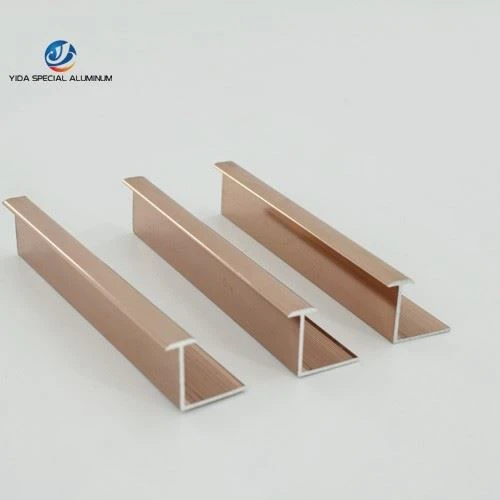

- Edge Trims: These are used to finish the exposed edges of tiles, providing a clean and professional look. Edge trims can be straight, rounded, or bullnose, depending on the style you prefer.
- Expansion Joint Covers: Expansion joints are necessary to allow for the natural expansion and contraction of tiles due to temperature changes. Floor Expansion Joint Covers are designed to cover these joints, preventing dirt and debris from accumulating and ensuring a smooth transition between tiles.
- Corner Trims: Corner trims are used to finish the corners of tiled surfaces, providing a strong and attractive edge. They come in a variety of angles and styles to suit different corner configurations.
- Threshold Trims: Threshold trims are used to create a transition between different types of flooring or between a tiled area and a non-tiled area. They can help to prevent tripping hazards and provide a neat and professional finish.
Size and Dimensions
The size and dimensions of the aluminium tile trims are also important considerations. The width and height of the trim should be compatible with the thickness of your tiles. If the trim is too narrow or too wide, it may not fit properly, resulting in an uneven and unprofessional look. Additionally, the length of the trim should be sufficient to cover the entire edge or joint of your tiled area.
When measuring for your trims, it's important to be as accurate as possible. Measure the length of each edge or joint and add a little extra to account for any cutting errors. If you're unsure about the correct size and dimensions, don't hesitate to contact our team of experts for assistance.
Color and Style
The color and style of the aluminium tile trims should complement the color and style of your tiles and the overall design of your project. For a contemporary look, you might consider choosing a trim in a bright or bold color. Alternatively, for a more traditional or classic look, a neutral color such as silver or white may be more appropriate.
In addition to color, the style of the trim can also have a significant impact on the overall appearance of your project. Some trims feature decorative elements such as grooves or patterns, while others have a more minimalist design. Choose a style that matches the aesthetic of your space and enhances the beauty of your tiles.
Compatibility with Tiles
It's essential to ensure that the aluminium tile trims you choose are compatible with your tiles. Different types of tiles have different surface textures and compositions, and some trims may not adhere properly or may cause damage to certain types of tiles.
Before making a purchase, check the manufacturer's guidelines to ensure that the trims are suitable for use with your specific tiles. If you're unsure, you can always request a sample of the trim and test it on a small area of your tiles to see how it performs.
Budget
As with any home improvement project, budget is an important consideration when choosing aluminium tile trims. The cost of the trims can vary depending on the material, finish, type, size, and brand. While it's important to choose high-quality trims that will last, you also don't want to overspend.
Set a budget for your trims and look for options that offer the best value for money. You may be able to find discounted or clearance items, or you can compare prices from different suppliers to get the best deal. Remember, investing in quality trims now can save you money in the long run by preventing damage to your tiles and reducing the need for future repairs.
Installation
Finally, consider the installation process when choosing aluminium tile trims. Some trims may require special tools or techniques for installation, while others can be easily installed by DIY enthusiasts.
If you're planning to install the trims yourself, make sure you have the necessary skills and tools. Follow the manufacturer's instructions carefully and take your time to ensure a proper installation. If you're not confident in your abilities, it's always a good idea to hire a professional installer.
Conclusion
Choosing the right aluminium tile trims for your project is a crucial step in ensuring a successful and beautiful tiled installation. By considering factors such as material and finish, type of trim, size and dimensions, color and style, compatibility with tiles, budget, and installation, you can make an informed decision that meets your specific needs and preferences.
As an Aluminium Tile Trims supplier, we are committed to providing high-quality products and excellent customer service. If you have any questions or need further assistance in choosing the right trims for your project, please don't hesitate to contact us. We look forward to working with you to bring your vision to life.
References
- “Guide to Tile Trim Selection.” Tile Association.
- “Aluminium Extrusions Handbook.” Aluminium Association.