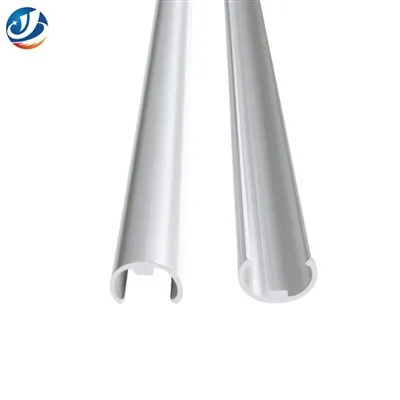
As a seasoned supplier of Aluminium Tile Trims, I understand that accurate measurement is the cornerstone of a successful tiling project. Whether you're a professional contractor or a DIY enthusiast, getting the measurements right can save you time, money, and a great deal of frustration. In this blog, I'll share some practical tips and techniques on how to measure for aluminium tile trims effectively.
Understanding the Types of Aluminium Tile Trims
Before you start measuring, it's essential to familiarize yourself with the different types of aluminium tile trims available. Each type serves a specific purpose and may require different measurement methods. Here are some common types of aluminium tile trims:
- Metal Stair Nosing Edge Trim: This type of trim is designed to protect the edges of stairs and provide a safe and aesthetically pleasing finish. You can find more information about it here.
- Aluminium 90 Degree Corner Trim: Ideal for covering sharp corners and creating a clean, professional look. For details on this trim, click here.
- Powder Coated L Shape Tile Trim: The L-shaped design is perfect for finishing the edges of tiles and providing a neat transition between different surfaces. Check out our range here.
Tools You'll Need
To ensure accurate measurements, you'll need the following tools:
- Tape measure: A good quality tape measure with both metric and imperial units is essential.
- Pencil and paper: To record your measurements and any notes.
- Square: This will help you ensure that your corners are perfectly 90 degrees.
- Protractor (optional): If you're working with angled corners, a protractor can be useful for measuring the exact angle.
Measuring Straight Edges
Measuring straight edges is relatively straightforward. Follow these steps:
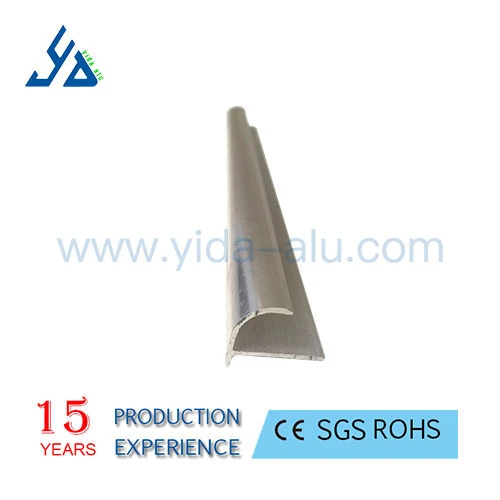

- Clean the surface: Remove any dirt, debris, or old trim from the edge where the new trim will be installed.
- Measure the length: Use your tape measure to measure the length of the straight edge. Make sure to measure from end to end, including any gaps or recesses.
- Add a little extra: To account for any cutting errors or adjustments, it's a good idea to add an extra 1-2 inches to your measurement.
- Record the measurement: Write down the measurement on your paper, making sure to note the units (meters, feet, etc.).
Measuring Corners
Measuring corners requires a bit more precision, especially if you're using 90-degree corner trims. Here's how to do it:
- Check the angle: Use your square to check that the corner is exactly 90 degrees. If it's not, you may need to make adjustments or use a different type of trim.
- Measure each side: Measure the length of each side of the corner, starting from the intersection and moving outwards. As with straight edges, add an extra 1-2 inches to each measurement.
- Cut the trim: Once you have your measurements, you can cut the aluminium tile trim to fit the corner. You can use a hacksaw or a power saw for this task, but make sure to wear appropriate safety gear.
Measuring Angled Edges
If you're working with angled edges, such as on a staircase or a curved wall, you'll need to use a protractor to measure the angle. Here's how:
- Identify the angle: Use your protractor to measure the angle of the edge. Make sure to place the protractor accurately on the surface and align it with the edge.
- Measure the length: Use your tape measure to measure the length of the angled edge, following the same process as for straight edges.
- Choose the right trim: Some aluminium tile trims are designed to be flexible and can be bent to fit angled edges. Make sure to choose the right type of trim for your project.
Measuring for Irregular Shapes
Irregular shapes can be a bit more challenging to measure, but with a little patience and creativity, you can get accurate measurements. Here's a general approach:
- Break it down: Divide the irregular shape into smaller, more manageable sections, such as straight lines and curves.
- Measure each section: Measure each section separately using the appropriate techniques for straight edges, corners, or angled edges.
- Add up the measurements: Once you have measured all the sections, add up the measurements to get the total length of trim needed.
Tips for Accurate Measurement
- Measure twice, cut once: This age-old saying applies to measuring for aluminium tile trims as well. Double-check your measurements before cutting the trim to avoid costly mistakes.
- Use a level: A level can help you ensure that your measurements are straight and accurate, especially when working on large surfaces.
- Account for tile thickness: When measuring for tile trims, make sure to take into account the thickness of the tiles. This will ensure that the trim fits properly and provides a seamless finish.
- Seek professional advice: If you're unsure about how to measure for a particular type of trim or if you're working on a complex project, don't hesitate to seek professional advice. Our team of experts is always available to help you with your measurement needs.
Conclusion
Measuring for aluminium tile trims is a crucial step in any tiling project. By following the tips and techniques outlined in this blog, you can ensure that your measurements are accurate and that your trim fits perfectly. Remember, when it comes to choosing the right aluminium tile trims for your project, our extensive range offers a variety of options to suit your needs. Whether you're looking for Metal Stair Nosing Edge Trim, Aluminium 90 Degree Corner Trim, or Powder Coated L Shape Tile Trim, we've got you covered.
If you're ready to take the next step and start your project, we invite you to contact us for procurement and further discussions. Our team is eager to assist you in finding the perfect aluminium tile trims for your specific requirements.
References
- Tile Installation Handbook.
- Aluminium Extrusions: A Comprehensive Guide.
- Practical Measuring Techniques for Construction Projects.