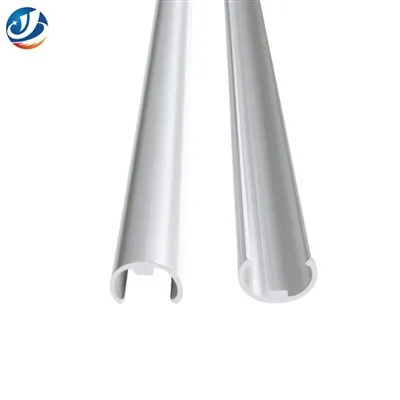
As a supplier of extruded aluminum shapes, ensuring the uniformity of our products is super important. Uniformity not only affects the look of the aluminum shapes but also their performance and functionality. In this blog, I'll share some of the key steps and strategies we use to make sure our extruded aluminum shapes are as uniform as possible.
Raw Material Selection
The first step in ensuring uniformity starts with the raw materials. We source high - quality aluminum alloys from reliable suppliers. Different alloys have different properties, and we carefully choose the ones that are best suited for the specific application of the extruded shapes. For example, if we're making Aluminum Truck Side Steps, we need an alloy that's strong and corrosion - resistant.
Before using the raw materials, we conduct thorough quality checks. We test the chemical composition of the aluminum to make sure it meets our standards. Any deviation in the chemical makeup can lead to variations in the extrusion process and the final product. We also check for physical defects like cracks or impurities in the billets, as these can cause problems during extrusion and result in non - uniform shapes.
Extrusion Process Control
The extrusion process is where the magic happens, but it's also where a lot of things can go wrong if not properly controlled.
Die Design and Maintenance
The die is the heart of the extrusion process. It's what gives the aluminum its shape. We work with experienced die designers to create dies that are precise and well - engineered. The die needs to have a uniform cross - section and smooth surfaces to ensure that the aluminum flows evenly through it.
Regular maintenance of the dies is crucial. Over time, the dies can wear out, get damaged, or accumulate debris. We have a strict maintenance schedule in place. After a certain number of extrusions, we take the dies out for cleaning, inspection, and repair if necessary. This helps to keep the die in good condition and ensures consistent extrusion results.
Temperature Control
Temperature plays a huge role in the extrusion process. If the temperature is too low, the aluminum may not flow properly through the die, leading to incomplete fills and non - uniform shapes. On the other hand, if the temperature is too high, the aluminum can become too soft and may deform or develop surface defects.
We use advanced temperature control systems to monitor and adjust the temperature of the billet, the die, and the extrusion press. We keep a close eye on the temperature throughout the process and make real - time adjustments as needed. This helps to ensure that the extrusion conditions are consistent and that the aluminum shapes come out uniform.
Speed and Pressure Regulation
The speed at which the aluminum is extruded and the pressure applied during the process also affect uniformity. If the extrusion speed is too fast, the aluminum may not have enough time to fill the die properly, resulting in thin or uneven sections. If the pressure is too low, the aluminum may not be forced through the die with enough force, leading to incomplete shapes.
We use sophisticated control systems to regulate the speed and pressure of the extrusion press. These systems are programmed to maintain a constant speed and pressure based on the specific requirements of the product. This way, we can ensure that each extruded shape is consistent in terms of its dimensions and properties.
Quality Inspection
Even with strict process control, it's still important to conduct thorough quality inspections. We have a multi - stage inspection process in place.
In - process Inspection
During the extrusion process, we perform regular in - process inspections. Our operators visually inspect the extruded shapes as they come out of the press. They look for any obvious defects like surface scratches, dents, or unevenness. We also use measuring tools to check the dimensions of the shapes at regular intervals. If any issues are detected, we can make immediate adjustments to the process to correct them.
Final Inspection
Once the extruded shapes are complete, they go through a final inspection. We use a combination of manual and automated inspection methods. For manual inspection, our quality control team checks the shapes for surface finish, color consistency, and any remaining defects. We also use precision measuring instruments like calipers and micrometers to measure the dimensions of the shapes and compare them to the design specifications.
Automated inspection systems, such as laser scanners and vision systems, are also used to detect any hidden defects or dimensional variations that may not be visible to the naked eye. These systems can quickly and accurately scan the entire length of the extruded shape and provide detailed reports on its quality.


Post - extrusion Treatment
After extrusion, the aluminum shapes may go through additional treatments like heat treatment, anodizing, or painting. These treatments can also affect the uniformity of the final product.
Heat Treatment
Heat treatment is often used to improve the mechanical properties of the aluminum. However, if not properly controlled, it can cause warping or changes in dimensions. We carefully control the heat treatment process, including the temperature, time, and cooling rate. This helps to ensure that the mechanical properties of the shapes are consistent and that there are no significant dimensional changes.
Surface Finishing
Surface finishing processes like anodizing or painting are used to enhance the appearance and corrosion resistance of the aluminum shapes. We use high - quality finishing materials and follow strict application procedures. For example, when anodizing, we control the bath composition, temperature, and current density to ensure a uniform coating thickness and color across the entire surface of the shape.
Employee Training and Quality Culture
Our employees are our most valuable asset when it comes to ensuring uniformity. We provide comprehensive training to all our employees involved in the extrusion process, from the operators on the shop floor to the quality control inspectors.
The training covers everything from the basics of aluminum extrusion to advanced process control techniques. We also train our employees on how to use the inspection tools and equipment properly. By having well - trained employees, we can ensure that everyone understands the importance of uniformity and knows how to perform their tasks to the highest standards.
We also foster a quality culture within our company. We encourage employees to take pride in their work and to report any issues or potential problems immediately. We have a system in place to reward employees for their contributions to quality improvement. This helps to create a positive environment where everyone is working towards the common goal of producing uniform and high - quality extruded aluminum shapes.
Conclusion
Ensuring the uniformity of extruded aluminum shapes is a complex but achievable goal. By carefully selecting raw materials, controlling the extrusion process, conducting thorough quality inspections, and managing post - extrusion treatments, we can produce consistent and high - quality products. Whether you're in the market for Aluminum Truck Side Steps, TV Frame Component Aluminum Profil, or Aluminum Profile Bathroom Accessories, we're confident that our extruded aluminum shapes will meet your expectations.
If you're interested in purchasing our extruded aluminum shapes, we'd love to have a chat with you. Contact us to discuss your requirements, and let's work together to find the best solutions for your projects.
References
- Aluminum Extrusion Technology Handbook
- Metal Forming Processes and Applications by ASM International
- Journal of Materials Processing Technology (relevant articles on aluminum extrusion)