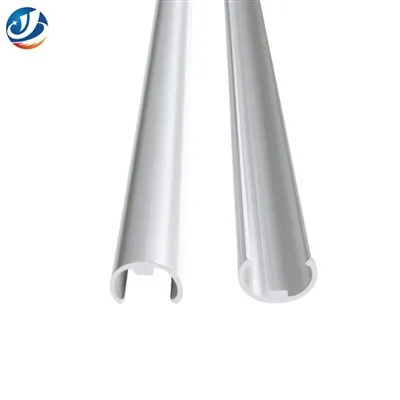
When it comes to interior design, the transition between different floor materials can make or break the overall aesthetic. One common combination is aluminium carpet trim next to hardwood floors. As a leading supplier of Aluminium Carpet Trim, I've witnessed firsthand how this pairing can transform a space. In this blog, I'll explore how aluminium carpet trim looks next to hardwood floors, the benefits it offers, and why it might be the perfect choice for your next project.
Aesthetic Appeal
The first thing that strikes people about aluminium carpet trim next to hardwood floors is the visual contrast it creates. Aluminium has a sleek, modern look that can add a touch of sophistication to any room. Its metallic finish catches the light, creating a subtle sparkle that draws the eye. When paired with the warm, natural tones of hardwood, the result is a harmonious blend of modern and traditional elements.
The clean lines of the aluminium trim also help to define the edges of the carpet, giving it a neat and professional appearance. This is particularly important in high-traffic areas where the carpet can become frayed or damaged over time. The trim acts as a protective barrier, preventing the edges of the carpet from unraveling and keeping it looking fresh and new.
Another advantage of aluminium carpet trim is its versatility. It comes in a variety of colors and finishes, allowing you to choose the one that best complements your hardwood floors and the overall decor of your room. Whether you prefer a classic silver finish or a more bold and colorful option, there's an aluminium carpet trim to suit your style.
Functionality
In addition to its aesthetic appeal, aluminium carpet trim also offers several functional benefits. One of the main advantages is its durability. Aluminium is a strong and lightweight material that can withstand heavy foot traffic and wear and tear. It's also resistant to corrosion, making it a great choice for areas that are prone to moisture, such as bathrooms and kitchens.
The trim also helps to reduce noise and vibration between the carpet and the hardwood floor. This can be particularly beneficial in multi-story buildings or in areas where noise transfer is a concern. By providing a smooth transition between the two surfaces, the trim helps to absorb sound and prevent it from traveling through the floor.
Another functional benefit of aluminium carpet trim is its ease of installation. Unlike other types of trim, which may require special tools or skills to install, aluminium carpet trim can be easily cut and fitted to the desired length. It can also be attached to the floor using adhesive or nails, depending on your preference and the type of flooring you have.
Compatibility with Hardwood Floors
One of the key considerations when choosing aluminium carpet trim for your hardwood floors is compatibility. You want to make sure that the trim you choose will not damage or scratch the hardwood surface. Fortunately, most aluminium carpet trim is designed with a smooth, rounded edge that won't cause any damage to the floor.
It's also important to choose a trim that is the right height for your hardwood floors. If the trim is too high, it may create a tripping hazard or make it difficult to walk over. On the other hand, if the trim is too low, it may not provide enough support for the carpet or may not be visible enough to create a clear transition between the two surfaces.
When installing the trim, it's important to follow the manufacturer's instructions carefully. Make sure that the trim is properly aligned and secured to the floor to prevent it from shifting or coming loose over time. You may also want to consider using a professional installer to ensure that the job is done correctly.


Different Types of Aluminium Carpet Trim
There are several different types of aluminium carpet trim available on the market, each with its own unique features and benefits. Here are some of the most common types:
- Carpet Edge Trim: This type of trim is designed to protect the edges of the carpet and prevent it from fraying. It typically has a U-shaped profile that fits over the edge of the carpet and is attached to the floor using adhesive or nails.
- Aluminium Carpet Cover Strip: This type of trim is used to cover the joint between the carpet and the hardwood floor. It has a flat, rectangular profile that sits on top of the floor and is attached using adhesive or nails.
- Aluminum Carpet Transition Strip: This type of trim is used to create a smooth transition between the carpet and the hardwood floor. It typically has a tapered profile that gradually slopes from the carpet to the hardwood, making it easy to walk over.
Choosing the Right Aluminium Carpet Trim
When choosing aluminium carpet trim for your hardwood floors, there are several factors to consider. Here are some tips to help you make the right choice:
- Style: Consider the overall style of your room and choose a trim that complements it. If you have a modern, minimalist decor, you may want to choose a trim with a sleek, simple design. If you have a more traditional or rustic decor, you may want to choose a trim with a more ornate or decorative design.
- Color: Choose a trim color that matches or complements your hardwood floors and the overall color scheme of your room. You can also choose a trim color that provides a contrast to the hardwood floors for a more dramatic effect.
- Size: Make sure that the trim you choose is the right size for your carpet and hardwood floors. Measure the width and height of the area where you want to install the trim and choose a trim that is the appropriate size.
- Quality: Look for a trim that is made from high-quality materials and is durable and long-lasting. Read reviews and compare different brands to find the best quality trim for your needs.
Installation Tips
Installing aluminium carpet trim is a relatively simple process that can be done by most DIYers. Here are some tips to help you install the trim correctly:
- Prepare the Surface: Before installing the trim, make sure that the surface of the floor is clean, dry, and free of any debris or dust. You may also want to sand the surface lightly to ensure that the adhesive will adhere properly.
- Measure and Cut the Trim: Measure the length of the area where you want to install the trim and cut the trim to the appropriate length using a hacksaw or a metal cutting blade. Make sure that the ends of the trim are cut at a 45-degree angle for a clean, professional look.
- Apply the Adhesive: Apply a thin layer of adhesive to the back of the trim using a trowel or a putty knife. Make sure that the adhesive is evenly distributed and covers the entire surface of the trim.
- Install the Trim: Carefully place the trim on the floor and press it down firmly to ensure that it adheres properly. Use a rubber mallet or a hammer and a block of wood to tap the trim into place and make sure that it is level and flush with the floor.
- Secure the Trim: If necessary, use nails or screws to secure the trim to the floor. Make sure that the nails or screws are driven into the floor at a slight angle to prevent them from coming loose over time.
Conclusion
Aluminium carpet trim is a versatile and stylish option for creating a smooth transition between carpet and hardwood floors. It offers both aesthetic appeal and functional benefits, making it a popular choice for homeowners and designers alike. Whether you're looking to update the look of your home or you're working on a commercial project, aluminium carpet trim is a great choice.
As a supplier of Aluminium Carpet Trim, I'm committed to providing high-quality products and excellent customer service. If you're interested in learning more about our products or if you have any questions, please don't hesitate to contact us. We'd be happy to help you choose the right aluminium carpet trim for your needs and provide you with all the information you need to install it correctly.
References
- Interior Design Magazine
- Flooring Industry Reports
- Manufacturer's Product Guides