

Bending an aluminium round tube without cracking is a skill that many fabricators, DIY enthusiasts, and industry pros strive to master. As an Aluminium Round Tube supplier, I've seen firsthand the challenges and the importance of getting this process right. In this blog post, I'm gonna share some tips and tricks to help you bend aluminium round tubes successfully.
Understanding Aluminium Tubes
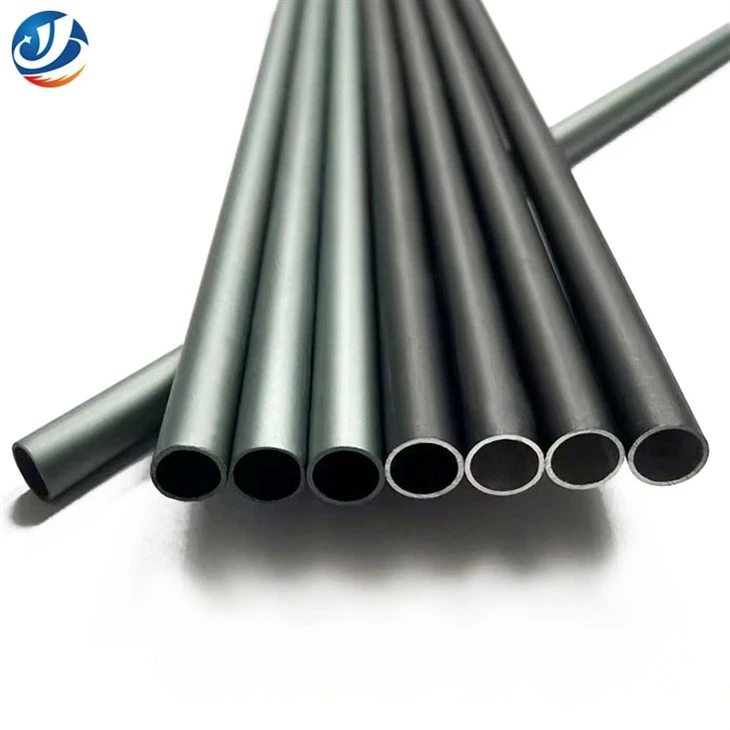
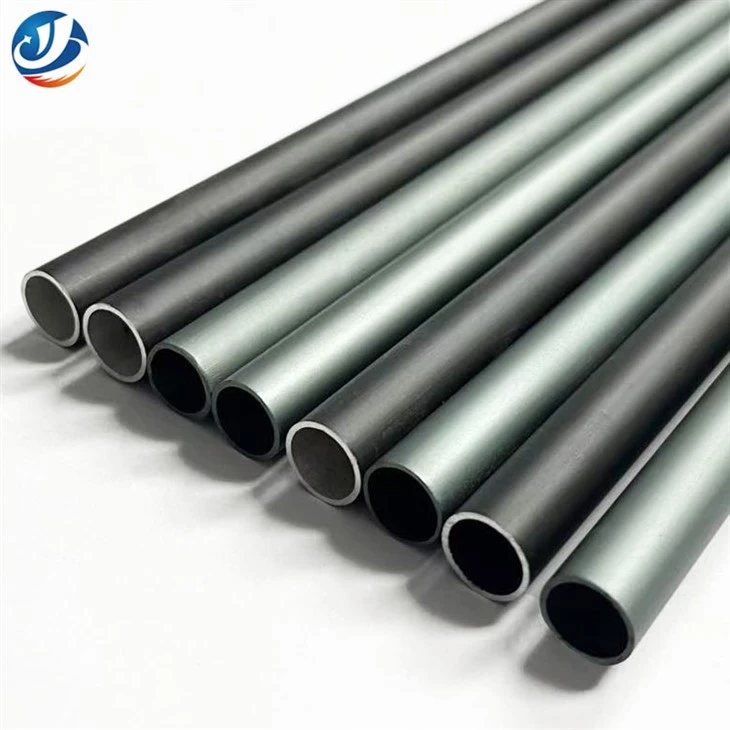
Before we dive into the bending process, it's crucial to understand the material. Aluminium is a popular choice for various applications because of its lightweight, corrosion resistance, and good strength - to - weight ratio. There are different types of aluminium round tubes, such as the Aluminium Alloy Round Tube, which offers enhanced properties depending on the alloy used.
The Extruding Circular Aluminium Tubes process gives the tubes their shape, and the quality of extrusion can affect how well the tube bends. Also, Telescoping Round Aluminum Tubing and Aluminum Hollow Round Tube have their own unique characteristics when it comes to bending. For example, the 6063 Aluminum Oxide Tube is known for its good formability, making it a great option for bending projects.
Choosing the Right Tube for Bending
Not all aluminium round tubes are created equal when it comes to bending. The alloy, temper, and wall thickness play significant roles.
- Alloy: Alloys like 6061 and 6063 are commonly used for bending. They have good formability, which means they can be bent without cracking easily. The 6063 alloy, in particular, is often used for architectural applications where bending is required.
- Temper: The temper of the tube affects its hardness and ductility. A softer temper, like O (annealed), is more ductile and easier to bend. On the other hand, a harder temper, such as T6 (solution heat - treated and artificially aged), is stronger but less ductile, making it more prone to cracking during bending.
- Wall Thickness: Tubes with thinner walls are generally easier to bend than those with thicker walls. However, if the wall is too thin, it may collapse during the bending process. You need to find the right balance based on your specific project requirements.
Tools for Bending Aluminium Round Tubes
There are several tools available for bending aluminium round tubes, and the choice depends on the complexity of the bend, the tube diameter, and the quantity of tubes you need to bend.
- Tube Benders: There are different types of tube benders, such as manual tube benders, hydraulic tube benders, and electric tube benders. Manual tube benders are great for small - scale projects and are relatively inexpensive. Hydraulic and electric tube benders, on the other hand, are more powerful and suitable for larger - diameter tubes and high - volume production.
- Bending Dies: Bending dies are used to shape the tube during the bending process. They come in different radii and sizes to accommodate various tube diameters and bending requirements. Using the right bending die is essential to ensure a smooth and accurate bend without cracking the tube.
- Filling Materials: Sometimes, filling the tube with a material like sand, salt, or a special filling compound can help prevent the tube from collapsing during bending. This is especially useful when bending thin - walled tubes or when making tight bends.
Preparing the Tube for Bending
Proper preparation of the tube is key to a successful bend.
- Cleaning: Make sure the tube is clean and free of any dirt, grease, or debris. This can help prevent scratches on the tube surface during bending and ensure a smooth bend.
- Marking: Mark the tube where you want to make the bend. This will help you position the tube correctly in the tube bender and ensure that you get the desired bend angle.
- Annealing (Optional): If you're working with a tube that has a hard temper and is difficult to bend, you can anneal it. Annealing involves heating the tube to a specific temperature and then slowly cooling it. This process softens the tube and makes it more ductile, reducing the risk of cracking during bending. However, annealing should be done carefully as over - heating can damage the tube.
The Bending Process
Now, let's get into the actual bending process.
- Set Up the Tube Bender: Make sure the tube bender is set up correctly. Install the appropriate bending die for the tube diameter and the desired bend radius. Adjust the settings on the tube bender according to the manufacturer's instructions.
- Insert the Tube: Insert the tube into the tube bender, aligning it with the bending die. Make sure the tube is properly seated and that the marked bend point is in the correct position.
- Apply Pressure Gradually: Start applying pressure to the tube bender slowly. Don't try to bend the tube too quickly, as this can cause cracking. Apply the pressure in a smooth and continuous motion until you reach the desired bend angle.
- Check the Bend: Once you've made the bend, check it for any signs of cracking or deformation. If the bend looks good, you can remove the tube from the tube bender. If there are any issues, you may need to adjust your technique or the settings on the tube bender and try again.
Troubleshooting
Even with the best preparation and techniques, you may encounter some problems during the bending process.
- Cracking: If the tube cracks during bending, it could be due to a variety of reasons. The tube may be too hard, the bend radius may be too small, or the bending process may have been too aggressive. Try annealing the tube, using a larger bend radius, or applying pressure more gradually.
- Collapsing: If the tube collapses during bending, it may be because the wall thickness is too thin or the tube wasn't filled properly. Try using a tube with a thicker wall or filling the tube with a suitable material before bending.
- Inaccurate Bend Angle: If the bend angle is not what you expected, check the settings on the tube bender and make sure the tube was properly aligned. You may also need to adjust the bending technique to get a more accurate bend.
Conclusion
Bending an aluminium round tube without cracking is definitely achievable with the right knowledge, tools, and techniques. As a supplier, I'm here to provide you with high - quality aluminium round tubes that are suitable for bending. Whether you're working on a small DIY project or a large - scale industrial application, we have the right tube for you.
If you're interested in purchasing aluminium round tubes for your bending projects, don't hesitate to reach out. We can help you choose the right alloy, temper, and wall thickness for your specific needs. Let's start a conversation and see how we can work together to make your projects a success.
References
- ASM Handbook Volume 2: Properties and Selection: Nonferrous Alloys and Special - Purpose Materials
- Aluminum Association: Technical Publications on Aluminum Alloys and Fabrication Processes


