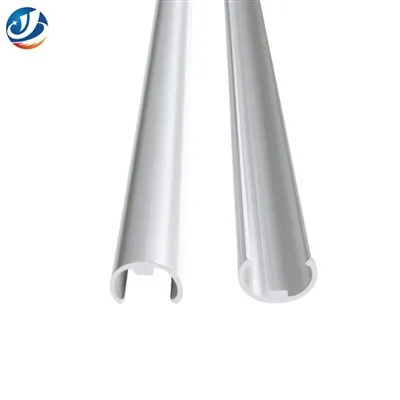
As a leading supplier of CNC aluminium profiles, I've witnessed firsthand the pivotal role that grinding methods play in the manufacturing process. The right grinding approach can significantly enhance the quality, precision, and surface finish of these profiles, making them suitable for a wide range of applications. In this blog post, I'll delve into the various grinding methods for CNC aluminium profiles, exploring their benefits, applications, and considerations.
Surface Grinding
Surface grinding is one of the most common methods used for CNC aluminium profiles. It involves using a grinding wheel to remove material from the surface of the profile, creating a flat and smooth finish. This method is ideal for achieving tight tolerances and high surface quality, making it suitable for applications where precision is crucial, such as in the aerospace and automotive industries.
The process of surface grinding typically involves securing the aluminium profile to a worktable and using a grinding wheel to move across the surface of the profile. The grinding wheel is made of abrasive particles that remove material from the profile as it rotates. The speed and pressure of the grinding wheel can be adjusted to control the amount of material removed and the surface finish of the profile.
One of the key benefits of surface grinding is its ability to produce a flat and smooth surface finish. This is essential for applications where the profile will be used in contact with other components, as it ensures a proper fit and reduces the risk of wear and tear. Additionally, surface grinding can improve the dimensional accuracy of the profile, ensuring that it meets the required specifications.
However, surface grinding also has some limitations. It can be a time-consuming process, especially for large profiles or profiles with complex shapes. Additionally, the abrasive particles used in the grinding wheel can generate heat, which can cause the aluminium to warp or distort if not properly controlled. Therefore, it's important to use the appropriate grinding parameters and coolant to minimize the risk of damage to the profile.
Centerless Grinding
Centerless grinding is another popular method for grinding CNC aluminium profiles. Unlike surface grinding, which requires the profile to be secured to a worktable, centerless grinding involves passing the profile through a grinding wheel and a regulating wheel. The grinding wheel removes material from the surface of the profile, while the regulating wheel controls the speed and feed of the profile.
One of the main advantages of centerless grinding is its ability to produce a high-quality surface finish with minimal setup time. This makes it a cost-effective option for high-volume production runs. Additionally, centerless grinding can be used to grind profiles with irregular shapes or profiles that are difficult to hold in a traditional grinding setup.
Another benefit of centerless grinding is its ability to improve the roundness and straightness of the profile. This is because the profile is supported by the grinding wheel and the regulating wheel, which helps to maintain its shape and alignment during the grinding process. As a result, centerless grinding is often used for applications where the profile will be used in rotating components, such as shafts or bearings.


However, centerless grinding also has some limitations. It requires a specialized machine and skilled operator, which can increase the cost of production. Additionally, the grinding process can generate a large amount of heat, which can cause the aluminium to warp or distort if not properly controlled. Therefore, it's important to use the appropriate grinding parameters and coolant to minimize the risk of damage to the profile.
Cylindrical Grinding
Cylindrical grinding is a method used to grind the outer surface of cylindrical aluminium profiles, such as rods or tubes. It involves using a grinding wheel to remove material from the surface of the profile while it rotates on a spindle. The grinding wheel is typically mounted on a reciprocating table, which moves back and forth along the length of the profile.
One of the main advantages of cylindrical grinding is its ability to produce a high-quality surface finish and precise dimensional accuracy. This is essential for applications where the profile will be used in precision components, such as engines or transmissions. Additionally, cylindrical grinding can be used to grind profiles with different diameters and lengths, making it a versatile option for a wide range of applications.
Another benefit of cylindrical grinding is its ability to improve the roundness and straightness of the profile. This is because the profile is supported by the spindle and the grinding wheel, which helps to maintain its shape and alignment during the grinding process. As a result, cylindrical grinding is often used for applications where the profile will be used in rotating components, such as shafts or bearings.
However, cylindrical grinding also has some limitations. It can be a time-consuming process, especially for large profiles or profiles with complex shapes. Additionally, the grinding process can generate a large amount of heat, which can cause the aluminium to warp or distort if not properly controlled. Therefore, it's important to use the appropriate grinding parameters and coolant to minimize the risk of damage to the profile.
Internal Grinding
Internal grinding is a method used to grind the inner surface of aluminium profiles, such as holes or bores. It involves using a grinding wheel to remove material from the inner surface of the profile while it rotates on a spindle. The grinding wheel is typically mounted on a reciprocating table, which moves back and forth along the length of the profile.
One of the main advantages of internal grinding is its ability to produce a high-quality surface finish and precise dimensional accuracy. This is essential for applications where the profile will be used in precision components, such as engines or transmissions. Additionally, internal grinding can be used to grind profiles with different diameters and lengths, making it a versatile option for a wide range of applications.
Another benefit of internal grinding is its ability to improve the roundness and straightness of the inner surface of the profile. This is because the profile is supported by the spindle and the grinding wheel, which helps to maintain its shape and alignment during the grinding process. As a result, internal grinding is often used for applications where the profile will be used in rotating components, such as shafts or bearings.
However, internal grinding also has some limitations. It can be a challenging process, especially for small-diameter holes or holes with complex shapes. Additionally, the grinding process can generate a large amount of heat, which can cause the aluminium to warp or distort if not properly controlled. Therefore, it's important to use the appropriate grinding parameters and coolant to minimize the risk of damage to the profile.
Considerations for Choosing the Right Grinding Method
When choosing a grinding method for CNC aluminium profiles, there are several factors to consider. These include the shape and size of the profile, the required surface finish and dimensional accuracy, the production volume, and the cost of production.
- Shape and Size of the Profile: The shape and size of the profile will determine the most suitable grinding method. For example, surface grinding is ideal for flat profiles, while centerless grinding is better suited for round profiles. Additionally, the size of the profile will affect the setup time and the cost of production.
- Required Surface Finish and Dimensional Accuracy: The required surface finish and dimensional accuracy will also influence the choice of grinding method. For applications where a high-quality surface finish and precise dimensional accuracy are required, such as in the aerospace and automotive industries, surface grinding or cylindrical grinding may be the best option.
- Production Volume: The production volume will also play a role in the choice of grinding method. For high-volume production runs, centerless grinding or cylindrical grinding may be more cost-effective, as they can produce a large number of profiles in a relatively short period of time.
- Cost of Production: The cost of production is another important factor to consider. The cost of grinding will depend on several factors, including the type of grinding method, the size and complexity of the profile, the required surface finish and dimensional accuracy, and the production volume. Therefore, it's important to choose a grinding method that offers the best balance between quality and cost.
Conclusion
In conclusion, the choice of grinding method for CNC aluminium profiles depends on several factors, including the shape and size of the profile, the required surface finish and dimensional accuracy, the production volume, and the cost of production. Surface grinding, centerless grinding, cylindrical grinding, and internal grinding are all popular methods for grinding CNC aluminium profiles, each with its own advantages and limitations. By understanding the different grinding methods and their applications, you can choose the most suitable method for your specific needs and ensure that your CNC aluminium profiles meet the highest quality standards.
If you're in the market for high-quality CNC aluminium profiles, look no further. We're a leading supplier of CNC Display Frame Aluminum Profile, Cnc Aluminium Parts, and Aluminium U Clamp. Our profiles are manufactured using the latest technology and the highest quality materials, ensuring that they meet the most demanding specifications. Whether you need a small batch of custom profiles or a large volume of standard profiles, we can provide you with the perfect solution. Contact us today to discuss your requirements and let us help you find the right grinding method for your CNC aluminium profiles.
References
- Smith, J. (2020). Grinding Technology: Theory and Applications of Machining with Abrasives. CRC Press.
- Trent, E. M., & Wright, P. K. (2000). Metal Cutting. Butterworth-Heinemann.
- Kalpakjian, S., & Schmid, S. R. (2013). Manufacturing Engineering and Technology. Pearson.