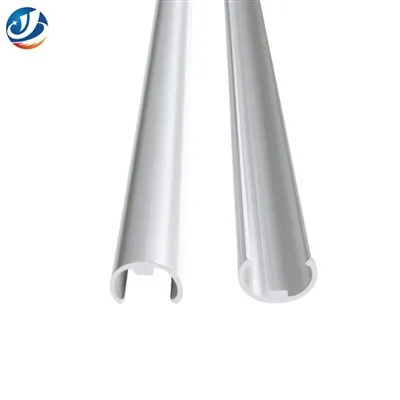
As a seasoned supplier of Aluminium Frame Profiles, I've witnessed firsthand the growing demand for these versatile products across various industries. One of the most frequently asked questions I encounter is about the corrosion resistance of Aluminium Frame Profiles. In this blog post, I'll delve into the science behind this property, explore the factors that influence it, and discuss how our products stand up to the test of time.
Understanding Corrosion
Before we dive into the specifics of aluminium's corrosion resistance, let's first understand what corrosion is. Corrosion is a natural process that occurs when a metal reacts with its environment, typically oxygen and water. This reaction leads to the formation of metal oxides, which can cause the metal to deteriorate over time. In the case of aluminium, the most common form of corrosion is called oxidation, which results in the formation of a thin layer of aluminium oxide on the surface of the metal.
The Science of Aluminium's Corrosion Resistance
Aluminium is unique among metals because it has a natural ability to form a protective oxide layer on its surface. When aluminium is exposed to oxygen, a thin layer of aluminium oxide (Al₂O₃) forms almost immediately. This oxide layer is extremely thin, typically only a few nanometers thick, but it is highly resistant to further oxidation. The oxide layer acts as a barrier, preventing oxygen and water from reaching the underlying aluminium metal and protecting it from corrosion.
One of the key factors that contribute to aluminium's excellent corrosion resistance is the stability of the aluminium oxide layer. Unlike other metal oxides, such as iron oxide (rust), aluminium oxide is very stable and adheres tightly to the surface of the metal. This means that the oxide layer does not flake off or break down easily, providing long-lasting protection against corrosion.
Another important factor is the self-healing nature of the aluminium oxide layer. If the oxide layer is damaged or scratched, new aluminium atoms are exposed to oxygen, and a new layer of oxide forms immediately to repair the damage. This self-healing property ensures that the aluminium remains protected even in harsh environments.
Factors Affecting Aluminium's Corrosion Resistance
While aluminium has excellent inherent corrosion resistance, several factors can affect its performance in real-world applications. Understanding these factors is crucial for selecting the right Aluminium Frame Profiles for your specific needs.

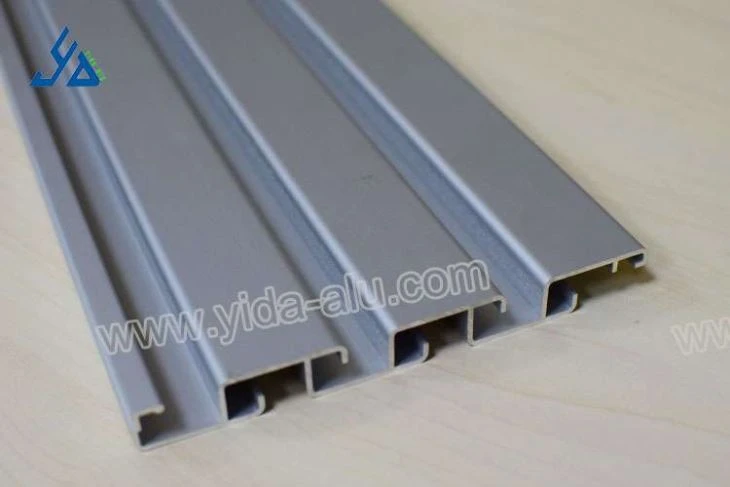
- Alloy Composition: Aluminium alloys are made by combining aluminium with other elements, such as copper, magnesium, silicon, and zinc, to enhance its properties. The composition of the alloy can have a significant impact on its corrosion resistance. For example, alloys that contain copper are more prone to corrosion in certain environments, while alloys that contain magnesium and silicon are generally more corrosion-resistant.
- Surface Finish: The surface finish of the Aluminium Frame Profile can also affect its corrosion resistance. A smooth, clean surface is less likely to trap moisture and contaminants, reducing the risk of corrosion. Common surface finishes for aluminium include anodizing, powder coating, and painting, which can provide additional protection against corrosion.
- Environmental Conditions: The environment in which the Aluminium Frame Profile is used plays a crucial role in its corrosion resistance. Factors such as humidity, temperature, pH level, and the presence of pollutants can all affect the rate of corrosion. For example, aluminium is more susceptible to corrosion in coastal areas, where the air contains high levels of salt, or in industrial areas, where the air may be polluted with chemicals.
- Mechanical Stress: Mechanical stress, such as bending, welding, or machining, can also affect the corrosion resistance of aluminium. When aluminium is subjected to mechanical stress, the protective oxide layer can be damaged, exposing the underlying metal to corrosion. Proper handling and installation techniques are essential to minimize the risk of damage to the oxide layer.
Our Aluminium Frame Profiles: Built to Last
At our company, we take pride in offering high-quality Aluminium Frame Profiles that are designed to withstand the toughest environments. Our profiles are made from premium-grade aluminium alloys that have been carefully selected for their excellent corrosion resistance. We also offer a range of surface finishes to provide additional protection and enhance the aesthetic appeal of our products.
One of our popular products is the Aluminium Profile Stand, which is widely used in trade shows, exhibitions, and retail displays. These stands are made from lightweight yet durable aluminium profiles that are resistant to corrosion, making them ideal for both indoor and outdoor use.
Another product that we're proud to offer is the Aluminum Display Panel. These panels are used for advertising, signage, and information display purposes. They are made from high-quality aluminium frames that are corrosion-resistant and can be customized to meet your specific requirements.
Conclusion
In conclusion, the corrosion resistance of Aluminium Frame Profiles is one of their most important properties, making them a popular choice for a wide range of applications. Aluminium's natural ability to form a protective oxide layer, combined with its self-healing properties, provides excellent protection against corrosion. However, several factors, such as alloy composition, surface finish, environmental conditions, and mechanical stress, can affect its performance.
At our company, we understand the importance of corrosion resistance and are committed to providing our customers with high-quality Aluminium Frame Profiles that are built to last. Whether you're looking for a Aluminium Profile Stand for your next trade show or an Aluminum Display Panel for your retail store, we have the products and expertise to meet your needs.
If you're interested in learning more about our Aluminium Frame Profiles or would like to discuss your specific requirements, please don't hesitate to contact us. We look forward to working with you to find the perfect solution for your project.
References
- Davis, J. R. (Ed.). (2001). Aluminum and Aluminum Alloys. ASM International.
- Fontana, M. G. (1986). Corrosion Engineering (3rd ed.). McGraw-Hill.
- Uhlig, H. H., & Revie, R. W. (1985). Corrosion and Corrosion Control: An Introduction to Corrosion Science and Engineering (3rd ed.). Wiley.