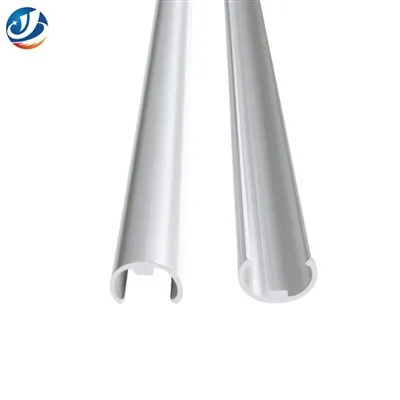
Creep resistance is a crucial mechanical property, especially when it comes to materials used in various engineering and construction applications. As a leading supplier of Aluminum Square Tubes, I often encounter inquiries about the creep resistance of these products. In this blog, I'll delve into what creep resistance is, how it applies to aluminum square tubes, and why it matters in real - world scenarios.
Understanding Creep
Creep is the tendency of a material to deform permanently under the influence of a constant load over an extended period. This deformation occurs even when the applied stress is below the material's yield strength. Creep is a time - dependent process that is affected by factors such as temperature, stress level, and the material's microstructure.
At normal temperatures, creep in most metals is negligible. However, as the temperature rises, the atoms in the material gain more energy, making it easier for them to move and rearrange. This atomic movement leads to the slow but continuous deformation of the material. Creep can be divided into three stages: primary creep, where the deformation rate decreases over time; secondary creep, where the deformation rate is relatively constant; and tertiary creep, where the deformation rate increases rapidly until failure.
Creep Resistance in Aluminum Square Tubes
Aluminum is a widely used metal due to its lightweight, corrosion resistance, and good formability. Aluminum square tubes, in particular, find applications in industries such as construction, automotive, and aerospace. The creep resistance of aluminum square tubes is an important consideration, especially in applications where the tubes are exposed to high temperatures and constant loads.
The creep resistance of aluminum is influenced by several factors:
- Alloy Composition: Different aluminum alloys have different creep resistances. For example, alloys with the addition of elements such as magnesium, silicon, and copper can have improved creep properties. These alloying elements form precipitates within the aluminum matrix, which impede the movement of dislocations (defects in the crystal structure) and thus increase the material's resistance to creep.
- Microstructure: The grain size and distribution in the aluminum square tube also affect its creep resistance. A fine - grained microstructure generally provides better creep resistance than a coarse - grained one. This is because the grain boundaries act as barriers to the movement of dislocations, and a larger number of grain boundaries in a fine - grained material can effectively slow down the creep process.
- Temperature and Stress Level: As mentioned earlier, creep is highly temperature - dependent. At elevated temperatures, the creep rate of aluminum square tubes increases significantly. Similarly, a higher applied stress will also accelerate the creep process. Therefore, in applications where high temperatures and stresses are expected, it is essential to select aluminum square tubes with appropriate creep resistance.
Importance of Creep Resistance in Applications
The creep resistance of aluminum square tubes is of great significance in various applications:
- Construction: In building structures, aluminum square tubes are often used for support columns, frames, and trusses. In some cases, these tubes may be exposed to high temperatures, such as in fire - prone areas or near industrial furnaces. Good creep resistance ensures that the tubes maintain their structural integrity over time, preventing premature failure and ensuring the safety of the building.
- Automotive Industry: Aluminum square tubes are used in automotive frames, engine components, and exhaust systems. In the engine compartment, where temperatures can be quite high, the creep resistance of the tubes is crucial to prevent deformation and ensure proper functioning of the components.
- Aerospace Industry: In aerospace applications, weight is a critical factor. Aluminum square tubes are widely used due to their lightweight nature. However, they also need to withstand high temperatures and stresses during flight. High creep resistance is essential to ensure the reliability and safety of the aircraft.
Our Aluminum Square Tube Offerings
As a supplier of Aluminum Square Tubes, we offer a wide range of products with excellent creep resistance. Our Aluminium Hollow Square Tube is designed to meet the needs of various industries. These tubes are made from high - quality aluminum alloys, carefully selected to provide optimal creep resistance.


We also offer Bending Aluminum Tube Extrusion Profile. Our extrusion process allows us to control the microstructure of the tubes, resulting in a fine - grained structure that enhances creep resistance. Additionally, our Large Aluminum Profiles For Square Tube are suitable for applications that require large - scale support and can withstand high temperatures and stresses.
Testing and Quality Assurance
To ensure the creep resistance of our aluminum square tubes, we conduct rigorous testing. We use advanced testing equipment to measure the creep rate of the tubes under different temperature and stress conditions. Our quality control team closely monitors the production process, from alloy selection to final finishing, to ensure that each tube meets the highest standards of quality and performance.
Contact Us for Procurement
If you are in need of aluminum square tubes with excellent creep resistance for your project, we are here to help. Our team of experts can provide you with detailed information about our products, including their creep resistance properties, and assist you in selecting the most suitable tubes for your application. Whether you are in the construction, automotive, or aerospace industry, we have the right solution for you.
We understand that every project has unique requirements, and we are committed to providing customized solutions. Contact us today to start a conversation about your procurement needs. We look forward to working with you to ensure the success of your project.
References
- Callister, W. D., & Rethwisch, D. G. (2017). Materials Science and Engineering: An Introduction. Wiley.
- Davis, J. R. (Ed.). (2001). Aluminum and Aluminum Alloys. ASM International.
- Courtney, T. H. (2000). Mechanical Behavior of Materials. McGraw - Hill.