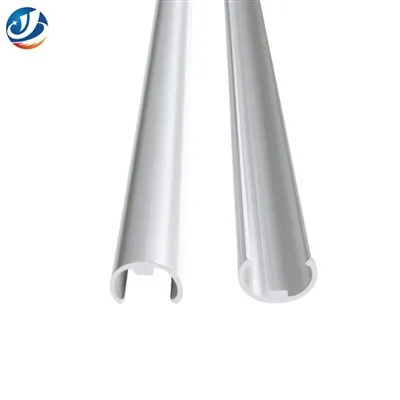
Hey there! I'm an aluminium carpet trim supplier, and I often get asked about the standard thickness of aluminium carpet trim. It's a crucial question because the right thickness can make a huge difference in the performance and appearance of your carpet installation. So, let's dive into this topic and find out what you need to know.
Why Thickness Matters
Before we get into the standard thickness, let's talk about why it's so important. The thickness of aluminium carpet trim affects its durability, strength, and ability to hold the carpet in place. A thicker trim can withstand more wear and tear, making it ideal for high - traffic areas. It also provides better support for the carpet edges, preventing fraying and curling. On the other hand, a thinner trim might be more flexible and suitable for areas where a less bulky look is desired.
Common Thicknesses
The standard thickness of aluminium carpet trim can vary depending on the application and the manufacturer. However, there are some common thicknesses that you'll come across in the market.
- 0.8mm - 1.0mm: This is a relatively thin option. It's often used in residential settings or areas with low traffic. The thinner profile makes it easy to install and gives a more subtle look. It's also more cost - effective, which is great for budget - conscious projects. For example, if you're doing a small bedroom or a guest room, this thickness might be perfect. You can check out our Aluminium Carpet Edge Trim in this thickness range.
- 1.2mm - 1.5mm: This is a mid - range thickness that offers a good balance between strength and flexibility. It can handle moderate traffic and is suitable for both residential and commercial spaces. Offices, hallways, and small retail stores often use this thickness. The extra thickness provides better stability for the carpet edges, reducing the risk of damage over time. Our Carpet Edge Trim in this thickness is a popular choice among customers.
- 1.8mm - 2.0mm: This is a thicker option designed for high - traffic areas. Commercial buildings like shopping malls, airports, and large offices benefit from this thickness. The increased strength ensures that the trim can withstand constant foot traffic, heavy equipment movement, and other stresses. It also gives a more robust and professional look to the carpet installation. If you're looking for a heavy - duty solution, our Aluminum Carpet Transition Strip in this thickness is worth considering.
Factors Affecting Thickness Choice
When deciding on the thickness of your aluminium carpet trim, there are several factors to consider:
- Traffic Volume: As mentioned earlier, high - traffic areas require thicker trim. If a lot of people are going to be walking on the carpet every day, a thinner trim might not hold up well.
- Carpet Type: Different carpets have different weights and textures. Thicker, heavier carpets may need a thicker trim to support them properly. For example, a plush, thick pile carpet will put more stress on the trim compared to a thin, low - pile carpet.
- Aesthetic Preferences: Some people prefer a more subtle look, while others want a more prominent trim. Thinner trims blend in more easily, while thicker trims can make a statement.
- Budget: Thicker trims are generally more expensive. You need to balance your budget with the requirements of your project. If you're on a tight budget, a thinner trim might be the way to go, but make sure it still meets your durability needs.
Installation Considerations
The thickness of the aluminium carpet trim also affects the installation process. Thinner trims are easier to bend and shape, which can be an advantage when working around corners or irregular shapes. They may also require less force to install, making the job quicker and easier.
Thicker trims, on the other hand, may need more precise cutting and fitting. You might need special tools to cut through the thicker aluminium. However, the extra effort is often worth it, especially in high - traffic areas where a proper installation is crucial for long - term performance.
Maintenance and Longevity
The thickness of the trim can impact its maintenance and longevity. Thicker trims are generally more resistant to damage, scratches, and dents. They can last longer without needing to be replaced, which can save you money in the long run.


Thinner trims may require more careful handling during cleaning and maintenance. They are more prone to bending or breaking if not treated gently. However, if they are used in low - traffic areas, they can still provide many years of service with proper care.
Conclusion
So, what's the standard thickness of aluminium carpet trim? Well, there isn't a one - size - fits - all answer. It depends on your specific needs, the traffic volume, the carpet type, your aesthetic preferences, and your budget. Whether you're looking for a thin, subtle trim for a residential project or a thick, heavy - duty trim for a commercial space, we've got you covered.
If you're interested in purchasing aluminium carpet trim or have any questions about the thickness or other aspects of our products, don't hesitate to reach out. We're here to help you make the right choice for your project.
References
- "Carpet Installation Guide" - Industry - standard guide on carpet installation and trim selection.
- "Aluminium Product Handbook" - Comprehensive resource on aluminium products and their applications.