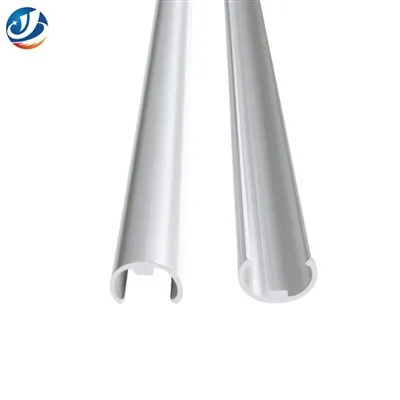
Hey there! As a supplier of Aluminium Skirting Boards, I often get asked about the strength-to-weight ratio of these products. It's a crucial factor that many customers consider when choosing skirting boards for their homes or commercial spaces. In this blog post, I'll break down what the strength-to-weight ratio means, why it matters for aluminium skirting boards, and how it compares to other materials.
Understanding the Strength-to-Weight Ratio
The strength-to-weight ratio is a measure of how much strength a material has relative to its weight. It's calculated by dividing the material's strength (usually measured in terms of its ability to withstand stress or load) by its weight. A high strength-to-weight ratio means that the material is strong but lightweight, making it ideal for applications where weight is a concern.
For aluminium skirting boards, the strength-to-weight ratio is particularly important. Skirting boards need to be strong enough to withstand daily wear and tear, such as bumps and scratches, but they also need to be lightweight enough to be easily installed and handled. Aluminium is a great choice for skirting boards because it has a high strength-to-weight ratio, which means it can provide the necessary strength without adding too much weight.
Why the Strength-to-Weight Ratio Matters for Aluminium Skirting Boards
There are several reasons why the strength-to-weight ratio is important for aluminium skirting boards:
- Ease of Installation: Lightweight aluminium skirting boards are easier to handle and install than heavier materials. This can save time and labor costs during the installation process.
- Reduced Structural Load: Since aluminium skirting boards are lightweight, they put less stress on the walls and floors of a building. This can be especially important in older buildings or structures with limited load-bearing capacity.
- Durability: Despite their lightweight, aluminium skirting boards are strong and durable. They can withstand daily wear and tear, as well as environmental factors such as moisture and temperature changes.
- Aesthetic Appeal: Aluminium skirting boards are available in a variety of styles and finishes, which can enhance the aesthetic appeal of a room. Their lightweight nature also allows for more creative installation options.
Comparing Aluminium Skirting Boards to Other Materials
When it comes to strength-to-weight ratio, aluminium skirting boards have a significant advantage over other materials commonly used for skirting boards, such as wood and PVC.
- Wood: Wood is a popular choice for skirting boards because of its natural beauty and warmth. However, wood is relatively heavy, which can make it more difficult to install and handle. It also requires regular maintenance to prevent rot and decay.
- PVC: PVC skirting boards are lightweight and easy to install, but they are not as strong as aluminium. They can be prone to cracking and warping over time, especially in high-traffic areas.
In comparison, aluminium skirting boards offer the best of both worlds. They are strong, lightweight, and durable, making them an ideal choice for a wide range of applications.
Types of Aluminium Skirting Boards
There are several types of aluminium skirting boards available on the market, each with its own unique features and benefits. Here are some of the most common types:


- Wall Skirting: Wall skirting boards are designed to be installed along the base of a wall. They provide a finished look and protect the wall from damage.
- Brushed Aluminium Skirting Board: Brushed aluminium skirting boards have a textured finish that gives them a modern and stylish look. They are also more resistant to scratches and fingerprints.
- Aluminium Floor Skirting: Aluminium floor skirting boards are designed to be installed along the edge of a floor. They provide a transition between the floor and the wall and protect the floor from damage.
Factors Affecting the Strength-to-Weight Ratio of Aluminium Skirting Boards
The strength-to-weight ratio of aluminium skirting boards can be affected by several factors, including:
- Alloy Composition: The alloy composition of the aluminium can affect its strength and weight. Different alloys have different properties, so it's important to choose the right alloy for your specific application.
- Thickness: The thickness of the aluminium skirting board can also affect its strength and weight. Thicker skirting boards are generally stronger but heavier, while thinner skirting boards are lighter but may be less strong.
- Design: The design of the skirting board can also affect its strength and weight. Some designs may be more efficient at distributing stress, which can increase the strength-to-weight ratio.
Conclusion
In conclusion, the strength-to-weight ratio is an important factor to consider when choosing aluminium skirting boards. Aluminium skirting boards offer a high strength-to-weight ratio, which means they are strong, lightweight, and durable. They are also available in a variety of styles and finishes, making them a versatile choice for a wide range of applications.
If you're interested in purchasing aluminium skirting boards, I'd be happy to help. We offer a wide range of products at competitive prices, and our team of experts can provide you with the information and support you need to make the right choice for your project. Contact us today to learn more!
References
- "Aluminium Skirting Boards: A Guide to Choosing the Right Product." Home Improvement Magazine, 2023.
- "The Benefits of Aluminium Skirting Boards." Building Materials Today, 2022.
- "Strength-to-Weight Ratio: What It Is and Why It Matters." Engineering Today, 2021.