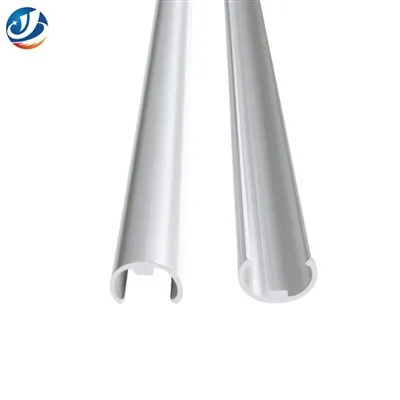
As a trusted supplier of Aluminum Square Tubes, I understand that customers often have concerns about the safety of the products they purchase. Aluminum square tubes are widely used in various industries, including construction, automotive, and manufacturing, due to their lightweight, corrosion resistance, and high strength-to-weight ratio. However, like any material, there are certain safety considerations that need to be addressed.
Chemical Composition and Health Risks
Aluminum is a naturally occurring element that is generally considered safe for most applications. However, exposure to high levels of aluminum can have adverse health effects. Inhalation of aluminum dust or fumes during the manufacturing process, such as cutting, welding, or grinding, can pose a risk to workers' respiratory health. Prolonged exposure to aluminum dust may lead to respiratory problems, including bronchitis and pneumoconiosis.
To mitigate these risks, proper ventilation systems should be in place in manufacturing facilities. Workers should also wear appropriate personal protective equipment (PPE), such as respirators and dust masks, to prevent inhalation of aluminum particles. Additionally, regular health monitoring of workers can help detect any early signs of aluminum-related health issues.
In terms of consumer use, aluminum square tubes are typically used in finished products where the risk of direct exposure to aluminum dust is minimal. However, if you are using aluminum square tubes in a DIY project that involves cutting or machining, it is important to take precautions. Use a dust collection system or work in a well-ventilated area, and wear a dust mask to protect your lungs.
Structural Integrity and Load-Bearing Capacity
One of the key safety considerations when using aluminum square tubes is their structural integrity and load-bearing capacity. Aluminum square tubes are designed to withstand specific loads and stresses, depending on their size, thickness, and alloy composition. It is crucial to select the right type of aluminum square tube for your application to ensure its safety and performance.
When designing a structure or application that uses aluminum square tubes, it is important to consult engineering standards and guidelines. These standards provide information on the allowable loads, deflection limits, and other design criteria for aluminum structures. A qualified engineer can help you determine the appropriate size and grade of aluminum square tube for your project, taking into account factors such as the intended use, environmental conditions, and expected loads.
In addition to proper design, it is also important to ensure that the aluminum square tubes are installed correctly. Improper installation can compromise the structural integrity of the tubes and increase the risk of failure. Follow the manufacturer's installation instructions carefully, and use appropriate fasteners and connectors. If you are unsure about the installation process, it is recommended to hire a professional contractor with experience in working with aluminum structures.
Corrosion and Environmental Factors
Aluminum is known for its excellent corrosion resistance, which makes it a popular choice for outdoor and marine applications. However, under certain conditions, aluminum can still corrode. Factors such as exposure to saltwater, chemicals, and extreme temperatures can accelerate the corrosion process.
To prevent corrosion, it is important to choose the right alloy of aluminum square tube for your application. Some aluminum alloys are more resistant to corrosion than others. For example, 6061 and 6063 are commonly used alloys that offer good corrosion resistance in a variety of environments. Additionally, applying a protective coating, such as anodizing or powder coating, can further enhance the corrosion resistance of the aluminum square tubes.
Regular inspection and maintenance of the aluminum square tubes are also essential to detect and address any signs of corrosion early. Look for signs of discoloration, pitting, or flaking on the surface of the tubes. If corrosion is detected, take appropriate measures to clean and protect the affected areas. In some cases, it may be necessary to replace the corroded tubes to ensure the safety and integrity of the structure.
Fire Safety
Aluminum is a non-combustible material, which means it does not burn. However, in the event of a fire, aluminum square tubes can conduct heat and transfer it to other parts of the structure. This can potentially lead to the spread of fire and damage to the surrounding areas.
To improve fire safety, it is important to consider the use of fire-resistant coatings or insulation on the aluminum square tubes. These coatings can help reduce the heat transfer and slow down the spread of fire. Additionally, proper fire protection measures, such as installing fire sprinklers and smoke detectors, should be in place in buildings and structures that use aluminum square tubes.
Bending and Fabrication
If you need to bend or fabricate aluminum square tubes, it is important to do so correctly to ensure their safety and performance. Bending aluminum tubes requires specialized equipment and techniques to avoid cracking, wrinkling, or other defects.
When bending aluminum square tubes, it is important to use the right bending radius and tooling. The bending radius should be appropriate for the size and thickness of the tube to prevent excessive stress and deformation. Using a bending machine that is specifically designed for aluminum tubes can help ensure a smooth and accurate bend.
If you are not experienced in bending aluminum tubes, it is recommended to work with a professional fabricator. They have the expertise and equipment to perform the bending and fabrication processes safely and accurately. For more information on bending aluminum tube extrusion profiles, you can visit Bending Aluminum Tube Extrusion Profile.
Curved Aluminum Tubes
Curved aluminum tubes are often used in architectural and decorative applications to add a unique and aesthetic touch. However, the process of creating curved aluminum tubes requires careful consideration of safety and quality.
When using curved aluminum tubes, it is important to ensure that they are properly supported and installed. The curvature of the tubes can affect their load-bearing capacity and stability, so it is crucial to design the support system accordingly. A qualified engineer can help you determine the appropriate support structure for your curved aluminum tubes.
For more information on curved aluminum tubes, you can visit Curved Aluminum Tube.
Thin Wall Aluminum Extrusion
Thin wall aluminum extrusion is a popular choice for applications where weight reduction is a priority. However, thin wall aluminum tubes have different structural properties compared to thicker wall tubes. They are more susceptible to deformation and damage, especially under high loads or impact.
When using thin wall aluminum extrusion, it is important to carefully consider the design and application requirements. Ensure that the tubes are properly supported and reinforced to prevent buckling or collapse. Additionally, take precautions to avoid any sharp impacts or excessive bending that could damage the thin wall tubes.
For more information on thin wall aluminum extrusion, you can visit Thin Wall Aluminum Extrusion.
Conclusion
In conclusion, there are several safety concerns to consider when using aluminum square tubes. By understanding these concerns and taking appropriate precautions, you can ensure the safe and effective use of aluminum square tubes in your applications.
As a supplier of Aluminum Square Tubes, we are committed to providing high-quality products that meet the highest safety standards. Our aluminum square tubes are manufactured using advanced processes and strict quality control measures to ensure their reliability and performance.
If you have any questions or need further information about the safety of our aluminum square tubes, or if you are interested in purchasing our products, please feel free to contact us. Our team of experts is ready to assist you with your inquiries and help you find the right solution for your needs.


References
- Aluminum Association. (n.d.). Aluminum Design Manual.
- American Society of Civil Engineers (ASCE). (n.d.). Structural Design for Aluminum Structures.
- International Building Code (IBC). (n.d.). Building Code Requirements for Structural Aluminum.