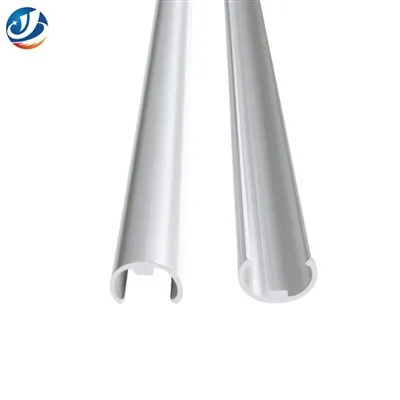
Hey there, I’m Jake, and for the last 8 years, I’ve been running a small operation as an aluminum angle trim supplier—mostly working with contractors, architects, and facility managers who need durable, budget-friendly solutions for commercial builds. One question I get more than any other is: Can aluminum angle trim actually hold up in commercial buildings? It’s totally valid to wonder, right? Commercial spaces get way more wear and tear than a regular home—foot traffic is constant, moisture levels swing (think break rooms, bathrooms, or atriums), and design teams are always chasing that sleek, low-maintenance look. After seeing this stuff work (and sometimes fail) firsthand, I want to break down if aluminum angle trim is a good call for commercial projects, where it shines, and even the specific products we offer that fit those needs.
First, let’s start with what aluminum angle trim actually is—super basic stuff, but it’s key. It’s that L-shaped metal strip used to cap sharp edges, protect vulnerable corners, and give finished looks to tile, drywall, concrete, or other surfaces in buildings. For commercial use, material choice is make or break, and aluminum checks so many boxes. Unlike wood, which rots if it gets damp, or plastic trim that cracks under heavy foot traffic or extreme temps, aluminum is lightweight, rust-resistant, and way stronger than it looks. That’s why it’s been a go-to in malls, office buildings, hospitals, and restaurants for decades.
Now, let’s talk about the biggest win for commercial spaces: durability. Commercial areas have foot traffic that’s non-stop—people carrying carts in grocery stores, workers dragging boxes in warehouses, even kids in school hallways. A flimsy trim that scratches, dents, or falls off after a year is a nightmare for facility managers; they’re busy fixing leaks or updating break rooms, not patching up trim every other month. Aluminum angle trim stands up to that because it’s hard but also flexible enough to handle minor impacts without snapping. I’ve had a client manage a 5-story office building where they used right angle aluminium strip throughout hallways, and 3 years later, only a handful of pieces needed a tiny touch-up—no full replacements. That’s way better than plastic, which would have cracked in multiple spots already.
Moisture is another big one in commercial spaces—bathrooms, food prep areas, laundromats, even outdoor patio additions to office buildings. Aluminum doesn’t absorb water, so it won’t swell, warp, or grow mold like wood or MDF trim. We also stock anodised aluminium angle trim for extra protection against corrosion, perfect for areas with high humidity or cleaning chemicals (like hospital restrooms that get bleached daily). Anodizing creates a hard, protective layer that doesn’t chip or fade like painted trim, so it keeps that clean, professional look for years. That’s way cheaper in the long run than repainting or replacing trim every 2 years, which I’ve seen so many contractors do with cheaper materials.
But wait, not all aluminum angle trim is made equal—commercial spaces have unique design needs that basic trim can’t handle. A lot of modern commercial builds use rounded corners to soften up sharp edges, which is a big change from the boxy, straight trim we used to install 10 years ago. If you try to use standard L-shaped angle trim on a rounded arc corner, it’ll gap, look messy, and actually leave the corner more vulnerable to scuffs. That’s where we come in with products like aluminum tile trim for rounded arc corner walls—custom-molded to fit curved edges, so you get a smooth, finished look without any gaps. We’ve also worked with contractors on a coffee shop build where they wanted an arc edge along their counter tops, and the aluminum arc extenar conas edge strips fit perfectly around the rounded corners of their booths. No gaps, no sharp edges, and it still held up when people leaned on the counters all day.
Another common need in commercial builds is edge protection for high-traffic areas like staircases, elevator entrances, or loading docks. Aluminum angle edge trim is thin enough to tuck in under tile or flooring, but thick enough to take the brunt of a cart bump or a stray foot scuff. We supply this trim for a local warehouse expansion, and the facility manager told us last quarter that they haven’t had to replace a single piece of that trim in 2 years—way better than the steel trim they used before, which would bend and rust after 6 months. Aluminum is also lighter than steel, so it’s easier to install, which saves contractors time (and money, since labor is the biggest cost in commercial builds). Cost is a big factor for any commercial project, and aluminum angle trim is surprisingly affordable compared to stainless steel, while being just as durable for most uses. Stainless steel is great for super heavy-duty areas, but it’s way pricier, and for most hallways or interior corners, aluminum does the exact same job for less. That’s why it’s such a popular pick for mid-range commercial builds—you get a professional look without blowing the budget.
Of course, there are a few situations where aluminum angle trim might not be the best fit. If you’re working on a highly specialized space like a chemical plant where there’s exposure to strong acids or industrial chemicals, aluminum can corrode over time, so stainless steel would be a better call. Or if you’re going for a super rustic, industrial look where you want raw, unprocessed steel, aluminum’s shiny finish might not match that aesthetic. But for 90% of commercial projects—offices, retail stores, schools, healthcare facilities, restaurants—it checks every box.
I’ve been in this game long enough to see trends come and go, and aluminum angle trim is here to stay because it solves real problems for commercial builders. It’s durable, low-maintenance, budget-friendly, and can be customized to fit even the most modern, curved designs. Whether you’re finishing a straight hallway, a rounded retail corner, or a high-traffic staircase, there’s an aluminum angle trim product that works.
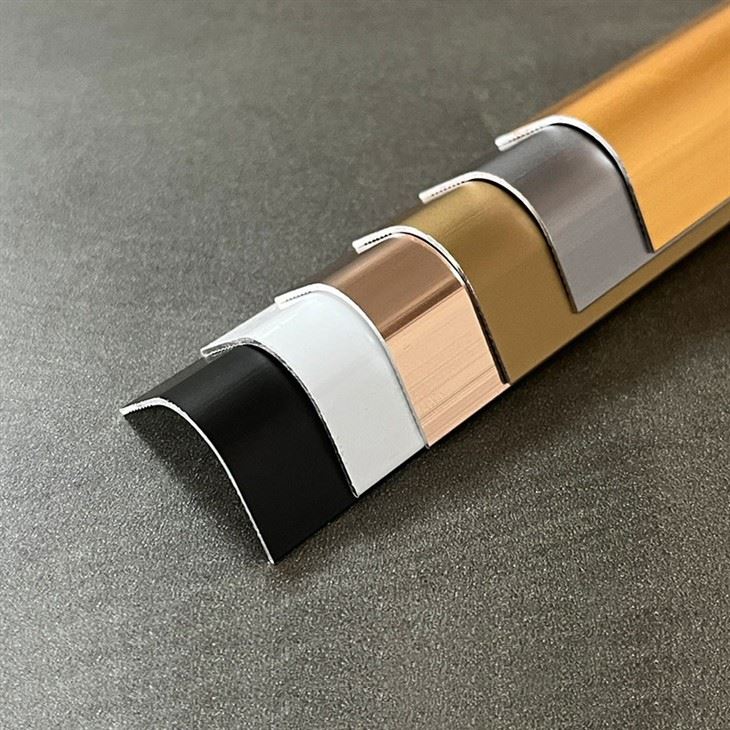

If you’re working on a commercial project and want to test out what we offer, we have a full range of aluminum angle trim products—including straight right angle aluminium strip, curved pieces for rounded corners, anodized options for extra protection, and edge trim for high-wear areas. Hit us up to chat through your needs, and we can point you to the right products for your space.
References
- National Association of Home Builders. (2022). Commercial Building Material Durability Report.
- Aluminum Association. (2023). Aluminum Use in Commercial Construction: Benefits and Applications.
- Construction Dive. (2024). Budget-Friendly Solutions for Mid-Range Commercial Builds.
- American Institute of Architects. (2022). Material Selection for High-Traffic Commercial Interiors.
- International Code Council. (2023). Commercial Building Edge Protection Standards.