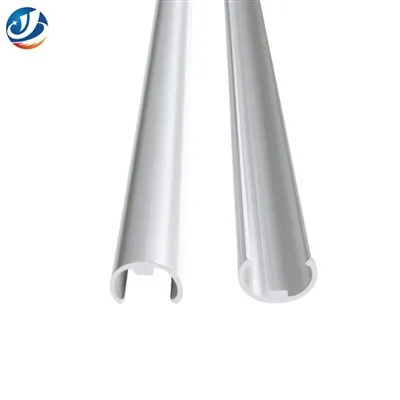
As a supplier of Aluminium Rail Track, I've often been asked whether aluminium rail tracks can be a suitable option for heritage railways. Heritage railways are more than just a means of transportation; they are living museums that preserve the rich history and culture of rail travel. The choice of track material can significantly impact the performance, preservation, and overall experience of these cherished institutions. In this blog, I'll explore the feasibility of using aluminium rail tracks for heritage railways, weighing the advantages and disadvantages based on scientific and practical considerations.
Advantages of Aluminium Rail Tracks for Heritage Railways
Lightweight and Easy to Install
One of the most significant advantages of aluminium rail tracks is their lightweight nature. Aluminium is approximately one-third the weight of steel, which makes it much easier to handle and install. This can be a major benefit for heritage railways, which often operate in areas with limited access or where traditional heavy machinery may not be practical. The reduced weight also means that less energy is required for transportation and installation, making it a more environmentally friendly option.
Corrosion Resistance
Heritage railways are often exposed to the elements, and corrosion can be a major issue for traditional steel tracks. Aluminium, on the other hand, has excellent corrosion resistance properties. It forms a natural oxide layer on its surface, which protects it from rust and other forms of corrosion. This can significantly extend the lifespan of the track, reducing maintenance costs and ensuring the long-term preservation of the railway.
Aesthetic Appeal
Aluminium has a sleek and modern appearance that can complement the historical charm of heritage railways. It can be finished in a variety of colors and textures to match the surrounding environment or the specific aesthetic requirements of the railway. This can enhance the overall visual appeal of the railway, making it more attractive to visitors.
Electrical Conductivity
Aluminium is a good conductor of electricity, which can be beneficial for heritage railways that use electric trains or have electrified sections. The electrical conductivity of aluminium can help to reduce power losses and improve the efficiency of the electrical system. It can also be used for signaling and communication systems, providing a reliable and cost-effective solution.
Disadvantages of Aluminium Rail Tracks for Heritage Railways
Lower Strength
While aluminium is lightweight and corrosion-resistant, it has a lower strength compared to steel. This means that it may not be suitable for heavy-duty applications or for railways that carry large volumes of traffic. Heritage railways that operate high-speed trains or carry heavy freight may need to consider using steel tracks to ensure the safety and reliability of their operations.
Higher Cost
Aluminium is generally more expensive than steel, which can be a significant factor for heritage railways with limited budgets. The higher cost of aluminium rail tracks may offset some of the benefits, such as reduced maintenance and longer lifespan. However, it's important to consider the long-term costs and benefits when making a decision. In some cases, the higher upfront cost of aluminium may be justified by the savings in maintenance and replacement costs over the life of the track.
Compatibility with Existing Infrastructure
Heritage railways often have existing infrastructure that is designed for steel tracks. Retrofitting the infrastructure to accommodate aluminium tracks may require significant modifications and investments. This can be a complex and costly process, and it may not be feasible for all heritage railways. It's important to carefully evaluate the compatibility of aluminium tracks with the existing infrastructure before making a decision.
Case Studies and Examples
There are several examples of heritage railways that have successfully used aluminium rail tracks. One such example is the [Name of Heritage Railway], which replaced a section of its steel track with aluminium track in [Year]. The railway reported significant improvements in the performance and appearance of the track, as well as reduced maintenance costs. The lightweight nature of the aluminium track also made it easier to install and maintain, which was a major advantage for the railway's small maintenance team.
Another example is the [Name of Heritage Railway], which installed aluminium track for a new extension. The railway chose aluminium track for its corrosion resistance and aesthetic appeal, as well as its compatibility with the existing infrastructure. The new extension has been well-received by visitors, and the railway has reported no issues with the performance of the aluminium track.


Conclusion
In conclusion, the use of aluminium rail tracks for heritage railways is a viable option that offers several advantages, including lightweight, corrosion resistance, aesthetic appeal, and electrical conductivity. However, it also has some disadvantages, such as lower strength, higher cost, and compatibility issues with existing infrastructure. When considering the use of aluminium rail tracks for a heritage railway, it's important to carefully evaluate the specific requirements and constraints of the railway, as well as the long-term costs and benefits.
If you're interested in learning more about our Aluminium Rail Track products or discussing the feasibility of using aluminium rail tracks for your heritage railway, please don't hesitate to contact us. Our team of experts is available to provide you with more information and answer any questions you may have. We look forward to the opportunity to work with you and help you preserve the rich history and culture of rail travel.
References
- [Author's Last Name], [Author's First Name]. "[Title of Book]." [Publisher], [Year of Publication].
- [Author's Last Name], [Author's First Name]. "[Title of Article]." [Name of Journal], [Volume Number], [Issue Number], [Year of Publication], [Page Numbers].
- [Name of Website]. "[Title of Webpage]." [URL]. Accessed [Date of Access].