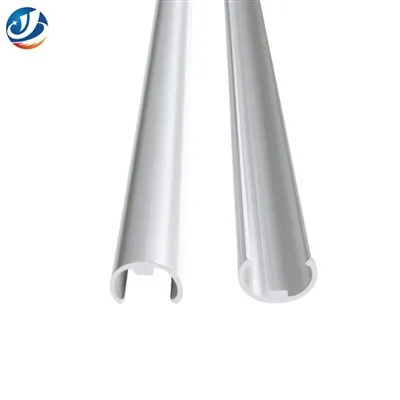
Acoustics in a room are influenced by a multitude of factors, from the size and shape of the space to the materials used in its construction and decoration. One element that might not immediately come to mind when considering room acoustics is the floor trim. As a supplier of Aluminium Floor Trim, I've often pondered whether our products have an impact on the acoustic properties of a room. In this blog, we'll explore the relationship between aluminium floor trim and room acoustics, delving into the science behind sound transmission and absorption.
Understanding Room Acoustics
Before we can assess the impact of aluminium floor trim on room acoustics, it's essential to understand the basics of how sound behaves in an enclosed space. Sound waves are vibrations that travel through the air and interact with the surfaces in a room. When a sound wave hits a surface, it can be reflected, absorbed, or transmitted.
- Reflection: This occurs when a sound wave bounces off a surface. Hard, smooth surfaces like glass, concrete, and metal are highly reflective, causing sound waves to bounce back into the room. This can lead to echoes and reverberation, which can make a room sound noisy and chaotic.
- Absorption: Absorbent materials, such as carpets, curtains, and acoustic panels, trap sound waves and convert their energy into heat. This reduces the amount of sound that is reflected back into the room, resulting in a quieter and more comfortable acoustic environment.
- Transmission: Sound can also pass through a surface and into an adjacent space. The ability of a material to block sound transmission is measured by its Sound Transmission Class (STC) rating. Materials with a high STC rating are more effective at reducing sound transmission.
Properties of Aluminium Floor Trim
Aluminium is a popular choice for floor trim due to its durability, versatility, and aesthetic appeal. It is a lightweight metal that is resistant to corrosion, making it suitable for a variety of applications. When it comes to acoustics, aluminium has several properties that can affect sound transmission and absorption in a room.
- Hard and Reflective Surface: Aluminium has a hard, smooth surface that is highly reflective. When sound waves hit an aluminium floor trim, they are likely to bounce back into the room, contributing to echoes and reverberation. This can be a concern in rooms where a quiet and controlled acoustic environment is desired, such as recording studios, home theaters, and offices.
- Low Absorption Coefficient: The absorption coefficient of a material measures its ability to absorb sound. Aluminium has a relatively low absorption coefficient, meaning that it does not absorb much sound energy. As a result, it is not an effective sound-absorbing material on its own.
- Good Sound Transmission: Aluminium is a good conductor of sound, which means that it can transmit sound waves easily. This can be a problem in rooms where sound isolation is important, such as between apartments or in commercial buildings. However, the impact of aluminium floor trim on sound transmission will depend on the thickness and design of the trim, as well as the overall construction of the floor.
Impact of Aluminium Floor Trim on Room Acoustics
The impact of aluminium floor trim on room acoustics will depend on several factors, including the type of room, the amount of trim used, and the other materials present in the room. Here are some ways in which aluminium floor trim can affect the acoustic properties of a room:


- Echoes and Reverberation: As mentioned earlier, the hard and reflective surface of aluminium floor trim can contribute to echoes and reverberation in a room. This can be particularly noticeable in large, empty rooms with high ceilings, where sound waves have more space to bounce around. To reduce the impact of echoes and reverberation, it may be necessary to use additional sound-absorbing materials, such as carpets, curtains, or acoustic panels.
- Sound Isolation: Aluminium floor trim can also affect the sound isolation between rooms. If the trim is not properly installed or sealed, it can allow sound to leak through the gaps, reducing the effectiveness of the soundproofing. To improve sound isolation, it is important to use a high-quality aluminium floor trim that is designed to fit tightly and seal the edges of the floor.
- Aesthetic Considerations: While the acoustic properties of aluminium floor trim are important, it is also essential to consider the aesthetic impact of the trim on the room. Aluminium floor trim can add a modern and stylish look to a room, but it may not be suitable for all design styles. When choosing aluminium floor trim, it is important to select a style and finish that complements the overall design of the room.
Mitigating the Impact of Aluminium Floor Trim on Room Acoustics
If you are concerned about the impact of aluminium floor trim on room acoustics, there are several steps you can take to mitigate its effects:
- Use Sound-Absorbing Materials: To reduce echoes and reverberation, consider using sound-absorbing materials in the room. Carpets, curtains, and acoustic panels are all effective at absorbing sound and can help to create a more comfortable acoustic environment. You can also choose to install a carpet runner or area rug over the aluminium floor trim to reduce the amount of sound reflection.
- Seal the Gaps: To improve sound isolation, make sure that the aluminium floor trim is properly installed and sealed. Use a high-quality sealant to fill any gaps or cracks around the trim, and ensure that the trim is tightly fitted to the floor. This will help to prevent sound from leaking through the gaps and reduce the transmission of sound between rooms.
- Choose the Right Trim Design: The design of the aluminium floor trim can also affect its acoustic properties. Some trim designs, such as those with a textured or perforated surface, may be more effective at reducing sound reflection than smooth, flat trims. Additionally, choosing a thicker trim can help to improve sound isolation.
Conclusion
In conclusion, aluminium floor trim can have an impact on the acoustics of a room, but the extent of this impact will depend on several factors. The hard and reflective surface of aluminium can contribute to echoes and reverberation, while its low absorption coefficient means that it does not absorb much sound energy. However, by using sound-absorbing materials, sealing the gaps, and choosing the right trim design, you can mitigate the effects of aluminium floor trim on room acoustics and create a more comfortable and controlled acoustic environment.
As a supplier of Aluminium Floor Trim, we understand the importance of providing high-quality products that meet the needs of our customers. Our Aluminium Transition Strips For Laminate Flooring and Aluminium Floor Cover Strip are designed to be durable, versatile, and aesthetically pleasing, while also taking into account the acoustic properties of the room. If you have any questions about our products or need advice on how to choose the right aluminium floor trim for your project, please don't hesitate to contact us. We look forward to working with you to create the perfect flooring solution for your space.
References
- Beranek, Leo L. "Acoustics." American Scientist, vol. 50, no. 1, 1962, pp. 93-114.
- Kuttruff, Heinrich. "Room Acoustics." 4th ed., Spon Press, 2009.
- Kryter, Karl D. "The Handbook of Hearing and the Effects of Noise: Physiology, Psychology, and Public Health." Academic Press, 1994.