Can an aluminium rail track be used in underground railways? That's a question I get asked a lot as a supplier of Aluminium Rail Track. I've been in this business for quite some time, and I've seen a growing interest in using aluminium for various applications, including underground railways. So, let's dive into this topic and see if aluminium rail tracks are a viable option for underground use.
The Basics of Aluminium Rail Tracks
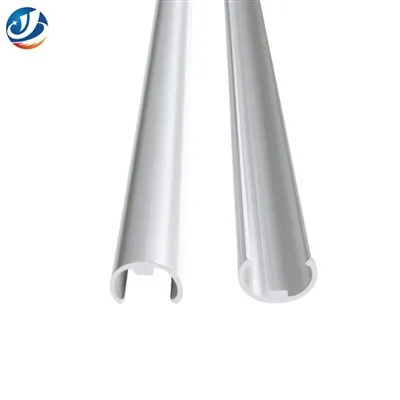
First off, let's talk a bit about what aluminium rail tracks are. Aluminium is a lightweight, corrosion - resistant metal. These properties make it an attractive material for many industries. When it comes to rail tracks, aluminium is extruded into the desired shape. You can check out Aluminum T Track Extrusion and Aluminium Rail Track on our website to get an idea of the different types of extrusions available.
Aluminium track extrusions are made through a process where aluminium alloy is forced through a die to create a specific cross - sectional shape. This allows for a high degree of customization, which is great for different railway designs. Aluminium Track Extrusions can be made in various sizes and configurations to meet the needs of different projects.
Advantages of Using Aluminium Rail Tracks in Underground Railways
One of the biggest advantages of aluminium rail tracks is their weight. Aluminium is much lighter than steel, which is the traditional material for railway tracks. In an underground railway system, this can be a huge plus. Lighter tracks mean less stress on the underground infrastructure. The tunnels and support structures don't have to bear as much weight, which can potentially reduce construction costs and make the overall system more stable.
Another advantage is corrosion resistance. Underground environments are often damp and can be prone to corrosion. Steel tracks can rust over time, which weakens them and requires regular maintenance. Aluminium, on the other hand, forms a natural oxide layer on its surface that protects it from corrosion. This means less maintenance and longer - lasting tracks. You won't have to worry as much about replacing sections of the track due to rust, which can save a lot of money in the long run.
Aluminium also has good electrical conductivity. In many underground railway systems, the tracks are used as part of the electrical power distribution system. The better conductivity of aluminium can lead to more efficient power transfer, reducing energy losses and potentially lowering operating costs.
Challenges of Using Aluminium Rail Tracks in Underground Railways
Of course, it's not all sunshine and rainbows. There are some challenges to using aluminium rail tracks in underground railways. One of the main issues is the strength of aluminium compared to steel. Steel is much stronger and can withstand higher loads. In a busy underground railway where heavy trains are constantly passing over the tracks, the aluminium tracks may experience more wear and tear. This could potentially lead to more frequent replacements, which would increase costs.
Another challenge is the cost of the initial installation. Aluminium is generally more expensive than steel per unit weight. While the long - term savings from reduced maintenance may offset this, the upfront investment can be a deterrent for some railway operators.
The thermal expansion of aluminium is also something to consider. Aluminium expands and contracts more than steel with changes in temperature. In an underground environment, where temperatures can vary, this could cause problems with the track alignment. Special measures would need to be taken to account for this, such as using expansion joints or designing the track layout to accommodate the expansion and contraction.
Case Studies and Research
There have been some studies and real - world applications that give us an idea of how aluminium rail tracks perform in underground settings. Some smaller - scale underground railway projects have experimented with aluminium tracks. In these cases, the lightweight and corrosion - resistant properties of aluminium have been beneficial. However, these projects were often on a much smaller scale than major urban underground railway systems.
Research is ongoing to find ways to improve the strength of aluminium rail tracks. Scientists are looking at different aluminium alloys and heat - treatment processes to make the tracks more durable. Some studies have also focused on optimizing the track design to better handle the challenges of thermal expansion.
Making the Decision
So, can an aluminium rail track be used in underground railways? The answer is yes, but it depends on several factors. For smaller projects or areas where corrosion is a major concern and the load requirements are not extremely high, aluminium rail tracks can be a great option. However, for large - scale, high - traffic underground railway systems, more research and testing may be needed.


If you're considering using aluminium rail tracks for your underground railway project, it's important to work with a knowledgeable supplier. We've been in the business of supplying aluminium rail tracks for a long time, and we can help you understand the pros and cons based on your specific project requirements.
Contact Us for More Information
If you're interested in learning more about our Aluminium Rail Track products or have a project in mind, we'd love to hear from you. We can provide you with detailed information about the different types of extrusions, pricing, and how our products can fit into your underground railway project. Whether you're just starting to explore the possibility or are ready to make a purchase, we're here to assist you.
References
- "Aluminium in Railway Applications" - Journal of Railway Engineering
- "Corrosion Resistance of Aluminium Alloys in Underground Environments" - International Journal of Corrosion Science
- "Thermal Expansion of Aluminium in Railway Tracks" - Railway Technology Research Report