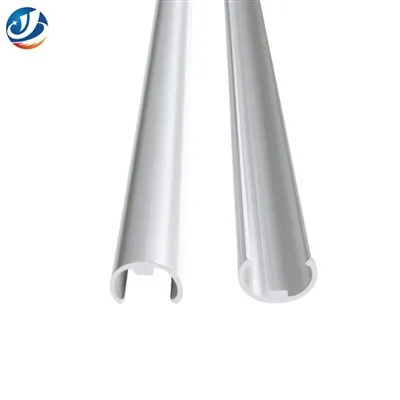
Can extruded aluminum channels be bent? That's a question I get asked a lot as a supplier of Extruded Aluminum Channel. And the short answer is yes, they can! But there's a bit more to it than that, so let's dive in and explore the ins and outs of bending extruded aluminum channels.
First off, let's talk about why you might want to bend an extruded aluminum channel in the first place. There are plenty of reasons! Maybe you're working on a custom architectural project and need a curved or angled channel to fit a specific design. Or perhaps you're building a machine or a piece of equipment that requires a bent channel for structural support or to guide moving parts. Whatever the reason, bending extruded aluminum channels can open up a whole world of possibilities for your projects.


Now, the ability to bend an extruded aluminum channel depends on a few key factors. One of the most important is the type of aluminum alloy used. Different alloys have different properties, including their ductility (the ability to be deformed without breaking). Some alloys are more malleable and easier to bend than others. For example, 6063 aluminum is a popular choice for extrusion because it has good corrosion resistance and is relatively easy to work with, including bending. On the other hand, alloys like 7075 are stronger but less ductile, which means they can be more challenging to bend without cracking or breaking.
Another factor that affects bendability is the wall thickness of the channel. Thicker walls generally make the channel more rigid and less likely to bend easily. If you're planning to bend a channel, you might want to consider using a thinner - walled profile. However, you also need to make sure that the thinner wall can still withstand the forces and loads it will be subjected to in your application.
The shape and size of the channel also play a role. Channels with a simple, uniform cross - section are usually easier to bend than those with complex shapes or multiple internal features. Smaller channels are generally more flexible and easier to manipulate than larger ones.
So, how do you actually bend an extruded aluminum channel? There are a few different methods, each with its own advantages and disadvantages.
One common method is cold bending. This involves using a bending machine or a set of dies to gradually shape the channel at room temperature. Cold bending is relatively simple and cost - effective, especially for small - scale projects. However, it can put a lot of stress on the aluminum, and there's a risk of cracking if the alloy or the bending radius is not suitable.
Hot bending is another option. In hot bending, the aluminum channel is heated to a specific temperature before being bent. This softens the aluminum, making it more malleable and reducing the risk of cracking. Hot bending is often used for more complex bends or when working with less ductile alloys. However, it requires specialized equipment and more expertise, and it can be more expensive than cold bending.
Roll bending is a method that's great for creating long, smooth curves. The channel is passed through a series of rollers that gradually apply pressure and shape the channel. Roll bending is often used in the manufacturing of large - scale structures like architectural facades or industrial pipes.
As a supplier of Extruded Aluminum Channel, I can offer a wide range of products to meet your bending needs. We have Anodized Extruded Aluminum Channel, which not only has good corrosion resistance but also can be bent to your specifications. Our Extruded Aluminum Channel Profiles come in various shapes and sizes, giving you plenty of options for your projects. And if you need metric sizes, we also have Metric Extruded Aluminum Channel available.
When you're planning a project that involves bending extruded aluminum channels, it's a good idea to consult with us early on. We can help you choose the right alloy, wall thickness, and profile for your specific bending requirements. We can also provide technical support and advice on the best bending method for your application.
In addition to supplying high - quality aluminum channels, we can also assist with the bending process if needed. Our team has the experience and expertise to handle both simple and complex bends, ensuring that you get a finished product that meets your exact specifications.
If you're interested in purchasing extruded aluminum channels for your project, whether you need them bent or not, I encourage you to get in touch with us. We're here to help you find the best solutions for your needs. Whether you're an architect, an engineer, a manufacturer, or a DIY enthusiast, we have the products and knowledge to support your project.
In conclusion, extruded aluminum channels can definitely be bent, but it's important to consider factors like alloy type, wall thickness, shape, and size. With the right approach and the right materials, you can achieve the bends you need for your projects. So, don't be afraid to get creative with your designs and explore the possibilities of bent extruded aluminum channels.
References
- Aluminum Association. "Properties and Applications of Aluminum Alloys."
- ASM Handbook, Volume 2: Properties and Selection: Nonferrous Alloys and Special - Purpose Materials.