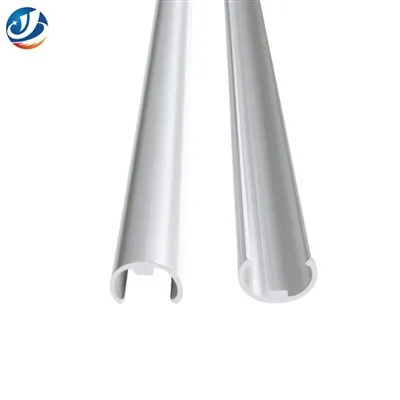
Hey there! As a supplier of Aluminum Camera Housing, I often get asked this question: "Do aluminum camera housings block the camera's signal?" Well, let's dig into this topic and find out.
First off, let's understand how cameras work and what signals they deal with. Most modern cameras, especially those used in security and surveillance, rely on various types of signals. For example, they might send video data over Wi - Fi, Ethernet, or use infrared signals for night vision.
Now, aluminum is a metal, and metals are known for their electrical conductivity and shielding properties. When it comes to electromagnetic signals, metals can act as a barrier. Electromagnetic shielding is the process of reducing the electromagnetic field in a space by blocking the field with a conductive material. So, in theory, an aluminum camera housing could potentially block or interfere with the camera's signals.
Let's talk about Wi - Fi signals. Wi - Fi operates on specific frequencies in the 2.4 GHz and 5 GHz bands. Aluminum can reflect and absorb these electromagnetic waves. If the camera is using Wi - Fi to transmit data, a solid aluminum housing might cause some signal attenuation. Signal attenuation means a reduction in the strength of the signal. However, the extent of this attenuation depends on several factors.
One important factor is the design of the housing. If the aluminum camera housing has proper ventilation holes or slots, these can act as openings for the Wi - Fi signals to pass through. The size, shape, and distribution of these holes play a crucial role. For instance, if the holes are too small, they might not allow enough signal to pass, but if they are too large, they could compromise the structural integrity and protection of the camera.
Another factor is the thickness of the aluminum. A thicker aluminum housing will generally provide more shielding and thus more signal attenuation compared to a thinner one. But manufacturers often find a balance between providing adequate protection for the camera and allowing the signals to pass through.
Infrared signals are also used in cameras, especially for night - vision capabilities. Infrared light is a form of electromagnetic radiation with longer wavelengths than visible light. Aluminum is less likely to block infrared signals compared to Wi - Fi signals. This is because the interaction of aluminum with infrared light is different. Infrared light can penetrate some materials more easily, and aluminum's reflective properties are not as effective against infrared as they are against the shorter - wavelength Wi - Fi signals.
Ethernet signals, which are transmitted through cables, are generally not affected by the aluminum housing. Since the data is transmitted through a physical cable inside the housing, the aluminum does not come into direct contact with the signal path. So, as long as the cable is properly installed and insulated, the aluminum housing won't interfere with the Ethernet - based data transmission.
Now, let's look at the benefits of using an aluminum camera housing despite the potential signal issues. Aluminum is a lightweight and durable material. It offers excellent protection against physical damage, such as impacts, dust, and moisture. This is crucial for cameras that are installed in outdoor or harsh environments. For example, a security camera installed on a building facade needs to withstand wind, rain, and possible vandalism. An Aluminum Camera Housing can provide this level of protection.
It also has good heat - dissipation properties. Cameras generate heat during operation, and if this heat is not dissipated properly, it can affect the performance and lifespan of the camera. Aluminum is a good conductor of heat, so it can transfer the heat away from the camera more efficiently.
When it comes to the design of aluminum camera housings, manufacturers take into account the signal requirements. They use advanced simulation techniques to optimize the housing design. These simulations help them predict how the housing will interact with different types of signals and make adjustments accordingly.
In some cases, additional measures can be taken to minimize signal interference. For example, manufacturers can use signal - boosting antennas inside the housing. These antennas can compensate for the signal attenuation caused by the aluminum. Another option is to use a special coating on the aluminum. Some coatings can reduce the reflective properties of aluminum and allow more signals to pass through.
If you're in the market for an aluminum camera housing, you might also be interested in other aluminum extrusion products. For example, an Aluminum Extruded Box For Speaker is a great option if you're looking for a durable and stylish enclosure for your speakers. And if you need a more general - purpose enclosure, an Aluminium Extrusion Enclosure can be a versatile choice.


So, to answer the question "Do aluminum camera housings block the camera's signal?", the answer is it depends. While aluminum can potentially block or interfere with some signals, proper design and engineering can minimize these effects. Most modern aluminum camera housings are designed to provide a good balance between protection and signal transmission.
If you're considering purchasing an aluminum camera housing, don't hesitate to reach out. We can provide you with detailed information about our products, including how they perform in terms of signal transmission. We have a team of experts who can answer all your questions and help you choose the right housing for your specific needs. Whether you're a security professional, a business owner, or a DIY enthusiast, we've got the right solution for you. So, why not start a conversation today and see how our Aluminum Camera Housing can meet your requirements?
References
- "Electromagnetic Compatibility Engineering" by Henry W. Ott
- "RF and Microwave Circuit Design for Wireless Applications" by Joseph C. Pedro and M. Jorge R. Cavalheiro
- Various research papers on electromagnetic shielding and camera signal transmission