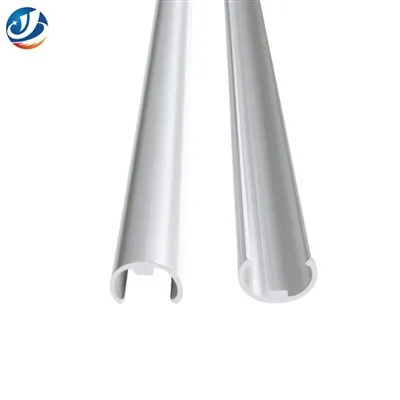
As a supplier of Aluminium Tile Trims, ensuring a proper fit for these products is crucial for both the aesthetic appeal and functionality of the tiling project. In this blog post, I'll share some key steps and considerations to guarantee a flawless fit for aluminium tile trims.
Understanding the Basics of Aluminium Tile Trims
Aluminium tile trims come in a variety of shapes, sizes, and finishes, each designed to serve a specific purpose. Whether it's protecting the edges of tiles, providing a smooth transition between different tile surfaces, or enhancing the overall look of the tiling, choosing the right trim is the first step towards a proper fit.
For instance, the Powder Coated Beige L Shape Tile Trim is ideal for creating a clean and professional finish at the corners of tiles. Its L-shaped design provides excellent protection and a seamless look. On the other hand, the Aluminium Stair Nosing Edge Trim is specifically designed for staircases, offering both safety and style.
Measuring for a Proper Fit
Accurate measurements are the foundation of a proper fit for aluminium tile trims. Before purchasing the trims, it's essential to measure the length and width of the areas where the trims will be installed. Here are some tips for measuring:
- Use a Quality Measuring Tape: A good measuring tape will ensure accurate measurements. Make sure to measure in a straight line and double-check your measurements to avoid any errors.
- Measure Twice, Cut Once: This age-old adage holds true for installing aluminium tile trims. Take your time to measure the areas carefully and record the measurements accurately. If possible, have someone else verify your measurements to ensure their accuracy.
- Account for Expansion and Contraction: Aluminium is a material that expands and contracts with changes in temperature. When measuring for the trims, it's important to leave some room for expansion and contraction to prevent the trims from buckling or warping over time. A general rule of thumb is to leave a small gap of about 1/8 inch (3 mm) between the trims and the tiles.
Choosing the Right Trim Profile
The trim profile you choose will depend on the specific requirements of your tiling project. Here are some common trim profiles and their applications:
- L-Shaped Trim: As mentioned earlier, L-shaped trims are ideal for creating a clean and professional finish at the corners of tiles. They provide excellent protection and a seamless look.
- U-Shaped Trim: U-shaped trims are used to cover the edges of tiles and provide a smooth transition between different tile surfaces. They are commonly used in areas where the tiles meet a wall or another surface.
- Round Edge Trim: Aluminium Round Edge Tile Trim is designed to provide a soft and rounded edge to the tiles. It is often used in areas where a more decorative look is desired, such as in bathrooms or kitchens.
- Stair Nosing Trim: Stair nosing trims are specifically designed for staircases. They provide both safety and style by protecting the edges of the stairs and preventing slips and falls.
- Edge Trim Profiles: Aluminium Edge Trim Profiles come in a variety of shapes and sizes and are used to cover the edges of tiles and provide a finished look. They can be used in both residential and commercial applications.
Preparing the Surface
Before installing the aluminium tile trims, it's important to prepare the surface properly. Here are some steps to follow:
- Clean the Surface: Make sure the surface where the trims will be installed is clean and free of dirt, dust, and debris. Use a mild detergent and water to clean the surface, and then dry it thoroughly.
- Check for Levelness: The surface should be level and flat to ensure a proper fit for the trims. Use a level to check the surface and make any necessary adjustments.
- Apply Adhesive: Depending on the type of trim and the surface, you may need to apply adhesive to the back of the trim before installing it. Make sure to use a high-quality adhesive that is suitable for the materials you are working with.
Installing the Aluminium Tile Trims
Once you have measured, chosen the right trim profile, and prepared the surface, it's time to install the aluminium tile trims. Here are some steps to follow:
- Cut the Trims to Size: Using a sharp pair of tin snips or a saw, cut the trims to the appropriate length. Make sure to cut the trims at a 45-degree angle for a clean and professional finish at the corners.
- Position the Trims: Place the trims in the desired location on the surface and make sure they are aligned properly. Use a level to check the alignment and make any necessary adjustments.
- Secure the Trims: Once the trims are in place, use the adhesive or fasteners to secure them to the surface. Make sure to follow the manufacturer's instructions for applying the adhesive or using the fasteners.
- Fill the Gaps: After the trims are installed, fill any gaps between the trims and the tiles with caulk or grout. This will provide a seamless look and prevent water from seeping into the gaps.
Maintenance and Care
Proper maintenance and care of the aluminium tile trims will ensure their longevity and performance. Here are some tips for maintaining and caring for the trims:
- Clean the Trims Regularly: Use a mild detergent and water to clean the trims regularly. Avoid using abrasive cleaners or scrubbers, as they can damage the finish of the trims.
- Inspect the Trims for Damage: Periodically inspect the trims for any signs of damage, such as scratches, dents, or corrosion. If you notice any damage, repair or replace the trims as soon as possible.
- Protect the Trims from Abrasion: Avoid using sharp or abrasive objects on the trims, as they can scratch or damage the finish. Use coasters or mats to protect the trims from abrasion.
Conclusion
Ensuring a proper fit for aluminium tile trims is essential for the success of any tiling project. By following the steps and considerations outlined in this blog post, you can guarantee a flawless fit for your trims and achieve a beautiful and functional tiling result.
If you're interested in purchasing high-quality aluminium tile trims for your next project, please don't hesitate to contact us. We offer a wide range of trims in various shapes, sizes, and finishes to meet your specific needs. Our team of experts is always available to provide you with professional advice and support. Let's work together to create a stunning tiling project!


References
- "Aluminium Tile Trims: A Guide to Selection and Installation." Tile Association, 2023.
- "How to Install Aluminium Tile Trims." DIY Network, 2022.
- "Maintaining Aluminium Tile Trims." Home Improvement Magazine, 2021.