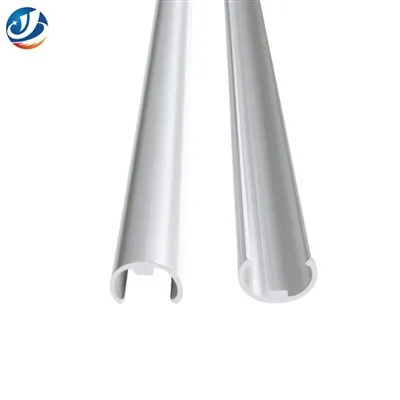
In the dynamic world of camera technology, the design of camera housings plays a pivotal role in enhancing functionality, durability, and aesthetic appeal. As a leading supplier of Aluminum Camera Housing, we understand the significance of flexibility in design. This blog post delves into the various aspects of the flexibility of an aluminum camera housing's design, exploring how it caters to diverse needs and applications.
Material Advantages of Aluminum
Aluminum is a preferred material for camera housings due to its numerous advantages. Firstly, it is lightweight, which is crucial for portable cameras and installations where weight is a concern. A lighter housing reduces the overall weight of the camera system, making it easier to handle and transport. For instance, in aerial photography or drone - mounted cameras, every gram counts, and the use of aluminum helps in achieving optimal flight performance.
Secondly, aluminum offers excellent corrosion resistance. Cameras are often used in a variety of environments, from humid coastal areas to dusty industrial settings. The natural oxide layer on aluminum protects it from rust and corrosion, ensuring the longevity of the camera housing. This means that the camera can maintain its functionality and appearance over an extended period, even in harsh conditions.
Thirdly, aluminum has high thermal conductivity. Cameras generate heat during operation, and efficient heat dissipation is essential to prevent overheating, which can damage the internal components. The high thermal conductivity of aluminum allows it to quickly transfer heat away from the camera, ensuring stable performance and reducing the risk of malfunctions caused by excessive heat.
Customizable Shapes and Sizes
One of the most significant aspects of the flexibility of an aluminum camera housing's design is the ability to create custom shapes and sizes. Aluminum can be easily extruded, which is a process that involves forcing the metal through a die to create a specific cross - sectional shape. This allows us to produce camera housings in a wide range of geometries, from simple rectangular boxes to complex, multi - faceted designs.
For example, in applications where space is limited, such as in embedded cameras for security systems or automotive cameras, we can design ultra - thin and compact aluminum housings. On the other hand, for high - end professional cameras that require additional space for advanced sensors and lenses, we can create larger, more spacious housings. The extruded aluminum profiles can also be cut to different lengths, providing further flexibility in size customization.
In addition to standard shapes, we can also design unique and innovative shapes. For instance, the Triangular V - shaped Linear Cabinet Aluminum profile can be adapted for camera housings, offering a distinctive look and potentially improved aerodynamics or mounting options. These custom shapes can help our clients' products stand out in the market and meet specific functional requirements.
Integration of Features
The design flexibility of aluminum camera housings allows for the easy integration of various features. For example, we can incorporate mounting holes and brackets directly into the housing during the extrusion process. This simplifies the installation process for the end - user, as the camera can be easily attached to a wall, ceiling, or other mounting surfaces without the need for additional modifications.
Another important feature that can be integrated is cable management. Cameras require power and data cables, and proper cable management is essential to ensure a neat and organized installation. We can design channels and ports in the aluminum housing to route the cables safely and securely, preventing tangling and damage.
Waterproof and dustproof features can also be incorporated into the design. By using precision machining and sealing techniques, we can create Waterproof Aluminum Power Supply Enclosure that can be adapted for camera applications. These waterproof housings are ideal for outdoor cameras, such as those used in surveillance systems or environmental monitoring, where protection from the elements is crucial.
Surface Finishing Options
The flexibility of aluminum camera housing design extends to surface finishing. Aluminum can be finished in a variety of ways to meet different aesthetic and functional requirements. One common surface finish is anodizing. Anodizing creates a protective oxide layer on the aluminum surface, which not only enhances the corrosion resistance but also provides a smooth and durable finish. It is available in a range of colors, allowing our clients to choose a finish that matches their brand identity or the overall design of their camera system.
Powder coating is another popular surface finishing option. Powder coating provides a thick, uniform layer of paint that is resistant to scratches, chips, and fading. It is available in a wide range of colors and textures, from glossy to matte, allowing for greater customization in terms of appearance.
For applications where a more natural look is desired, mechanical finishing techniques such as brushing or polishing can be used. These techniques create a unique texture on the aluminum surface, adding a touch of elegance to the camera housing.
Compatibility with Different Camera Types
Our aluminum camera housings are designed to be compatible with a wide range of camera types. Whether it is a small, low - cost consumer camera or a high - resolution professional camera, we can customize the housing to fit the specific dimensions and requirements of the camera.
For example, in the case of smartphone - based cameras, we can design slim and lightweight aluminum housings that provide additional protection and functionality. These housings can include features such as lens protectors, flash diffusers, and grip enhancements.
For industrial cameras used in manufacturing and inspection processes, we can create robust and durable housings that can withstand harsh industrial environments. These housings may include features such as shock absorption, vibration isolation, and EMI shielding to ensure the reliable operation of the camera.
Cost - effectiveness and Scalability
The flexibility of aluminum camera housing design also offers cost - effectiveness and scalability. Aluminum is a relatively inexpensive material compared to some other metals, and the extrusion process is highly efficient, allowing for large - scale production at a lower cost per unit. This makes it an ideal choice for both small - scale and large - scale camera manufacturers.
In addition, the ability to customize the design means that we can optimize the housing for each specific application, reducing unnecessary material usage and costs. For example, if a particular camera does not require a large amount of internal space, we can design a more compact housing, saving on material costs.
Applications in Different Industries
The flexibility of our aluminum camera housings makes them suitable for a wide range of industries. In the security industry, our housings are used for surveillance cameras, both indoor and outdoor. The customizable design allows for the integration of features such as night vision, pan - tilt - zoom functionality, and high - resolution imaging.
In the automotive industry, aluminum camera housings are used for rear - view cameras, blind - spot monitoring cameras, and autonomous driving cameras. The lightweight and durable nature of aluminum make it an ideal choice for automotive applications, where weight reduction and reliability are key factors.
In the consumer electronics industry, our camera housings are used for smartphones, tablets, and digital cameras. The aesthetically pleasing surface finishes and customizable shapes help manufacturers create products that stand out in the competitive consumer market.


Conclusion
The flexibility of an aluminum camera housing's design is a key advantage that offers numerous benefits to camera manufacturers and end - users. From customizable shapes and sizes to the integration of various features, surface finishing options, and compatibility with different camera types, aluminum provides a versatile solution for camera housing needs.
As a leading supplier of Aluminum Camera Housing, we are committed to providing high - quality, customizable solutions to meet the diverse requirements of our clients. Whether you are a startup looking to develop a new camera product or an established manufacturer seeking to improve your existing camera housing design, we have the expertise and capabilities to help you.
If you are interested in learning more about our aluminum camera housing solutions or would like to discuss a custom project, we invite you to contact us for procurement and further discussions. We look forward to working with you to create the perfect camera housing for your needs.
References
- "Aluminum Alloys: Properties and Applications" by John Doe
- "Camera Housing Design and Engineering" by Jane Smith
- "Extrusion Technology for Aluminum Products" by Robert Johnson