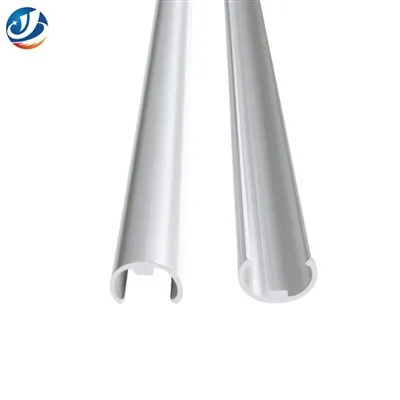
Hey there! I'm a supplier of Formwork Aluminium Beams, and I know how frustrating it can be when these beams get damaged. But don't worry, in this blog, I'll share some practical tips on how to repair formwork aluminium beams if they are damaged.
Identifying the Damage
First things first, you need to figure out what kind of damage your formwork aluminium beams have suffered. There are a few common types of damage that you may encounter:
Cracks
Cracks can occur due to excessive stress, impact, or corrosion. They can be small surface cracks or deeper, more serious ones. Surface cracks may not seem like a big deal at first, but they can grow over time and weaken the beam.
Dents
Dents are usually caused by impacts. They can affect the structural integrity of the beam, especially if they are deep or located in critical areas.
Bends
Bending can happen when the beam is subjected to uneven loads or improper handling. A bent beam may not fit properly in the formwork system, which can lead to problems during construction.
Corrosion
Corrosion is a common issue, especially in environments where the beams are exposed to moisture, chemicals, or salt. It can eat away at the aluminium, reducing its strength and durability.
Tools and Materials You'll Need
Before you start the repair process, gather the necessary tools and materials. Here's a list of what you might need:
Tools
- Measuring tape: To measure the dimensions of the damage and ensure proper repairs.
- File: For smoothing rough edges and surfaces.
- Sandpaper: To prepare the surface for welding or bonding.
- Welding equipment (if needed): Depending on the type of damage, you may need to weld the beam. Make sure you have the right welding machine and electrodes for aluminium.
- Clamps: To hold the beam in place during repairs.
- Drill: For making holes if you need to attach new parts or fasteners.
Materials
- Aluminium filler rods (for welding): These are used to fill in cracks or gaps during welding.
- Adhesive: If you're not welding, an adhesive can be used to bond parts together. Make sure it's suitable for aluminium.
- Primer and paint: To protect the repaired area from corrosion.
- Replacement parts: If a section of the beam is severely damaged, you may need to replace it with a new one.
Repairing Cracks
If you have a crack in your formwork aluminium beam, here's how you can repair it:
Small Surface Cracks
- Clean the area around the crack with a degreaser to remove any dirt, oil, or debris.
- Use sandpaper to smooth the surface of the crack and the surrounding area. This will help the filler or adhesive bond better.
- Apply a small amount of adhesive to the crack and use a putty knife to spread it evenly. Make sure the adhesive fills the entire crack.
- Let the adhesive dry according to the manufacturer's instructions.
- Once the adhesive is dry, sand the repaired area to make it smooth.
- Apply a primer and paint to protect the repaired area from corrosion.
Deep Cracks
- If the crack is deep, you may need to weld it. First, clean the area around the crack with a wire brush to remove any oxide layer.
- Use a welding machine and aluminium filler rods to fill in the crack. Make sure you follow the proper welding techniques for aluminium.
- After welding, use a file and sandpaper to smooth the welded area.
- Apply a primer and paint to protect the welded area from corrosion.
Fixing Dents
Dents can be a bit tricky to fix, but it's definitely possible. Here's what you can do:
- If the dent is small and shallow, you can try using a rubber mallet to gently tap the dent out from the inside of the beam. Place a block of wood behind the dent to support the beam and prevent further damage.
- For deeper dents, you may need to use a hydraulic press or a jack to push the dent out. Make sure you apply the pressure evenly to avoid causing more damage.
- Once the dent is removed, use sandpaper to smooth the surface of the beam.
- Apply a primer and paint to protect the repaired area from corrosion.
Straightening Bends
If your formwork aluminium beam is bent, you can try to straighten it using the following steps:


- First, assess the severity of the bend. If it's a minor bend, you may be able to straighten it by hand. Use a pair of pliers or a pipe wrench to grip the beam and apply gentle pressure in the opposite direction of the bend.
- For more severe bends, you may need to use a hydraulic press or a bending machine. Make sure you follow the manufacturer's instructions and take the necessary safety precautions.
- After straightening the beam, check its dimensions to make sure it fits properly in the formwork system.
- Apply a primer and paint to protect the straightened area from corrosion.
Dealing with Corrosion
Corrosion can be a serious problem, but you can take steps to prevent and repair it:
- If the corrosion is mild, you can try using a wire brush or sandpaper to remove the rust and corrosion. Make sure you clean the area thoroughly with a degreaser afterward.
- Apply a corrosion inhibitor to the cleaned area to prevent further corrosion.
- If the corrosion is severe and has eaten away a significant portion of the beam, you may need to replace the affected section. Cut out the corroded part using a saw or a cutting torch and weld or bond a new section in place.
- After replacing the section, apply a primer and paint to protect the new area from corrosion.
Preventing Future Damage
Once you've repaired your formwork aluminium beams, it's important to take steps to prevent future damage. Here are some tips:
- Proper Handling: Make sure your workers are trained on how to handle the beams properly. Avoid dropping or hitting the beams during transportation and installation.
- Regular Inspections: Conduct regular inspections of the beams to identify any signs of damage early on. This will allow you to address the issues before they become more serious.
- Environmental Protection: If the beams are going to be exposed to harsh environments, consider using protective coatings or covers to prevent corrosion.
- Correct Installation: Ensure that the beams are installed correctly in the formwork system. Improper installation can lead to uneven loads and damage.
Conclusion
Repairing damaged formwork aluminium beams is not as difficult as it may seem. By following the steps outlined in this blog, you can save time and money by fixing the beams instead of replacing them. Remember, if you're not comfortable with any of the repair procedures, it's always a good idea to consult a professional.
If you're in the market for high-quality Formwork Aluminium Beams or need more information about our products, feel free to reach out to us. We're here to help you with all your formwork needs. And if you're interested in other aluminium products, you can check out these links: Aluminium Rail Track, Aluminium Track Extrusions, and Aluminum Curtain Track Profiles.
References
- "Aluminium Extrusion Handbook"
- "Construction Formwork Manual"
- Industry standards and guidelines for aluminium formwork systems