Hey folks, if you’ve ever browsed aluminium frame profiles for a project—whether it’s for a store fixture, residential door, or even a shop display—you’ve probably wondered, “Is this actually worth the cost?” As someone who’s been an aluminium frame profile supplier for over a decade, I talk to contractors, shop owners, and DIYers every week who fixate on sticker price alone. But here’s the thing: cost-effectiveness with these profiles isn’t just about what you pay upfront. It’s a mix of material specs, manufacturing choices, how it’s used, and even long-term maintenance. Let’s break down the key factors that actually add (or subtract) value, without the boring jargon.
First, let’s start with the basics: what makes aluminium frame profiles different from, say, wood or steel? Aluminium is super lightweight but way stronger than it looks, and it doesn’t rot, warp, or rust the way those materials do. But not all aluminium profiles are created equal— that’s where the first cost-effectiveness factor comes in: alloy grade. I’ve seen customers go for the cheapest alloy just to save a few bucks, only to deal with problems down the line. For example, 6063-T5 alloy is the go-to for most door and window frames because it’s easy to extrude (that’s the process of shaping aluminium into profiles, by the way) and has good corrosion resistance. It’s perfect for stuff like aluminum door frame extrusions — if you use a lower-grade alloy, it might bend under pressure or discolor in humid climates, leading to costly replacements in 2-3 years instead of 10+. We always tell clients: splurge a little on the right alloy, and you’ll skip the headache of premature repairs.
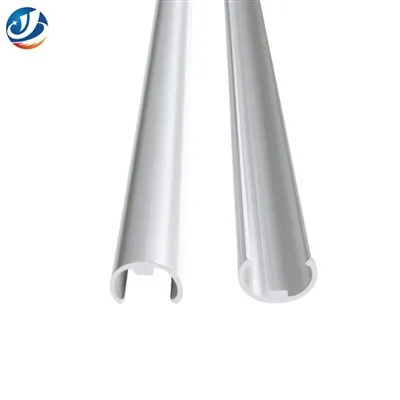
Next up, profile design complexity. A lot of people think a simpler profile is cheaper, and that’s true for the manufacturing step— but not always for the end use. Let’s take curtain rods, for example. A super thin, basic curtain rod of aluminium profile might be $5 per piece, but if it can’t hold heavy blackout curtains without sagging, you’ll have to replace it a few months later. A slightly thicker, engineered profile that’s $7 might cost 40% more upfront, but it lasts years longer and doesn’t sag— that’s way more cost-effective. The same goes for display panels: a flimsy aluminum display panel might crack if you bump it, but a reinforced one with a corner brace costs a bit more, but can handle heavy traffic in a store without damage. It’s all about balancing design with the load the profile will carry.
Then there’s finishing. When you get a profile extruded, you can leave it raw (that’s the cheapest option) or add a finish like powder coating, anodizing, or painting. Raw aluminium looks sleek but scratches easily and can oxidize in coastal areas (salt air is a killer). Powder coating, on the other hand, is durable, comes in tons of colors, and resists chipping, fading, and corrosion. I’ve had a client who went with raw profiles for a beachfront storefront— within a year, they had to sand and re-paint because the metal was corroding. If they’d paid 20% more for powder-coated profiles, they’d have saved thousands in maintenance. Another example: aluminium door handle extrusions — a painted finish might chip near the grip area, but anodized is harder and stays looking new for decades. Finishing isn’t just about looks; it’s about how much you’ll spend upkeep over time.
Installation ease is another big one that’s easy to overlook. If a profile is hard to cut, drill, or fit, your install time goes up— and labor is often the biggest cost in a project. Let’s say you’re putting up slatwall panels for a retail shop. A aluminum slatwall panel single sided that’s pre-notched and comes with easy-to-follow installation guides might take 15 minutes per panel, while a generic panel that requires custom cuts could take 30 minutes. If you’re installing 100 panels, that’s 25 extra hours of labor— which at $50 an hour is $1,250 more. As a supplier, we engineer our profiles to be install-friendly, because we know that saving on labor makes the whole project way more cost-effective for the customer. Even a slightly more expensive profile that cuts install time is a better pick than a cheap one that takes twice as long to put together.
Now, long-term durability and maintenance. This ties back to alloy and finish, but it’s worth calling out separately because so many people forget about it. Wood frames, for example, need to be painted every 2-3 years— that’s recurring cost and time. Steel frames rust if not properly treated, so you have to sand and re-coat every few years. Aluminium? With the right alloy and finish, it’s basically zero maintenance. We have clients who installed our door frames 15 years ago in industrial settings, and they still look almost new— no rust, no warping, no repainting. When you calculate the total cost over 10 years, a $100 aluminium frame is way cheaper than a $70 wood frame that costs $80 in paint and labor over that same decade. It’s not sexy, but those hidden long-term costs make all the difference.


Wait, what about quantity? A lot of suppliers, including us, offer bulk discounts, but that’s only cost-effective if you actually need the quantity. If you buy 500 profiles for a project that only needs 300, you’re wasting money on extra material and storage. But if you’re a contractor doing multiple projects, buying in bulk saves you per-unit costs without wasting stuff. Also, don’t forget about scrap. Aluminium is 100% recyclable, so if you have leftover profiles, you can sell them back for a decent amount— that’s a little extra cash to offset your initial cost. Wood or steel scrap is way less valuable, so that’s another win for aluminium.
Let me share a real quick example from a client last year. A small café owner came to us looking for door frames and curtain rods. They initially budgeted $800 for both, going for the cheapest raw aluminium door frames ($150 total) and a basic curtain rod ($20). We suggested upgrading to 6063-T5 alloy powder-coated door frames ($250) and a reinforced curtain rod ($35). They thought we were overcharging, but when we did the math: their original setup would have needed repainting the door frames in 3 years ($100) and replacing the curtain rod when it sagged in 2 years ($20), plus another $100 to fix the door frame when it got dented from deliveries. Over 5 years, their initial cheap option cost them $800 + $100 + $20 + $100 = $1,020. Our suggested option cost them $285, no maintenance, no replacements. They ended up saving almost $750, and their space looked better the whole time. That’s exactly what we mean by cost-effectiveness— it’s not about the lowest price, it’s about the total value.
Another thing: compatibility with other products. A lot of people don’t think about this, but if your aluminium profiles don’t work with the hardware you already have, you’ll have to buy new parts, which adds up. For example, aluminium door handle extrusion — if your profile is a standard size, it fits most handles on the market, but if you go for a custom profile, you might have to buy handles that are specifically made for it, which are more expensive. Same with display panels: if your panel is a standard width, you can use standard mounting hardware, but custom sizes require special brackets. We design our profiles to be compatible with common hardware, so our customers don’t have to spend extra on custom parts. That’s a small detail, but it adds to the overall cost-effectiveness.
I should also mention weight, if you’re transporting the profiles. Aluminium is super lightweight compared to steel, so shipping costs are lower. If you’re getting a large order, the difference in shipping can be hundreds of dollars. For example, 100 aluminium door frames weigh half as much as 100 steel door frames, so your freight cost is way less. That’s another often-overlooked factor that makes aluminium more cost-effective upfront.
Let’s wrap this up with what it all boils down to: cost-effectiveness for aluminium frame profiles isn’t a single number. It’s a mix of choosing the right alloy for your environment, picking a design that fits your load needs, adding a finish that doesn’t require constant upkeep, making sure it’s easy to install, and accounting for long-term costs instead of just the sticker price. As someone in the business, I’ve seen too many people make the mistake of going cheap and regretting it later— and too many others who take a minute to look at the whole picture and end up with a better product for less total money.
If you’re working on a project— whether it’s a residential remodel, retail store, office build, or anything else— and want to talk through which aluminium frame profile is right for you, feel free to reach out. We can walk you through all the factors, answer questions about the specific profiles you’re looking at, and make sure you get something that’s both high-quality and cost-effective for your needs. Don’t just go for the cheapest option— consider the whole value, and you’ll be glad you did.
References
- Aluminium Association. (2022). “Alloy Selection Guidelines for Extruded Aluminium Profiles.” Retrieved from aluminium.org/alloy-guidelines
- Powder Coating Industry Association. (2023). “Durability of Powder Coating vs. Anodizing for Architectural Applications.” Retrieved from powcoating.org/durability-guide
- National Association of Home Builders. (2021). “Cost Comparison of Building Materials: Aluminium vs. Wood vs. Steel for Exterior Frames.” Retrieved from nahb.org/material-costs-2021
- Retail Design Institute. (2022). “Cost-Effective Fixtures for Small Retail Spaces: Aluminium Profile Solutions.” Retrieved from retaildesign.org/fixture-costs