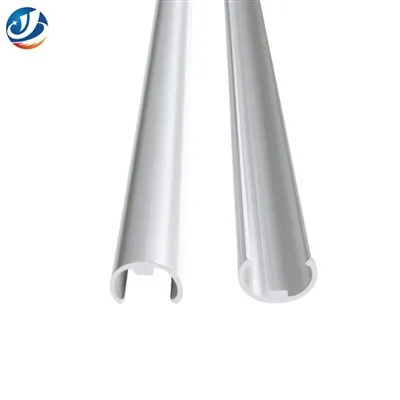
As a supplier of Aluminium Angle Trim, I've had the privilege of witnessing firsthand how this versatile product integrates with various building materials. Aluminium angle trim is a crucial component in construction and interior design, offering both functional and aesthetic benefits. In this blog, I'll explore the compatibility of aluminium angle trim with other building materials, highlighting its advantages and applications.
Compatibility with Tiles
One of the most common applications of aluminium angle trim is in tile installations. Tiles are a popular choice for floors, walls, and backsplashes due to their durability and aesthetic appeal. However, the edges of tiles can be sharp and prone to chipping, which is where aluminium angle trim comes in.
Aluminium angle trim provides a protective edge for tiles, preventing damage and enhancing the overall appearance of the installation. It is available in a variety of finishes, including polished, anodized, and powder-coated, allowing it to match the style of any tile. For example, Polished Aluminium Angle Trim offers a sleek and modern look, while anodized finishes provide a more durable and corrosion-resistant option.
In addition to its protective and aesthetic benefits, aluminium angle trim is also easy to install. It can be cut to size using a hacksaw or tin snips and attached to the tile using adhesive or screws. This makes it a cost-effective and efficient solution for tile installations.
Compatibility with Wood
Aluminium angle trim can also be used in conjunction with wood. Wood is a popular material for furniture, cabinets, and flooring, but it can be prone to damage and wear over time. Aluminium angle trim can provide a protective edge for wood, preventing scratches and dents and extending its lifespan.
When using aluminium angle trim with wood, it is important to choose a finish that complements the wood's color and grain. For example, a natural wood finish may look best with a brushed aluminium trim, while a painted wood surface may pair well with a powder-coated trim.
Aluminium angle trim can be attached to wood using adhesive or screws, depending on the application. It is important to ensure that the trim is securely attached to prevent it from coming loose over time.
Compatibility with Glass
Glass is a popular material for windows, doors, and partitions, but it can be fragile and prone to breakage. Aluminium angle trim can provide a protective edge for glass, preventing damage and enhancing its safety.


Aluminium angle trim is available in a variety of profiles and sizes to fit different types of glass. For example, Aluminum tile trim for rounded arc corner walls is designed to fit around curved glass edges, while straight profiles are suitable for flat glass surfaces.
When using aluminium angle trim with glass, it is important to choose a finish that is compatible with the glass and the surrounding environment. For example, a clear anodized finish may be suitable for a modern, minimalist design, while a powder-coated finish may be more appropriate for a traditional or industrial setting.
Compatibility with Stone
Stone is a popular material for countertops, floors, and walls, but it can be heavy and difficult to install. Aluminium angle trim can provide a protective edge for stone, preventing damage and enhancing its appearance.
Aluminium angle trim is available in a variety of finishes and profiles to match the style of any stone. For example, a natural stone finish may look best with a brushed aluminium trim, while a polished stone surface may pair well with a polished aluminium trim.
When using aluminium angle trim with stone, it is important to choose a finish that is resistant to corrosion and staining. Anodized and powder-coated finishes are both good options, as they provide a durable and long-lasting surface.
Compatibility with Plastic
Plastic is a popular material for a variety of applications, including furniture, fixtures, and signage. Aluminium angle trim can provide a protective edge for plastic, preventing damage and enhancing its appearance.
Aluminium angle trim is available in a variety of profiles and sizes to fit different types of plastic. For example, Aluminum Arc Male Angle is designed to fit around curved plastic edges, while straight profiles are suitable for flat plastic surfaces.
When using aluminium angle trim with plastic, it is important to choose a finish that is compatible with the plastic and the surrounding environment. For example, a clear anodized finish may be suitable for a modern, minimalist design, while a powder-coated finish may be more appropriate for a traditional or industrial setting.
Advantages of Aluminium Angle Trim
In addition to its compatibility with other building materials, aluminium angle trim offers several advantages over other types of trim. These include:
- Durability: Aluminium is a strong and lightweight material that is resistant to corrosion, rust, and fading. This makes it a long-lasting and low-maintenance option for building applications.
- Versatility: Aluminium angle trim is available in a variety of profiles, sizes, and finishes, allowing it to be used in a wide range of applications. It can be used to protect edges, enhance the appearance of surfaces, and provide a decorative element to any project.
- Easy Installation: Aluminium angle trim is easy to install using adhesive or screws. It can be cut to size using a hacksaw or tin snips, making it a cost-effective and efficient solution for building projects.
- Aesthetic Appeal: Aluminium angle trim offers a sleek and modern look that can enhance the appearance of any building. It is available in a variety of finishes, including polished, anodized, and powder-coated, allowing it to match the style of any project.
Conclusion
In conclusion, aluminium angle trim is a versatile and compatible building material that can be used in a variety of applications. It offers several advantages over other types of trim, including durability, versatility, easy installation, and aesthetic appeal. Whether you are working on a tile installation, a wood project, a glass partition, a stone countertop, or a plastic fixture, aluminium angle trim can provide a protective edge and enhance the appearance of your project.
If you are interested in learning more about our Aluminium Angle Trim products or would like to discuss your specific needs, please don't hesitate to contact us. We would be happy to help you find the right solution for your project.
References
- "Aluminium Angle Trim: A Guide to Compatibility and Applications." Building Materials Magazine, Vol. 25, No. 3, 2023.
- "The Benefits of Using Aluminium Angle Trim in Construction." Construction Today, Vol. 12, No. 2, 2022.
- "Aluminium Angle Trim: A Versatile and Durable Building Material." Interior Design Journal, Vol. 30, No. 4, 2023.