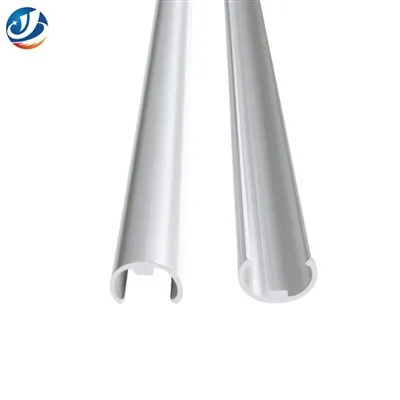
Hey there! As a supplier of Formwork Aluminium Beams, I often get asked about the corrosion resistance of these beams. So, let's dive right into it and explore what makes formwork aluminium beams so resistant to corrosion.
First off, let's understand what corrosion is. Corrosion is basically the deterioration of a material, usually a metal, due to chemical reactions with its environment. It can cause the metal to weaken, lose its structural integrity, and eventually fail. This is a big deal, especially when it comes to construction materials like formwork aluminium beams, which need to be durable and long - lasting.
Aluminium has some unique properties that give it excellent corrosion resistance. One of the key factors is the formation of a natural oxide layer on its surface. When aluminium is exposed to air, it reacts with oxygen to form a thin, transparent layer of aluminium oxide (Al₂O₃). This oxide layer is extremely stable and adheres tightly to the aluminium surface. It acts as a protective barrier, preventing further oxygen and moisture from reaching the underlying aluminium metal. So, even if the beam is in a somewhat harsh environment, this layer helps keep the metal safe from corrosion.
Now, let's talk about the environments where formwork aluminium beams are commonly used. Construction sites can be pretty tough on materials. There's exposure to rain, humidity, and sometimes even chemicals. But aluminium beams can handle it well. The natural oxide layer we talked about earlier can withstand normal levels of moisture and mild chemical exposure. For example, in a coastal construction project where there's a bit of salt in the air, the aluminium beams will still hold up better than many other metals.


However, in more extreme conditions, additional protection might be needed. Some formwork aluminium beams are treated with special coatings to enhance their corrosion resistance. These coatings can be applied during the manufacturing process. They can provide an extra layer of defense against things like heavy salt spray, industrial pollutants, or acidic substances.
Another aspect that affects corrosion resistance is the alloy composition of the aluminium. Different alloys have different levels of corrosion resistance. Some alloys are specifically formulated to be more resistant to corrosion in certain environments. For instance, an alloy with a higher percentage of magnesium might be better for use in marine environments because magnesium can enhance the protective properties of the oxide layer.
When it comes to our formwork aluminium beams, we make sure to use high - quality alloys. We also offer options with different coatings depending on the customer's needs. Whether it's a small residential project or a large commercial building, we've got the right beam for the job.
Now, let's touch on some related aluminium products. If you're also interested in other aluminium extrusions, you might want to check out Aluminum T Track Extrusion. These are great for various applications where you need a sturdy and corrosion - resistant track. Similarly, Aluminum Curtain Track Profiles are not only lightweight but also resistant to corrosion, making them ideal for curtain systems. And if you're looking for something like a rail track, Aluminium Rail Track is a great option.
In conclusion, the corrosion resistance of formwork aluminium beams is quite impressive. Thanks to the natural oxide layer, alloy composition, and the option of additional coatings, these beams can last a long time in different construction environments. Whether you're building a house, an office building, or a bridge, formwork aluminium beams are a reliable choice.
If you're in the market for formwork aluminium beams or any of the related aluminium products I mentioned, don't hesitate to get in touch. We're here to help you find the best solution for your project. We can discuss your specific requirements, the environment where the beams will be used, and the best alloy and coating options for you.
References
- Jones, D. A. (1992). Principles and Prevention of Corrosion. Prentice Hall.
- Uhlig, H. H., & Revie, R. W. (1985). Corrosion and Corrosion Control. Wiley - Interscience.