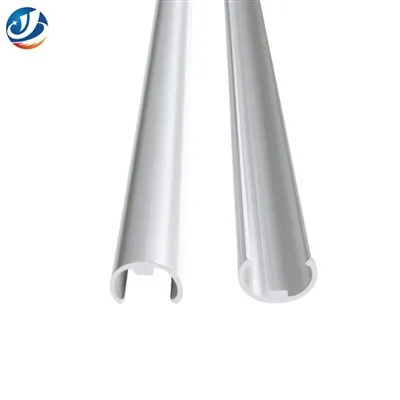
Flexibility is a crucial characteristic when it comes to aluminium rail tracks. As a leading supplier of Aluminium Rail Track, I've witnessed firsthand how this flexibility impacts various applications. In this blog, I'll delve into what the flexibility of an aluminium rail track truly means, its significance, and how it benefits different industries.
Understanding the Concept of Flexibility in Aluminium Rail Tracks
Flexibility in an aluminium rail track refers to its ability to bend or deform under load without breaking. This is a complex property that is influenced by several factors, including the alloy composition of the aluminium, the manufacturing process, and the cross - sectional design of the rail.
Aluminium is a naturally malleable metal. Different aluminium alloys are used in rail track production, each with its own set of mechanical properties. For example, some alloys may be more ductile, allowing for greater deformation before failure. The manufacturing process, such as extrusion, can also enhance the flexibility of the rail. Extruded aluminium rail tracks, like the Aluminum T Track Extrusion, are shaped under high pressure, which can align the aluminium grains in a way that improves its overall flexibility and strength.
The cross - sectional design of the rail is another key factor. Rails with a well - designed cross - section can distribute stress more evenly when a load is applied. This means that the rail can bend gradually rather than experiencing sudden, catastrophic failure. For instance, a rail with a wider base and a more streamlined top may be more flexible and better able to handle dynamic loads.
Significance of Flexibility in Different Applications
Industrial Automation
In industrial automation, aluminium rail tracks are often used to guide the movement of robotic arms, conveyor systems, and other automated equipment. The flexibility of these rails is essential because it allows for the customization of the track layout. Manufacturers can easily bend the rails to fit the specific requirements of their production lines. This is especially useful in facilities where space is limited or where the production process requires complex movement patterns. The Aluminium Track Extrusions can be bent to create curved sections, enabling smooth and efficient movement of automated equipment around corners.
Transportation
In the transportation sector, aluminium rail tracks can be used in light - rail systems, monorails, and even in some high - speed train applications. The flexibility of these tracks is important for adapting to different terrains. For example, in hilly or mountainous areas, the rails can be bent to follow the natural contours of the land. This reduces the need for extensive earth - moving and civil engineering work, which can significantly lower the construction cost. Additionally, the ability of the rails to flex under the weight of the train helps to absorb shock and vibration, providing a more comfortable ride for passengers.
Material Handling
In warehouses and distribution centers, aluminium rail tracks are used for overhead cranes and trolley systems. The flexibility of these rails allows for easy installation and reconfiguration. As the layout of the warehouse changes over time, the tracks can be bent and adjusted to accommodate new storage racks or material flow patterns. This adaptability is crucial for maintaining an efficient and productive material - handling operation.
Benefits of Flexible Aluminium Rail Tracks
Cost - Effectiveness
One of the main benefits of flexible aluminium rail tracks is their cost - effectiveness. Since they can be bent and shaped on - site, there is no need for expensive custom - made components. This reduces the overall material and installation costs. Additionally, the ability to reuse and reconfigure the tracks in different applications means that the initial investment can be stretched further over the long term.
Lightweight
Aluminium is a lightweight metal, and this property is enhanced when considering flexible rail tracks. The lightweight nature of the rails makes them easier to transport, handle, and install. This not only reduces labor costs but also requires less heavy - duty equipment for installation. In applications where weight is a critical factor, such as in aerospace or automotive manufacturing, the use of lightweight aluminium rail tracks can contribute to overall weight savings, leading to improved energy efficiency.
Corrosion Resistance
Aluminium has a natural oxide layer that provides excellent corrosion resistance. This is particularly important for rail tracks that are exposed to the elements or to harsh industrial environments. Flexible aluminium rail tracks can withstand corrosion over long periods without significant degradation of their mechanical properties. This means that they require less maintenance and have a longer service life compared to other types of rail tracks, such as those made of steel.
Factors Affecting the Flexibility of Aluminium Rail Tracks
Temperature
Temperature can have a significant impact on the flexibility of aluminium rail tracks. At low temperatures, aluminium becomes more brittle, reducing its ability to bend without cracking. On the other hand, at high temperatures, the metal can become softer and more prone to deformation. It is important to consider the operating temperature range when selecting and using aluminium rail tracks. In extreme temperature environments, special alloys or heat - treatment processes may be required to maintain the desired level of flexibility.


Load Conditions
The type and magnitude of the load applied to the rail track also affect its flexibility. Static loads, such as the weight of a stationary object on the rail, may cause a different type of deformation compared to dynamic loads, such as the impact of a moving vehicle. Dynamic loads can create stress concentrations and shock waves, which can test the limits of the rail's flexibility. Therefore, it is essential to design the rail track to withstand the specific load conditions of its intended application.
Fatigue
Repeated loading and unloading of the rail track can lead to fatigue. Over time, this can cause micro - cracks to form in the aluminium, which can gradually reduce its flexibility and strength. To mitigate the effects of fatigue, proper design and maintenance are crucial. This may include regular inspections, stress - relieving treatments, and the use of high - quality alloys with good fatigue resistance.
How Our Aluminium Rail Tracks Excel in Flexibility
As a supplier of Aluminium Rail Track, we take pride in offering products that excel in flexibility. Our team of experts carefully selects the aluminium alloys based on the specific requirements of each application. We use advanced extrusion techniques to ensure that the rails have a uniform grain structure, which enhances their flexibility and strength.
We also offer a range of cross - sectional designs to meet different load and bending requirements. Whether you need a rail for a light - duty automation system or a heavy - duty transportation application, we can provide a solution that is both flexible and reliable. Our in - house testing facilities allow us to thoroughly evaluate the flexibility and other mechanical properties of our rail tracks, ensuring that they meet the highest industry standards.
Contact Us for Your Aluminium Rail Track Needs
If you are in the market for high - quality, flexible aluminium rail tracks, we invite you to get in touch with us. Our experienced sales team can provide you with detailed information about our products, including their flexibility, load - bearing capacity, and corrosion resistance. We can also assist you in selecting the right rail track for your specific application and offer guidance on installation and maintenance.
Whether you are a small - scale manufacturer looking for a cost - effective solution or a large - scale industrial enterprise in need of a customized rail track system, we have the expertise and resources to meet your needs. Contact us today to start a conversation about how our aluminium rail tracks can enhance your operations.
References
- ASM Handbook Committee. (2000). ASM Handbook: Properties and Selection: Nonferrous Alloys and Special - Purpose Materials. ASM International.
- Dieter, G. E. (1986). Mechanical Metallurgy. McGraw - Hill.
- Lindeburg, M. R. (2006). Civil Engineering Reference Manual for the PE Exam. Professional Publications, Inc.