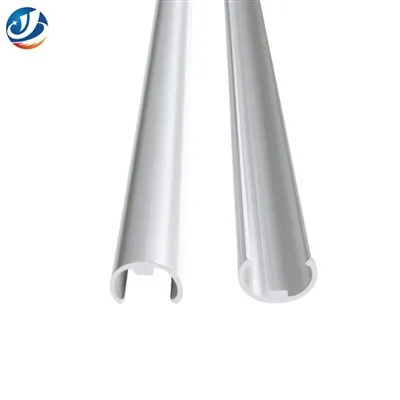
What is the Thermal Conductivity of Formwork Aluminium Beams?
As a supplier of Formwork Aluminium Beams, I often encounter inquiries about the properties of our products, and one question that comes up frequently is about the thermal conductivity of formwork aluminium beams. In this blog post, I'll delve into the concept of thermal conductivity, explain its significance for formwork aluminium beams, and provide some insights based on my experience in the industry.
Understanding Thermal Conductivity
Thermal conductivity is a measure of a material's ability to conduct heat. It is defined as the quantity of heat (in watts) that passes through a unit area (in square meters) of a material per unit thickness (in meters) per unit temperature difference (in Kelvin) across the material. The SI unit for thermal conductivity is watts per meter-kelvin (W/(m·K)).
Materials with high thermal conductivity can transfer heat quickly, while those with low thermal conductivity are better insulators and resist heat transfer. For example, metals like copper and aluminium generally have high thermal conductivities, which means they can efficiently conduct heat. On the other hand, materials such as wood and plastic have lower thermal conductivities and are often used for insulation purposes.
Thermal Conductivity of Aluminium
Aluminium is a metal known for its relatively high thermal conductivity. The thermal conductivity of pure aluminium is approximately 237 W/(m·K) at room temperature. However, when aluminium is alloyed with other elements to form different types of aluminium alloys, the thermal conductivity can vary.
Most formwork aluminium beams are made from aluminium alloys, which are engineered to have specific properties such as strength, durability, and corrosion resistance. The presence of alloying elements can slightly reduce the thermal conductivity of the aluminium. For common aluminium alloys used in formwork applications, the thermal conductivity typically ranges from about 150 to 230 W/(m·K).


Significance of Thermal Conductivity for Formwork Aluminium Beams
The thermal conductivity of formwork aluminium beams has several implications in construction applications:
Heat Transfer During Concrete Curing
When concrete is poured into formwork, it generates heat as it cures through a chemical process called hydration. The high thermal conductivity of aluminium formwork beams allows this heat to be dissipated more efficiently compared to other materials. This can help in preventing overheating of the concrete, which can lead to cracking and reduced strength. By facilitating heat transfer, aluminium formwork can contribute to the overall quality of the concrete structure.
Temperature Changes in Different Environments
In construction projects, formwork is often exposed to varying environmental conditions. Aluminium's good thermal conductivity means that the formwork can quickly adapt to temperature changes. This can be beneficial in regions with large temperature fluctuations, as it helps to minimize thermal stress on the formwork and the concrete.
Energy Efficiency Considerations
In some cases, the thermal conductivity of formwork can also impact energy consumption during construction. For example, in cold climates, the ability of aluminium formwork to conduct heat can help in reducing the energy required for heating the concrete to ensure proper curing. Conversely, in hot climates, the efficient heat dissipation can reduce the need for cooling measures.
Factors Affecting the Thermal Conductivity of Formwork Aluminium Beams
Several factors can influence the thermal conductivity of formwork aluminium beams:
Alloy Composition
As mentioned earlier, the type and amount of alloying elements in the aluminium alloy can affect its thermal conductivity. Different alloys are designed to meet specific requirements, and the addition of elements such as copper, magnesium, and silicon can slightly alter the thermal properties of the material.
Surface Finish
The surface finish of the formwork aluminium beams can also play a role in heat transfer. A smooth surface finish can enhance the contact between the formwork and the concrete, improving heat conduction. On the other hand, a rough or coated surface may introduce an additional thermal resistance and reduce the overall heat transfer rate.
Structural Design
The design of the formwork aluminium beams, including their shape and cross-sectional area, can impact thermal conductivity. Beams with larger cross-sectional areas generally have a higher heat transfer capacity. Additionally, the presence of voids or cavities in the beam design can affect the flow of heat through the material.
Comparison with Other Formwork Materials
To better understand the significance of the thermal conductivity of formwork aluminium beams, let's compare them with other common formwork materials:
Wood Formwork
Wood has a much lower thermal conductivity compared to aluminium, typically ranging from about 0.1 to 0.2 W/(m·K). While this makes wood a good insulator, it can also lead to slower heat dissipation during concrete curing. As a result, wood formwork may require additional measures to control the temperature of the concrete, such as external heating or cooling systems.
Plastic Formwork
Plastic formwork materials also have relatively low thermal conductivities, similar to wood. They can provide some insulation but may not be as effective as aluminium in transferring heat. Plastic formwork may be more suitable for applications where weight and ease of handling are the primary concerns, rather than heat transfer.
Our Product Offerings
At our company, we offer a wide range of high - quality formwork aluminium beams. Our beams are made from carefully selected aluminium alloys that strike a balance between strength, durability, and thermal conductivity. We understand the importance of providing formwork solutions that can meet the diverse needs of our customers in different construction projects.
In addition to formwork aluminium beams, we also supply related products such as Aluminum T Track Extrusion, Aluminium Rail Track, and Aluminium Track Extrusions. These products are designed to work seamlessly with our formwork systems, providing comprehensive solutions for your construction needs.
Contact Us for Procurement
If you are involved in a construction project and are considering using formwork aluminium beams, we would be delighted to discuss your requirements. Our team of experts can provide detailed information about the thermal conductivity and other properties of our products, as well as offer guidance on the best formwork solutions for your specific application.
Whether you need a small quantity for a residential project or a large - scale supply for a commercial development, we have the capacity to meet your demands. Contact us today to start the procurement process and take advantage of our high - quality formwork products.
References
- Incropera, F. P., DeWitt, D. P., Bergman, T. L., & Lavine, A. S. (2007). Fundamentals of Heat and Mass Transfer. John Wiley & Sons.
- ASM Handbook Committee. (2000). ASM Handbook, Volume 2: Properties and Selection: Nonferrous Alloys and Special - Purpose Materials. ASM International.