Material Grade and Alloy:
Aluminum T-slots are typically made from alloys in the 6000 series, such as 6061 or 6063. These alloys offer a good balance of strength, corrosion resistance, and machinability.
The temper designation (e.g., T3-T8) also affects the strength of the aluminum.
Thickness and Length:
Generally, thicker T-slots can hold more weight than thinner ones, as they have greater cross-sectional area and thus higher bending strength.
The length of the T-slot may also affect its load-bearing capacity, as longer slots may require additional support to prevent sagging or bending under load.
Surface Treatment:
Anodizing, powder coating, or other surface treatments can enhance the corrosion resistance and aesthetics of the aluminum T-slot, but they may not significantly affect its load-bearing capacity.
Design and Application:
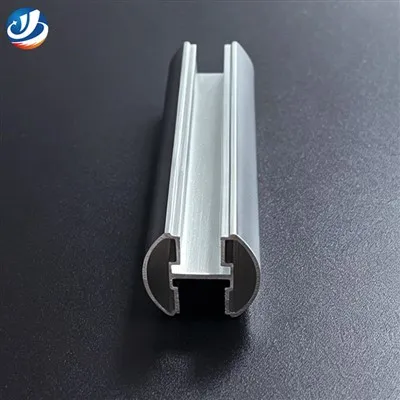
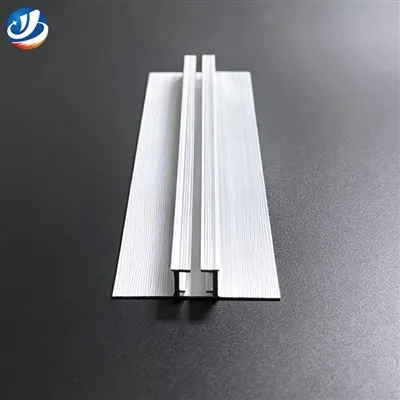
The design of the T-slot, including its shape, size, and any reinforcing features, will affect its ability to hold weight.
The application of the T-slot (e.g., as a structural member in a frame, as a support for equipment, etc.) will also determine the loads it will be subjected to and thus its required strength.
Manufacturing and Quality Control:
The quality of the manufacturing process, including the precision of the extrusion and any subsequent machining or assembly steps, will affect the overall strength and reliability of the T-slot.
Quality control measures, such as inspection and testing, can ensure that the T-slots meet the specified strength and performance requirements.