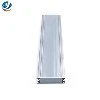
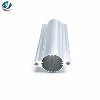
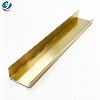
Aluminum properties
High coefficient of thermal expansion: it is necessary to choose flexible adhesives (such as polyurethanes) or reserve expansion joints (1~2mm per 3 meters).
Low surface energy: Smooth aluminum needs to be sanded (120 mesh sandpaper) or chemically etched (e.g. sodium hydroxide solution) to increase adhesion.
Surface treatment
Mechanical treatment: Use a vacuum cleaner to remove debris after sanding to avoid grease residue.
Chemical cleaning: Acidic detergent (pH=2~3, containing malic acid) is allowed to stand for 30 seconds after coating, and the adhesion rate needs to reach more than 30%.
Glue process
Coverage: The "Z" type gluing path is used to ensure that more than 80% of the area is covered with the binder (Alcoa Supplier Case, 2025).
Thickness control: the thickness of the adhesive layer is 2~4mm, too thin and easy to crack, and too thick is high in curing shrinkage.
Curing conditions
Temperature: Epoxy adhesive needs 15~25 °C environment, PU glue can be cured at low temperature (more than 5 °C).
Time: 24 hours for epoxy glue, 8 hours for PU glue (need to be pressurized and fixed to the surface dry).
Edge processing
Edge trim: aluminium or PVC, cover the seams and apply a sealant (e.g. silicone).
Thermal expansion compensation: Reserve 1~2mm gap every 3 meters on the long side and fill elastic foam strips.
Composite metal tiles
Structure: aluminum-zinc steel plate gravel coating acrylic film
Advantages: light weight (2.8kg/piece), wind pressure resistance.
Automatic pre-coating production line
Process: High-speed roller coating of fluorocarbon paint layer (such as Guangdong Litong Aluminum) to improve the bonding strength of aluminum substrate and tile adhesive
Adhesion test: Use a tensimeter (e.g., PosiTector Pull-Off) to test, and the breaking strength needs to be ≥ 1.5MPa.
Durability verification: Simulate hot and cold cycles (-20°C~60°C) to observe whether there is debonding or cracking.