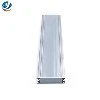
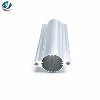
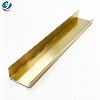
Definition of Aluminum Extrusion Process:
Aluminum extrusion (or aluminum extrusion molding) is a plastic processing method in which a billet of aluminum is subjected to strong pressure in a die cavity (or extrusion cylinder), forcing the aluminum billet to undergo directional plastic deformation and be extruded through the die opening, thereby obtaining parts or semi-finished products with the desired cross-sectional shape, dimensions, and certain mechanical properties.
Aluminum Extrusion Dies:
For product design engineers, although we do not design aluminum extrusion dies ourselves, understanding the basic structure of extrusion dies and the mechanisms by which they shape different extrusion profiles can help in optimizing the design of extruded parts, reducing die costs, and improving production efficiency.
2.1 What is an extrusion die?
An extrusion die is basically a thick, round steel plate containing one or more openings to shape the desired profile. They are usually made of H-13 tool steel and are heat-treated to withstand the pressure and heat of hot aluminum passing through the die.
2.1 Classification of Extrusion Dies
According to the cross-sectional shape of aluminum extrusions, the corresponding dies are divided into three types: solid dies, semi-hollow dies, and hollow dies. Among them, hollow dies have the most complex structure, are prone to wear and breakage, and are also the most expensive.
2.3 Lifespan of Extrusion Dies
Heat buildup and uneven pressure caused by the design of aluminum extrusion parts (such as thin walls, uneven wall thicknesses, and protruding features) are the biggest killers of extrusion die lifespan.
Experienced extrusion die engineers can design dies to control heat and uneven pressure, and reduce extrusion speeds to extend die life, but ultimately the dies must be replaced.
Before designing aluminum extrusion parts, product structural design engineers should understand which design features most significantly affect die manufacturing costs. Where possible, modifying the design of the aluminum extrusion cross-section, setting appropriate tolerances, and selecting suitable aluminum alloys can save on the manufacturing costs of aluminum extrusion dies.
Advantages of Aluminum Extrusion Process
1) Durability
One of the most notable advantages of aluminum is its resistance to corrosion and weathering. Aluminum naturally resists rust and corrosion without any additional treatment. This is due to a thin, naturally formed aluminum oxide protective layer on its surface. Anodizing can further enhance its corrosion resistance.
2) Lightweight and Strong
Aluminum is more than 33% lighter than steel while retaining most of its strength. The tensile strength of most aluminum alloys ranges from about 70 to 700 MPa, while its density is roughly two-thirds that of steel.
Product design engineers don't have to worry about the strength of aluminum extrusion parts. In industries such as construction and automotive, they can be used as structural components and are often the best alternative to other metal materials. To achieve lightweight designs and reduce energy consumption, the automotive industry is extensively using aluminum alloys.
3) Good thermal conductivity
Aluminum's thermal conductivity is very similar to copper, but it is much lighter in weight.
Aluminum is an excellent conductor of heat, and aluminum extrusion profiles can be designed to maximize the heat-conducting surface area and form heat channels. A typical example is computer CPU coolers, where aluminum is used to carry heat away from the CPU.
4) Stylish Appearance
Extruded aluminum can be painted, electroplated, polished, and anodized, providing engineers with a wider range of appearance options than other materials.
5) Wide Range of Applications
Almost any cross-sectional shape can be formed through aluminum extrusion, so the applications of aluminum extrusion are very broad. Engineers can design different profiles to meet the requirements of various application environments.
6) Easy Secondary Processing
Aluminum extrusions can be easily shaped, cut, drilled, machined, stamped, bent, and welded to meet specific purposes.
7) Short Mold Processing Cycle and Low Cost
Aluminum extrusion molds are simple, with a short processing cycle and low cost. This is AEC's comparison of aluminum extrusion with other processes, for reference only.
8) Absorbing Impact and Deformation
In buildings, aluminum extrusions can resist deformation caused by weather and structural movement. In transportation vehicles, they can absorb impact energy. Aluminum extrusions maintain strength and flexibility under load and rebound from impacts.