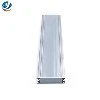
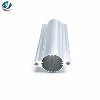
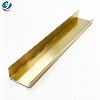
The term "raw aluminum" commonly referred to in the industry is "casting aluminum alloy", which primarily consists of aluminum-silicon, or may include some additional alloying elements, used for casting and forming, meaning the products are castings. Most aluminum products with a rough surface are made from raw aluminum. Raw aluminum is not pure aluminum; like pig iron, it can break easily when struck hard.
(worked aluminum) refers to "deformed aluminum alloys," which are classified internationally into seven alloy series: Series 1 - pure aluminum, Series 2 - aluminum-copper, Series 3 - aluminum-manganese, Series 4 - aluminum-silicon, Series 5 - aluminum-magnesium, Series 6 - aluminum-magnesium-silicon, Series 7 - aluminum-zinc-magnesium. Products such as aluminum tubes, aluminum bars, aluminum profiles, aluminum wires, aluminum plates, and aluminum foils all fall under the category of deformed aluminum alloys. They include both pure aluminum and aluminum alloys after processing and shaping. "Alloy" is not a separate category, as aluminum products include both pure aluminum and aluminum alloy products. "Raw aluminum" and "worked aluminum" are now referred to as "cast aluminum" and "deformed aluminum." The term "scrap aluminum" refers to various aluminum materials that are discarded after use and enter the market. The aluminum scrap in the market can be classified based on "raw aluminum" (which is high in silicon) and "worked aluminum," but it is important to strictly use alloy components in classifications.