

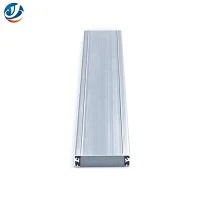
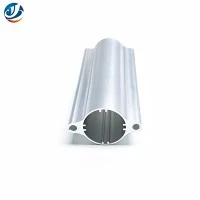


Formwork Aluminium Beams

Formwork Aluminum Beams can be recycled multiple times; when the old formwork system is renovated into a new project, only 20-30% of the non-standard components need to be replaced, significantly reducing the overall project investment. After the formwork is removed, there will be less construction waste at the construction site.
Technical Parameter
|
Chemical Composition of Aluminum Extrusion Profiles |
|||||
|
Alloy |
6063 |
6061 |
6060 |
6005 |
|
|
Si |
0.2-0.6 |
0.4-0.8 |
0-0.6 |
0-0.9 |
|
|
Mg |
0.45-0.9 |
0.8-1.2 |
0.35-0.6 |
0.4-0.6 |
|
|
Fe |
<0.35 |
<0.7 |
0.1-0.3 |
0.35 |
|
|
Cu |
<0.1 |
0.15-0.4 |
≤0.1 |
0.1 |
|
|
Mn |
<0.1 |
<0.15 |
≤0.1 |
0.1 |
|
|
Zn |
<0.1 |
<0.25 |
≤0.15 |
0.1 |
|
|
Cr |
<0.1 |
0.04-0.35 |
≤0.05 |
0.1 |
|
|
Ti |
<0.1 |
<0.15 |
<0.1 |
0.1 |
|
|
Impurity |
Unit |
<0.05 |
<0.05 |
<0.05 |
<0.05 |
|
Total |
<0.15 |
<0.15 |
<0.15 |
<0.15 |
|
|
Al |
Remainder |
Remainder |
Remainder |
Remainder |
|
|
Technical Data of Aluminum Extrusion Profiles |
||||||
|
Alloy |
Temper |
Thickness |
Tensile |
Yield |
Vickers |
Webster |
|
Strength |
Strength |
Hardness |
Hardness |
|||
|
6005 |
T6 |
≤5 |
≥270MP |
≥225MP |
|
|
|
T6 |
5<e≤10 |
≥260MP |
≥215MP |
|
|
|
|
T6 |
10<e≤25 |
≥250MP |
≥200MP |
|
|
|
|
6060 |
T6 |
≤3 |
≥190MP |
≥150MP |
|
|
|
T6 |
3<e≤25 |
≥170MP |
≥140MP |
|
|
|
|
6061 |
T6 |
|
≥265MP |
≥245MP |
HV≥58 |
HW≥8 |
|
6063 |
T5 |
|
≥160MP |
≥110MP |
HV≥58 |
HW≥8 |
|
T6 |
|
≥205MP |
≥180MP |
HV≥58 |
HW≥8 |
|

1
Made of 6005-T6, 6061-T6 industrial grade aluminum alloy material, lighter weight and better load-bearing performance. It is easy to carry and install on site, significantly reducing construction labor costs.
2
Using industrial anodizing surface technology, it can effectively resist cement corrosion, site moisture and outdoor weathering, and will not rust or deform.
3
Formwork Aluminum Beams are one-piece extrusion molding with uniform wall thickness, reasonable cavity structure, strong overall rigidity, and excellent load-bearing stability.
4
High tensile strength and yield strength, stable load-bearing performance, not easy to deform or bend under long-term pressure, and high structural safety.
Application scenarios


Residential high-rise buildings: standard layer construction of high-rises, apartments, relocation houses, etc., which can be turned over repeatedly, reducing batch construction costs, and the concrete forming effect is good.
Commercial buildings: large-scale projects such as office buildings, hotels, shopping malls, etc., suitable for large-span, special-shaped structures, with sufficient construction space and high efficiency.
Municipal infrastructure projects: urban supporting facilities, small roads and bridges and other outdoor projects, resistant to corrosion and weathering, and suitable for open-air construction environments.
Prefabricated building: modular building, prefabricated component pouring support, easy disassembly and assembly, no damage to components, and meets the requirements of green construction.
Special humid working conditions: High humidity, high salt spray environments such as coastal areas, basements, kitchens and bathrooms, etc., effectively prevent moisture and corrosion, avoid rust and mold problems, and have a longer service life.
Old house renovation and renovation projects: lightweight profiles do not require large hoisting equipment and can be transported and assembled manually. They are suitable for restricted construction scenarios such as renovation of old communities, building additions, and partial structural renovations, and are suitable for construction environments in small sites and without tower cranes.
Product process

1. Inspection of raw materials entering the factory: Check the aluminum rod grades (6005-T6, 6061-T6, etc.), sample chemical composition and basic mechanical properties, prevent substandard raw materials from being put into production, and ensure product base material quality from the source.
2. Dimensional inspection of extrusion molding: After the profiles are formed, the section wall thickness, straightness, length, and flatness are tested batch by batch. The dimensional errors are strictly controlled within the allowable tolerance range of the project to ensure that the assembly fits, without gaps, and without shaking.
3. Surface process quality inspection: After anodizing, check the thickness and uniformity of the oxide film, and check the appearance for scratches, bumps, color differences, bubbles and other defects to ensure that the corrosion resistance and wear resistance of the profile meet the standards, and the appearance is clean and uniform.
4. Sampling inspection of mechanical properties: Each batch is sampled for tensile, yield strength and load-bearing compression tests to verify the structural rigidity and load-bearing stability, eliminate long-term pressure deformation and fracture risks, and meet the load-bearing standards of building construction.
5. Finished product assembly test: Random sampling is carried out to simulate assembly testing to check the fit, splicing accuracy and overall stability of the profiles and supporting accessories to ensure smooth on-site installation and universal fit.
6. Final factory inspection and traceability: Conduct a comprehensive re-inspection of all products before shipment, check batch information, quality inspection records and certificates, strictly implement sampling standards, and label qualified products into the warehouse.
Hot Tags: formwork aluminium beams, China formwork aluminium beams manufacturers, suppliers, factory, aluminium glass frame profile, Aluminium Formwork Accessories, aluminum profile for solar panel, Formwork Aluminium Beams, aluminum window and door frame profile, aluminum profile frame
You Might Also Like



Send Inquiry