Hey there! As a supplier of Extruded Aluminium T Slot, I'm super stoked to dive into the topic of what the machinability of extruded aluminium T slot is all about.
First off, let's talk a bit about what extruded aluminium T slot is. Extruded T Slot Aluminum is a type of aluminium profile that's been through an extrusion process. This process gives it a unique shape with T - shaped slots running along its length. You can check out more about it Extruded T Slot Aluminum. These T - slots are super useful as they allow for easy connection and assembly of various components. Whether you're building a machine frame, a workbench, or a display stand, the Aluminium T Slot Profile Aluminium T Slot Profile provides a versatile solution.
Now, onto the machinability. Machinability refers to how easily a material can be cut, shaped, and finished using machining processes. When it comes to extruded aluminium T slot, it has some pretty awesome machinability characteristics.
One of the big advantages of extruded aluminium T slot in terms of machinability is its relatively low hardness. Aluminium is a soft metal compared to some others like steel. This means that when you're using cutting tools such as drills, end mills, or saws, they don't have to work as hard to remove material. You can achieve clean cuts with less force, which reduces wear and tear on your tools. For example, if you're drilling holes in the T - slot profile for mounting purposes, the drill bit will glide through the aluminium more easily than it would through a harder material. This not only saves time but also extends the lifespan of your cutting tools.
Another great thing about the machinability of extruded aluminium T slot is its good chip formation. During machining, chips are produced as the material is removed. With aluminium, the chips tend to break into small, manageable pieces. This is crucial because long, stringy chips can cause all sorts of problems. They can get tangled in the cutting tool, interfere with the machining process, and even pose a safety hazard. The small, broken chips from aluminium T slot are much easier to handle. They can be easily removed from the machining area, keeping the workspace clean and the machining operation running smoothly.
The surface finish that can be achieved on extruded aluminium T slot is also quite impressive. After machining, the surface of the aluminium profile can be made very smooth. This is important for applications where aesthetics matter, like in display cases or consumer products. Even in industrial applications, a smooth surface finish can reduce friction and improve the performance of components that come into contact with the T - slot profile. You can use different machining techniques such as milling or turning to achieve the desired surface finish, and with aluminium, it's relatively easy to get a high - quality result.
Let's also touch on the heat generation during machining. When you're cutting or shaping a material, heat is generated due to the friction between the cutting tool and the workpiece. Aluminium has good thermal conductivity, which means it can dissipate heat quickly. This is a huge advantage because excessive heat can cause problems like tool wear, material deformation, and changes in the material's properties. With extruded aluminium T slot, the heat is spread out more evenly and dissipated faster, reducing the risk of these issues. So, you can machine the profile at higher speeds and feeds without having to worry too much about overheating.
Now, there are a few things to keep in mind when machining extruded aluminium T slot. One is the choice of cutting tools. You need to use tools that are specifically designed for aluminium machining. High - speed steel (HSS) tools can work well for light machining operations, but for more heavy - duty or high - precision work, carbide tools are often a better choice. Carbide tools are harder and more wear - resistant, which is important when you're dealing with a large volume of machining or need to achieve tight tolerances.
The cutting parameters also play a crucial role. You need to select the right cutting speed, feed rate, and depth of cut. If you set the cutting speed too high, the tool can overheat and wear out quickly. On the other hand, if the feed rate is too low, the machining process will be slow and inefficient. It's all about finding the right balance. There are some general guidelines available for machining aluminium, but it's always a good idea to do some test cuts to fine - tune the parameters for your specific application.

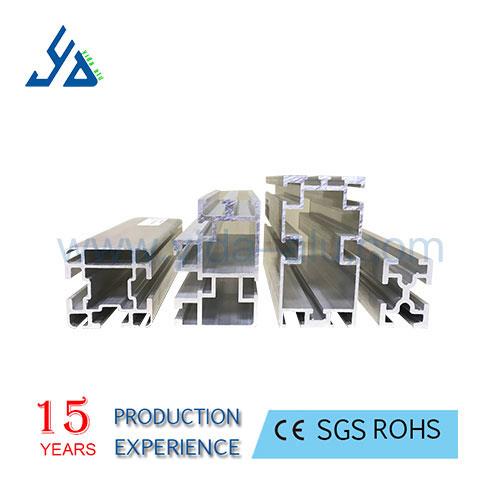
In addition to the standard machining processes like drilling, milling, and turning, extruded aluminium T slot can also be easily joined. You can use techniques such as welding, brazing, or mechanical fastening. Welding aluminium requires some special skills and equipment, but it can create a strong, permanent joint. Brazing is another option that can provide a reliable bond with less heat input. Mechanical fastening, like using bolts and nuts, is the simplest and most common way to join T - slot profiles. The T - slots themselves are designed to make it easy to insert and secure fasteners, allowing for quick and easy assembly.
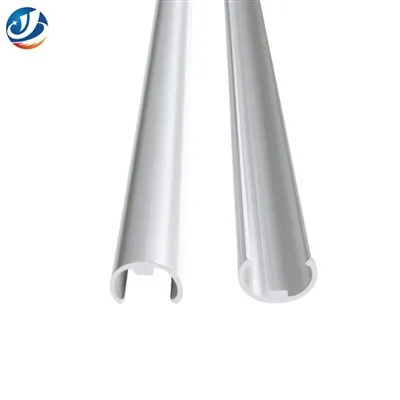
If you're looking for a more specialized type of extruded aluminium T slot, there's also the Triangular V - shaped Linear Cabinet Aluminum Triangular V - shaped Linear Cabinet Aluminum. This profile has a unique shape that offers additional functionality. It can be used in applications where a different type of support or connection is required, such as in some types of linear motion systems or custom cabinetry.
So, whether you're a DIY enthusiast looking to build a small project or an industrial manufacturer in need of high - quality aluminium profiles, the machinability of extruded aluminium T slot makes it a great choice. It offers ease of machining, good chip formation, excellent surface finish, and efficient heat dissipation. With the right tools and cutting parameters, you can achieve great results with this versatile material.
If you're interested in purchasing extruded aluminium T slot for your next project, don't hesitate to get in touch. We have a wide range of profiles available in different sizes and shapes to meet your specific needs. Just reach out to us, and we'll be happy to discuss your requirements and help you find the perfect solution.
References
- "Machining of Aluminium Alloys" - A technical guide on the machining properties of aluminium.
- Industry research reports on extruded aluminium profiles and their applications.